To Buy, or Not to Buy?
In an age of endless choice, aggressive marketing and easy credit, knowing what we actually need may be one of the most important financial skills.
 City Air News
Sep 23, 2026 08:00
0
City Air News
Sep 23, 2026 08:00
0
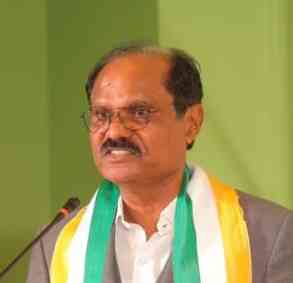
By Dr D. S. Kate
To be, or not to be, that is the question, wrote William Shakespeare in Hamlet. The original words belong to an entirely different human dilemma, but they offer an interesting metaphor for modern consumer life. To buy, or not to buy? Consumers face this question almost every day. Markets are overflowing with products, services and technologies. Walk through a shopping mall and thousands of products compete for attention. Travel along a highway and showrooms display rows of cars, motorcycles, tractors and equipment. Open a smartphone and another marketplace immediately appears.
Production has expanded enormously. So has the science of selling. Companies study consumer behaviour, invest heavily in advertising and constantly search for ways to retain customers. Packaging, discounts, attractive displays, celebrity endorsements and digital promotions are designed to turn attention into desire and desire into purchase.
There is nothing inherently wrong with this process. Production and consumption are fundamental to economic activity. Adam Smith famously wrote that “consumption is the sole end and purpose of all production.” The problem begins when consumption loses its connection with actual need and purchasing capacity.
India’s vast population also makes it one of the world’s largest consumer markets. A substantial section consists of middle- and lower-income households for whom food, household essentials and other everyday expenses take up a significant share of income. This enormous consumer base naturally attracts producers, retailers and marketers, who continuously develop products for different income groups and aspirations.
Consider ordinary household products. Soap, shampoo, detergent, cleaning products, cosmetics and packaged foods are available in countless brands and variants. Technology creates another cycle. A perfectly functional phone suddenly appears outdated because a newer model has arrived.
The consumer is continuously presented with another reason to buy. Easy credit has made that decision even easier. Cars, appliances, electronics and numerous lifestyle products can be purchased through loans and EMIs. The immediate price appears manageable because the consumer sees a relatively small monthly instalment rather than the complete financial commitment.
The real test begins later, when several such commitments start competing with essential household expenses. Consumer psychology also plays an important role. Products displayed attractively in a showroom or repeatedly presented on a screen create desire. Sometimes the purchase is influenced by comparison with a neighbour, colleague or relative. Ownership itself becomes a statement of status.
This is where a simple economic question becomes valuable: “Do I really need this?” Consumption certainly supports economic growth. Excessive consumption, however, can damage household finances and generate enormous material waste. Products bought impulsively may remain unused before eventually being discarded. Their production has already consumed raw materials, energy, transportation and human effort.
Responsible consumption therefore has both economic and environmental value. This does not mean people should stop enjoying new products or benefiting from innovation. Technology continues to improve everyday life. Better products save time, increase productivity and provide comfort. Consumers should enjoy these benefits according to their needs and financial capacity.
The challenge is to distinguish usefulness from temptation. Before entering a market, physical or digital, it helps to decide what you actually intend to purchase. Before taking an EMI, calculate the total financial commitment rather than looking only at the monthly figure. Before replacing a functioning product, ask what additional value the new one will genuinely provide.
Markets will continue producing. Companies will continue advertising. Technology will continue creating attractive alternatives. That is how a modern economy functions. The final decision, however, remains with the consumer. Perhaps Shakespeare’s famous question can acquire a small economic variation for our times. “To buy, or not to buy?” Before reaching for the wallet, the answer should come from need, utility and affordability.
…
Dr D S Kate is an engineer, economic analyst and Founder, DS Kate Group of Industries, Aurangabad. Views expressed are personal.