Engineers, Infrastructure and Public Trust
Engineers’ Day celebrates a profession that builds nations. India’s rapid infrastructure expansion now brings another responsibility: ensuring quality, durability, accountability and public confidence in what we build.
 City Air News
Sep 15, 2026 04:05
0
City Air News
Sep 15, 2026 04:05
0
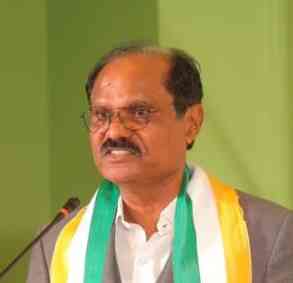
By Dr D. S. Kate
Every year, 15 September is observed as Engineers’ Day to commemorate the birth anniversary of Sir M. Visvesvaraya, one of the country’s most distinguished engineers. His life represented technical excellence, discipline and commitment to public service. Visvesvaraya belonged to an era when engineering was closely associated with nation-building. His contribution to irrigation, water management, infrastructure and administration established an enduring benchmark for the profession.
His working life also carried an important message: an engineer’s responsibility extends beyond drawings, calculations and construction sites. The ultimate responsibility is towards society. That message deserves renewed attention today. India is witnessing one of the most significant phases of infrastructure creation in its history. Expressways, bridges, airports, railway networks, urban transport systems, tunnels and public utilities are being developed across the country. Engineers are central to this transformation.
Rapid expansion, however, brings greater responsibility. Reports of damaged roads, cracks, waterlogging, structural failures and premature deterioration of newly created facilities naturally raise public concern. Every such incident also affects the reputation of engineers, even though an infrastructure project involves a much larger chain of decision-making.
An engineer rarely works in isolation. Government departments, consultants, contractors, suppliers, administrators, financial authorities and political decision-makers may all influence a public project. Quality depends on proper design, suitable materials, realistic deadlines, professional supervision and strict adherence to specifications. When any part of this chain weakens, the final structure can suffer.
Cost pressures are another concern. Competitive bidding is necessary in public procurement, but an excessive focus on the lowest price can create problems if quality and long-term performance receive insufficient weight. Unrealistic deadlines can create similar risks. Large projects require adequate time for surveys, design, testing, construction and quality control.
There is also the difficult question of corruption. Infrastructure involves enormous public expenditure and multiple layers of approvals and contracting. Any system that permits commissions, compromised materials or improper influence ultimately damages the project as well as the credibility of the professionals associated with it.
Engineers working within such systems can face considerable pressure. Yet professional ethics cannot become secondary. An engineer has technical knowledge that administrators, contractors or political authorities may not possess. That knowledge creates a special responsibility to flag unsafe practices and protect engineering standards.
Public infrastructure is ultimately built with public money. A road should survive its designed life. A bridge should inspire confidence. A drainage system should work when heavy rain arrives. A public building should remain safe for decades. Quality must therefore be judged by performance over time rather than by the grandeur of an inauguration.
India’s infrastructure ambitions will continue to grow. Climate change, extreme rainfall, expanding cities and heavier traffic will make engineering challenges even more demanding. Future infrastructure will have to be stronger, better planned and more adaptable. Engineers will remain at the heart of this journey.
On Engineers’ Day, remembering Sir M. Visvesvaraya should mean more than paying tribute to a legendary engineer. His legacy should encourage today’s professionals, institutions and policymakers to restore quality and durability to the centre of infrastructure development.
When a structure fails, society often sees the engineer first. Responsibility, however, travels through the entire system that planned, approved, financed and executed it. India needs faster development. It also needs infrastructure that lasts. That would perhaps be the most meaningful Engineers’ Day tribute to a man whose engineering continues to inspire the nation.
…
Dr D S Kate is an engineer, economic analyst, and Founder, DS Kate Group of Industries, Aurangabad. Views expressed are personal.