CPR Skills Should Reach Every Citizen: Dr Mayanka Batra
The first few minutes of a cardiac emergency can be critical. Prompt CPR and basic life support by a bystander can help sustain a person until professional medical assistance arrives. Under the ‘Dil Se Dosti’ campaign, efforts are being made to equip the public with basic life-saving skills.
 City Air News
Sep 18, 2026 04:22
0
City Air News
Sep 18, 2026 04:22
0
By Girish Saini
Rohtak, September 18, 2026. The first few minutes of a cardiac emergency can be critical. Prompt CPR and basic life support by a bystander can help sustain a person until professional medical assistance arrives. Under the ‘Dil Se Dosti’ campaign, efforts are being made to equip the public with basic life-saving skills.
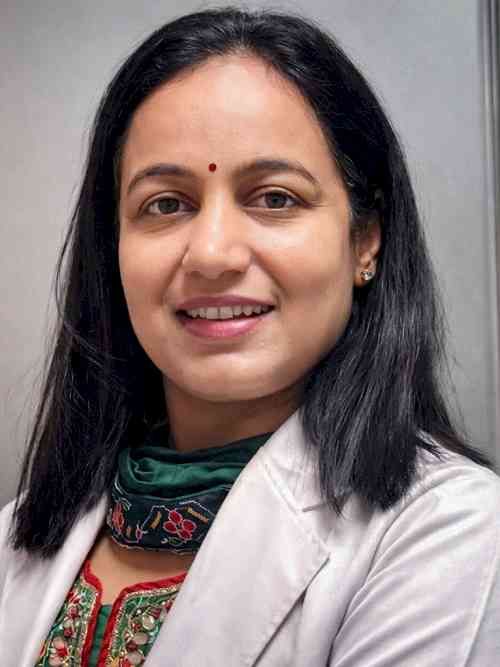
Dr Mayanka Batra, Haryana State Ambassador for the pan-India iCare Foundation campaign and wife of late cardiologist Dr Aditya Batra, spoke about expanding CPR training, improving access to automated external defibrillators (AEDs) and promoting heart-healthy lifestyles.
Q: What is the core objective of the ‘Dil Se Dosti’ campaign?
Dr Mayanka Batra: The aim is to prepare ordinary citizens to respond appropriately during a cardiac emergency. Cardiac arrests can occur outside hospitals, and medical help may take time to arrive. Immediate CPR by a bystander can be critical. We want people to respond calmly, recognise the emergency and initiate basic life support when required.
Q: Should CPR and basic life support training be limited to healthcare professionals?
Dr Batra: Certainly not. Basic CPR training should reach school and college students, teachers, parents, offices, industries and social organisations. From teenagers to senior citizens, everyone should have at least basic CPR awareness. The more trained people there are, the greater the chances of timely assistance during an emergency.
Q: What should an effective CPR training programme cover?
Dr Batra: CPR alone is not enough. Training should also cover choking, drowning, seizures and other common emergencies. People should learn to recognise an emergency, call for help promptly, begin CPR when required and use an AED if one is available. In an emergency, a timely and appropriate response can make a crucial difference.
Q: What is your view on making AEDs more accessible in public places?
Dr Batra: AEDs should be made more accessible at crowded public places such as railway stations, bus stands, malls, stadiums, universities, large offices and industrial establishments. Merely installing the machines is not enough. Security personnel and other staff should receive hands-on training so they know where an AED is located and how to use it when needed.
Q: How can CPR training be expanded on a larger scale?
Dr Batra: Short, practical and certificate-based programmes should be conducted regularly in schools, colleges, universities, workplaces and social organisations. Training should include hands-on practice using mannequins rather than being limited to lectures. Refresher training is also important to ensure that people retain the skills and use them correctly.
Q: What is your message to young people and the public on heart health?
Dr Batra: A balanced lifestyle is essential for heart health. Get adequate sleep, avoid excessive junk and highly processed foods, stay physically active and take breaks from prolonged sitting. Stress management is also important. Along with maintaining a healthy lifestyle, everyone should make an effort to learn basic CPR and emergency response.
Q: What is the most important message you want to convey through the campaign?
Dr Batra: CPR and basic life support should not remain skills limited to medical professionals. You do not need to be an expert to help in an emergency, but you should know how to recognise the situation and take the right action at the right time. Expanding CPR training and AED access in families, educational institutions, workplaces and public places can strengthen the first response to cardiac emergencies.
“You do not have to be an expert to save a life, but you must know what to do at the right time.”