Two-Day Workshop on Harappan Bead-Making Techniques Concludes at Panjab University
Two-day workshop on Harappan Bead-Making Techniques concluded today at the Department of Ancient Indian History, Culture and Archaeology, Panjab University, Chandigarh.
 City Air News
Mar 3, 2026 08:59
0
City Air News
Mar 3, 2026 08:59
0
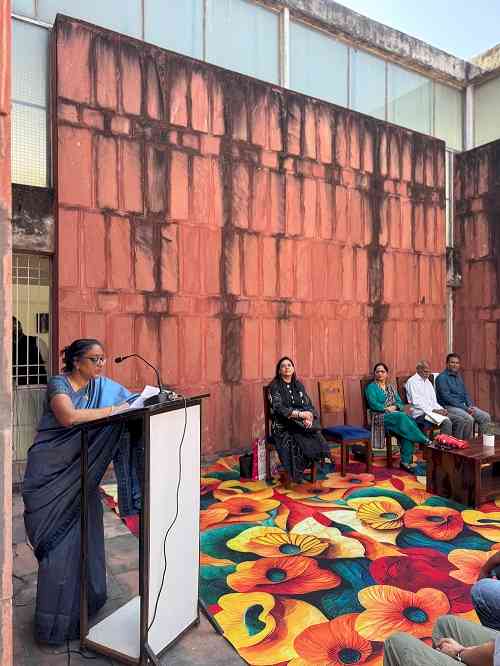
Chandigarh, March 3, 2026: Two-day workshop on Harappan Bead-Making Techniques concluded today at the Department of Ancient Indian History, Culture and Archaeology, Panjab University, Chandigarh.
The workshop witnessed enthusiastic participation from more than 80 participants, including postgraduate students, research scholars, and faculty members, and proved to be academically enriching and technically engaging.
The inaugural session was presided over by Director, Research and Development Cell Prof. Meenakshi Goyal who emphasised the importance of integrating material culture and experimental approaches in historical and archaeological studies.
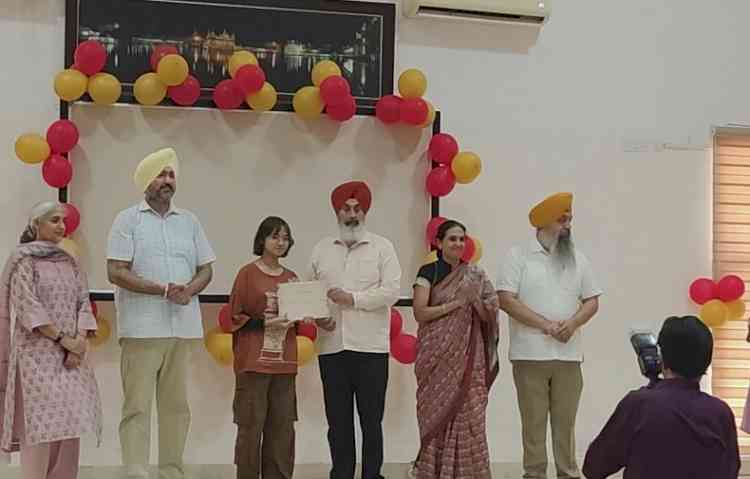
The valedictory session was presided over by Prof. I.D. Gaur, former Professor, Department of Evening Studies, Panjab University, who appreciated the department’s initiative in promoting hands-on learning and technological understanding of ancient crafts.
The workshop featured internationally renowned resource persons who shared their expertise on Harappan craft specialization and technological traditions. Through a combination of lectures and technical demonstrations, participants were introduced to the typology of Harappan beads, raw material procurement, and the broader socio-economic context of bead production in the Harappan Civilisation.
Importantly, the workshop addressed the technological know-how of bead-making, including raw material selection, shaping, grinding, drilling techniques, heat treatment of stones such as carnelian, and final polishing processes. Students gained practical insights into the sequential stages of production and developed a deeper appreciation of the skill, standardisation, and scientific knowledge embedded in Harappan craftsmanship.