RBI likely to pause repo rate as US-Iran weighs on growth, inflation: Report
The Middle East conflict and elevated oil prices will likely lead to the Reserve Bank of India maintaining the policy repo rate unchanged at 5.25 per cent in its April 2026 MPC meeting, a report said on Thursday.
 IANS
Apr 2, 2026 02:10
0
IANS
Apr 2, 2026 02:10
0
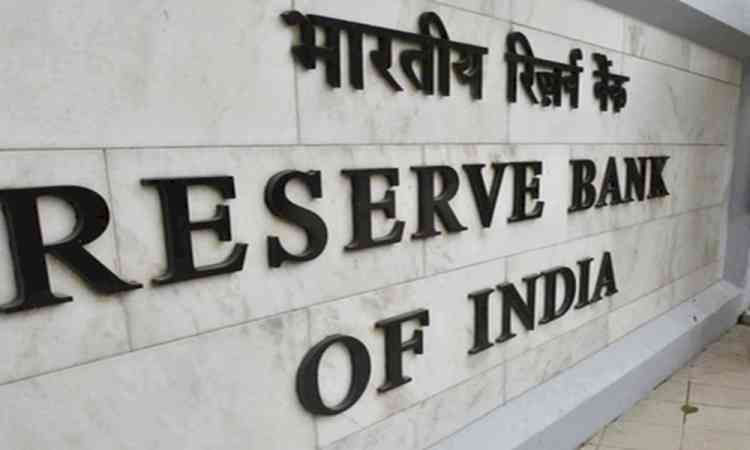
New Delhi, April 2 (IANS) The Middle East conflict and elevated oil prices will likely lead to the Reserve Bank of India maintaining the policy repo rate unchanged at 5.25 per cent in its April 2026 MPC meeting, a report said on Thursday.
The report from Bank of Baroda predicted that the economic landscape has reached the end of the rate cut cycle, and RBI will now remain on a prolonged pause. The central bank will likely maintain a neutral stance and remain vigilant about the evolving situation, it said, adding that targeted measures may be announced to support liquidity and the rupee.
If inflation breaches the upper tolerance band of 6 per cent, the bank said there could be a rate hike towards the end of the year.
"Impact of war on growth and inflation will become clearer in the next 3-4 months. RBI is likely to then take a call on the direction of its rate trajectory," the report said.
Since the last policy meeting, the US‑Iran conflict has disrupted energy supplies with the Strait of Hormuz closed, pushing oil prices above $100 per barrel.
Markets also remained highly volatile and the war has pressurised FPI outflows from India, bond yields and INR to touch record low at 94.83 per USD.
“The impact of war will be felt on global growth and inflation. India is also likely to get impacted and thus RBI may re-work its GDP and inflation forecasts for FY27,” the report said.
In the latest monthly economic bulletin released, CEA has cautioned that the current account deficit too will widen significantly in FY27. The bank projected FY26 GDP growth at 7.6 per cent and FY27 growth to range between 7-7.2 per cent. The bank also cautioned that the current account deficit is likely to widen.
—IANS
aar/pk