PU’s CSDE leads NITI Aayog-backed skill-gap mapping project in Chandigarh
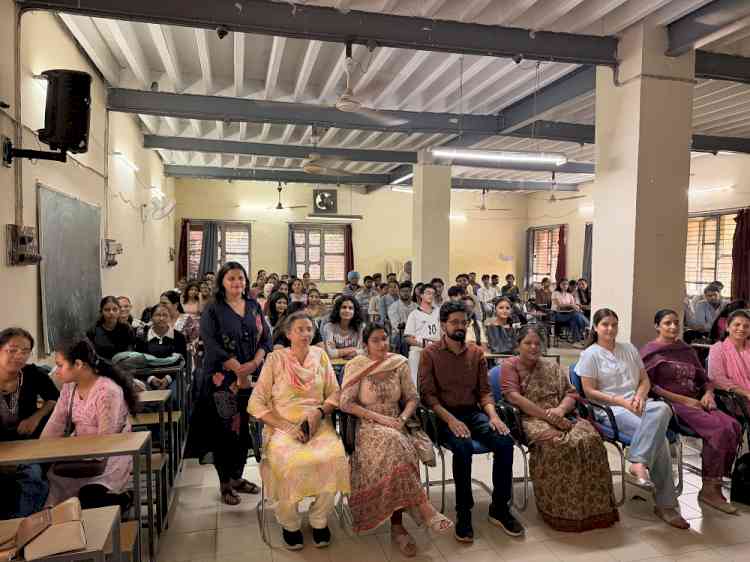
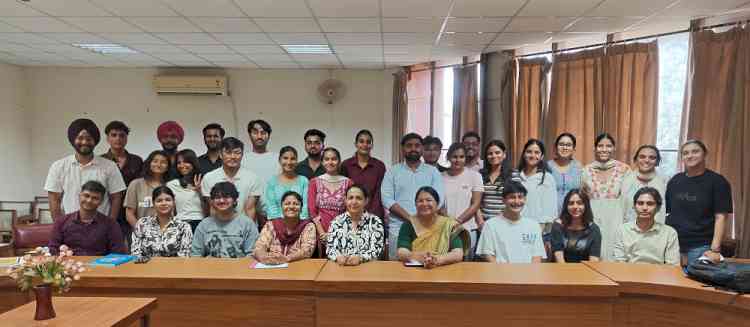
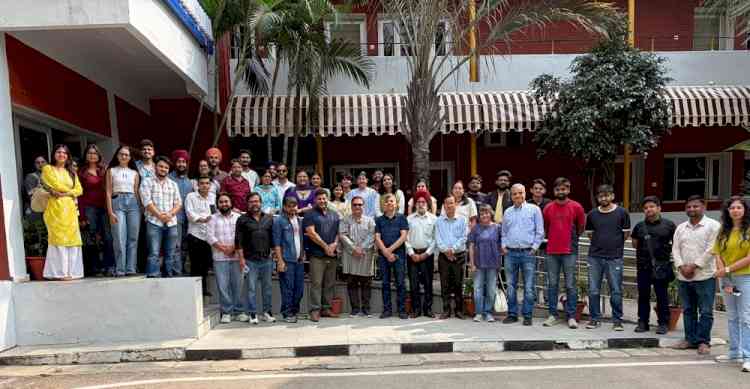
In order to strengthen Chandigarh’s skilling ecosystem, Panjab University (PU) organised a stakeholder consultative workshop on skill-gap mapping.
 City Air News
Feb 3, 2026 01:18
0
City Air News
Feb 3, 2026 01:18
0
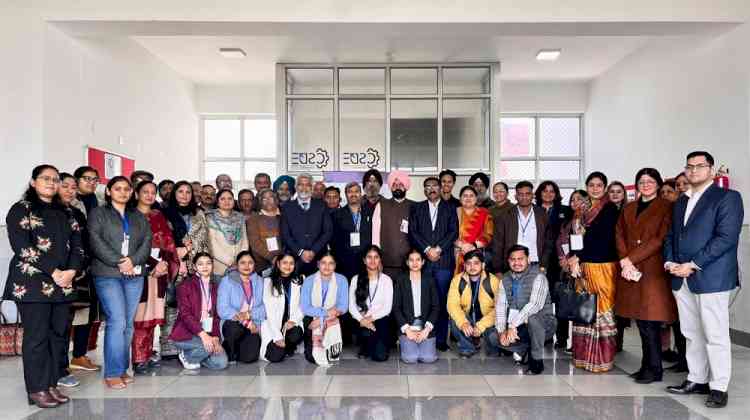
Chandigarh, February 2, 2026: In order to strengthen Chandigarh’s skilling ecosystem, Panjab University (PU) organised a stakeholder consultative workshop on skill-gap mapping.
The workshop was organised by the Centre for Skill Development and Entrepreneurship (CSDE), Panjab University, under a NITI Aayog-supported project being implemented as part of the State Support Mission. The Chandigarh Administration has designated CSDE as the nodal academic and implementation agency for the initiative.
The consultation brought together officials from government departments, industry representatives, faculty members and pass-outs from technical and vocational education and training institutes to validate indicators, refine assessment tools and align skilling efforts with labour market requirements.
The workshop was chaired by UT Finance Secretary, Shri Diprava Lakra, who emphasised the need to align skilling programmes with emerging sectoral growth patterns in the Union Territory.
Delivering the inaugural address, Prof. Meenakshi Goyal, Director, Research and Development Cell, Panjab University, highlighted the importance of evidence-based research, institutional accountability and inter-agency coordination in shaping effective skilling policies.
Prof. Suveera Gill, Principal Investigator and Honorary Director of the project, outlined the roadmap and implementation framework, stating that the findings would inform governance reforms, institutional strengthening and labour market alignment.
A live demonstration of the skill-gap mapping tool was conducted by the project’s technology partner, Mr. Ashish Srivastava, Founder and CEO, Dream Ahead Tech Pvt. Ltd. Deliberations during plenary and breakout sessions focused on ethical data practices, curriculum–industry integration, institutional challenges and priority skill gaps in sectors such as healthcare, banking, hospitality and services.
Participants underlined the need for continuous monitoring and responsive interventions to improve employability outcomes. It was also decided to organise focused capacity-building programmes on soft skills, work ethics and job readiness.
CSDE will now work with the Chandigarh Administration, industry partners and training institutes to translate findings into implementable reforms, including curriculum alignment, institutional capacity strengthening and outcome-linked monitoring.