PGIMS Rohtak implants Haryana’s first leadless pacemaker; Breakthrough cardiac procedure on 66-year-old patient avoids repeat infection risk
In a first for Haryana’s government healthcare sector, PGIMS Rohtak has successfully implanted a leadless pacemaker in a 66-year-old patient whose conventional pacemaker had to be removed following a serious infection. The advanced device eliminates the need for wires and a surgically created pocket under the chest skin, reducing the risk of recurring pocket infections.
 Girish Saini
Oct 16, 2026 09:24
0
Girish Saini
Oct 16, 2026 09:24
0
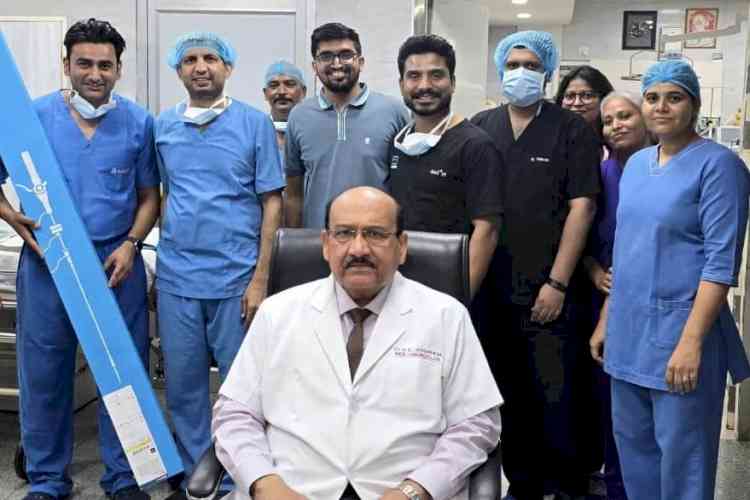
Rohtak, October 16, 2026: In a first for Haryana’s government healthcare sector, PGIMS Rohtak has successfully implanted a leadless pacemaker in a 66-year-old patient whose conventional pacemaker had to be removed following a serious infection. The advanced device eliminates the need for wires and a surgically created pocket under the chest skin, reducing the risk of recurring pocket infections.
The procedure was performed on October 14 by Dr Ashwani, head of the cardiology department. The milestone brings advanced cardiac treatment within the reach of patients at a government institution, without requiring them to seek similar care at expensive private hospitals in Delhi or Gurugram.
Vice-chancellor Dr H.K. Aggarwal congratulated the cardiology team, saying the achievement reflected the growing capabilities of government hospitals under the leadership of Chief Minister Nayab Singh Saini and Health Minister Aarti Rao. He said access to advanced medical technology at PGIMS would help patients who otherwise might have to travel to Delhi or Gurugram for expensive treatment.
The patient, a resident of Ranchi, Jharkhand, had been diagnosed with sick sinus syndrome and received a conventional pacemaker on July 11. He later developed a severe infection in the pocket housing the device and presented to PGIMS on October 7 with a persistent fever. A PET-CT scan confirmed the infection.
After controlling the fever with intravenous antibiotics, doctors removed the infected pacemaker. Given the risk of another infection from creating a new pocket, the team opted for a leadless pacemaker with the family's consent.
Dr Ashwani said the 35–45-minute procedure was performed under local anaesthesia. The compact device was delivered through a catheter inserted via the femoral vein and fixed directly inside the heart's right ventricle.
Unlike conventional pacemakers, a leadless device does not require wires running to the heart or a pocket beneath the chest skin. This reduces the risk of pocket-related infection, avoids a large chest incision and can allow faster recovery.
Health Minister Aarti Rao termed the achievement a model for government hospitals across Haryana and said the state would continue introducing advanced technologies to expand access to quality healthcare.
Dr Ashwani's team included Dr Tushar, Dr Amit, Dr Gopi Krishna, technician Anuj and nursing officers Renu and Neelam.