Panjab University Organised Special Lecture on “Right to Services Framework” by Dr. Surendra Kumar Badge, Director-General
The Department of Public Administration, Panjab University (PU), Chandigarh in collaboration with IIPA Punjab and Chandigarh Regional Branch organised a special lecture on “Right to Services Framework” delivered by Dr. Surendra Kumar Bagde, Director-General, Indian Institute of Public Administration (IIPA) and Director-General, National Centre for Good Governance (NCGG).
 City Air News
Oct 9, 2026 11:37
0
City Air News
Oct 9, 2026 11:37
0
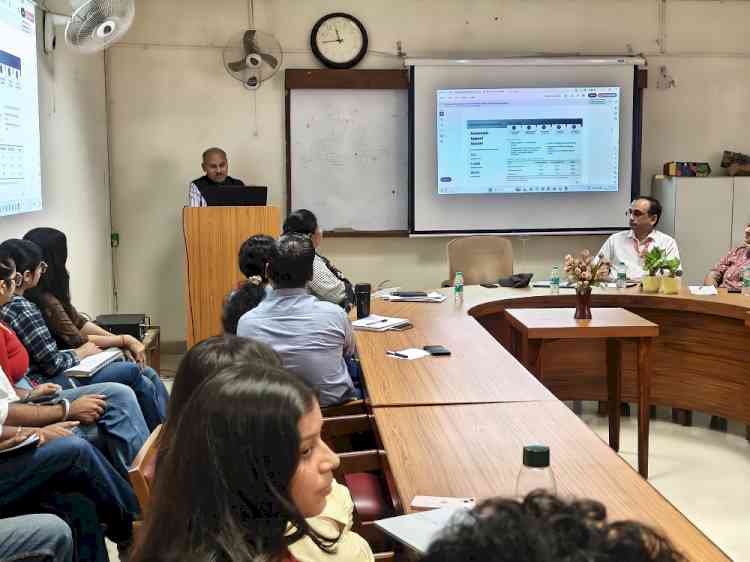
Chandigarh, October 9, 2026: The Department of Public Administration, Panjab University (PU), Chandigarh in collaboration with IIPA Punjab and Chandigarh Regional Branch organised a special lecture on “Right to Services Framework” delivered by Dr. Surendra Kumar Bagde, Director-General, Indian Institute of Public Administration (IIPA) and Director-General, National Centre for Good Governance (NCGG).
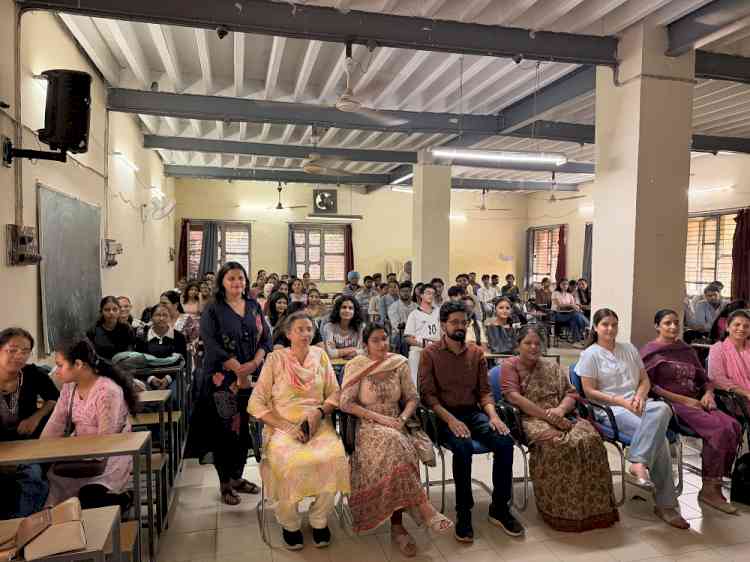
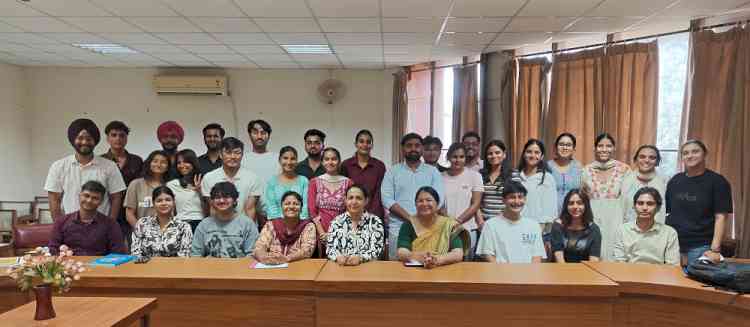
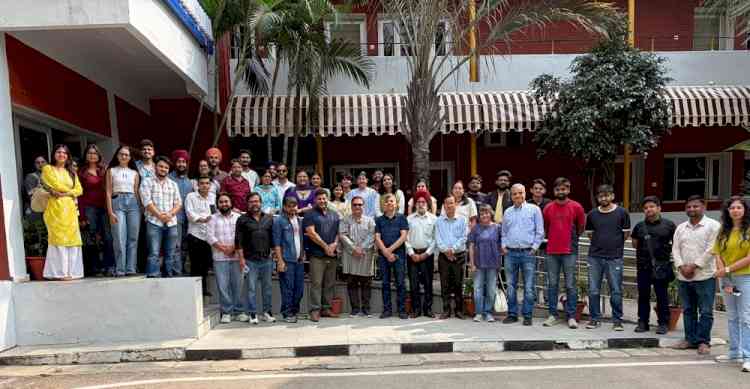
The lecture commenced with a welcome address by Chairperson, Department of Public Administration, Dr. Bhawna Gupta, who highlighted the strong bond between IIPA and PU and shared the key achievements of IIPA Punjab and Chandigarh Regional Branch. The session was attended by Registrar, PU, Prof. Y.P. Verma, faculty members, members of the IIPA Punjab and Chandigarh Regional Branch, research scholars, and postgraduate students.
Dr. Bagde traced the historical development of the Right to Services framework in India, highlighting the introduction of statutory guarantees, appellate mechanisms, and provisions for penalties and compensation in cases of delay. Speaking on the Right to Public Services framework, he discussed advancements and developments in the implementation of Right to Service legislation in Punjab, Haryana and Chandigarh. His insights highlighted the significance of timely delivery of public services, administrative accountability and citizen-centric governance.
A significant part of the lecture focused on digital governance and its role in enhancing efficiency, accessibility, effectiveness, and transparency.The speaker further explored the emerging role of Artificial Intelligence (AI) and algorithmic systems in public administration. Emphasising the need to move beyond mere digitisation, Dr. Bagde observed that technological interventions must ultimately improve the citizens’ experience of governance.
During his lecture and subsequent interactions with students and research scholars, he emphasised the importance of cultivating a regular reading habit and developing a broader understanding of the interconnections between economics, public policy and public administration. He encouraged young scholars to remain curious, read widely and adopt an interdisciplinary approach to understanding governance and public affairs.
This interaction with students and research scholars provided an opportunity to engage with his administrative experiences and perspectives on governance.
The session concluded with the vote of thanks.