Minimally Invasive Neurosurgery techniques have revolutionized the field of Brain Treatment: Dr. Sumit Sinha
Modern neurosurgical techniques have revolutionized the treatment of serious brain and spine diseases. These advanced methods primarily include minimally invasive keyhole neurosurgery and endoscopic interventions. They allow for high-precision access to extremely delicate brain areas while minimizing damage to surrounding healthy tissue, directly benefiting the patient with less pain and stress, and faster recovery.
 Girish Saini
Feb 2, 2026 10:55
0
Girish Saini
Feb 2, 2026 10:55
0

Rohtak, February 1, 2026: Modern neurosurgical techniques have revolutionized the treatment of serious brain and spine diseases. These advanced methods primarily include minimally invasive keyhole neurosurgery and endoscopic interventions. They allow for high-precision access to extremely delicate brain areas while minimizing damage to surrounding healthy tissue, directly benefiting the patient with less pain and stress, and faster recovery.
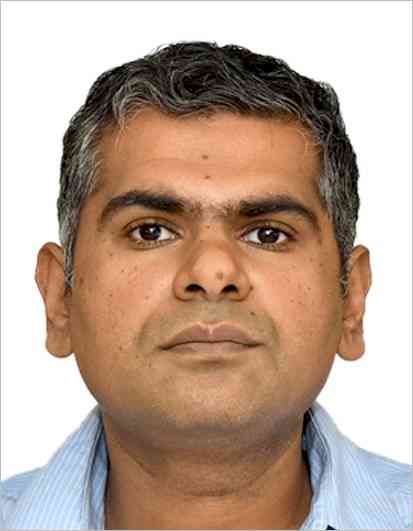
Dr. (Prof.) Sumit Sinha, a specialist in robotics and minimally invasive neurosurgery and spine surgery, explained that minimally invasive neurosurgery focuses on effective treatment through small openings, carefully planned surgical pathways, and advanced visualization tools. While traditional surgery requires large incisions and extensive tissue exposure, the keyhole technique utilizes small openings, performing surgery with the help of microscopes, endoscopes, and navigation systems. This allows for precise treatment at the root of the disease while preserving normal brain structures.
Describing keyhole neurosurgery, Dr. Sumit explained that it involves making a small opening of a few centimeters in the skull to access tumors, blood vessel abnormalities, or lesions compressing the brain. It results in minimal disturbance to surrounding brain tissue, reduced pain and swelling, and a significantly faster recovery rate compared to traditional open surgery.
He further explained that endoscopic neurosurgery uses a thin tube equipped with a camera and light to clearly visualize even deep or narrow areas of the brain. This technique is particularly useful for conditions such as hydrocephalus, pituitary tumors, skull base lesions, and certain brain cysts. In many cases, the surgery is performed through natural openings such as the nose, eliminating the need for external incisions.
Dr. Sumit explained that minimally invasive keyhole and endoscopic neurosurgery are used for brain tumors located in specific areas, pituitary gland tumors, cerebrospinal fluid blockages, skull base tumors, brain cysts, and certain spinal conditions. A thorough evaluation of the patient's condition is conducted to determine if the minimally invasive approach is appropriate and safe. He added that the advantages of these techniques are not limited to smaller incisions. Patients experience less post-operative pain, a lower risk of infection, shorter hospital stays, and a quicker return to daily activities.