MDU Study Flags HPV-16, 18 as Major Cervical Cancer Risks, stresses early screening
A research study by the Department of Genetics, MDU, has underlined the crucial role of HPV screening and early detection in the fight against cervical cancer, with high-risk HPV types 16 and 18 found in a majority of the patients studied.
 Girish Saini
Aug 13, 2026 09:51
0
Girish Saini
Aug 13, 2026 09:51
0
Rohtak, August 12, 2026: A research study by the Department of Genetics, MDU, has underlined the crucial role of HPV screening and early detection in the fight against cervical cancer, with high-risk HPV types 16 and 18 found in a majority of the patients studied.
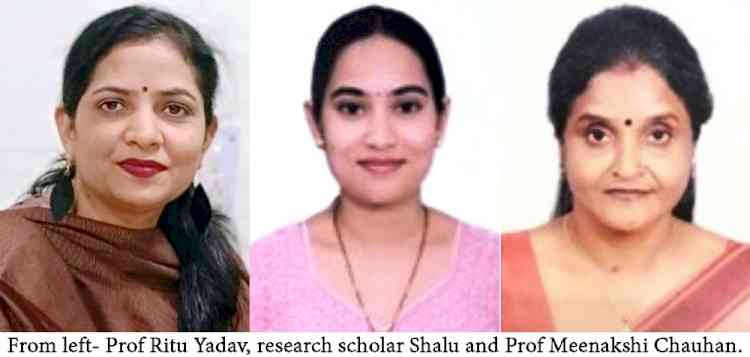
The study was conducted by research scholar Shalu under the supervision of Prof Ritu Yadav, Department of Genetics, MDU, with Prof Meenakshi Chauhan of the Department of Obstetrics and Gynaecology, PGIMS, Rohtak, as co-supervisor. The researchers also identified factors such as age at first childbirth, number of births, miscarriages and lifestyle-related factors as being associated with cervical cancer risk.
The study further examined molecular changes in long non-coding RNAs and identified certain genetic and epigenetic alterations that could potentially serve as biomarkers for early diagnosis and prognosis. The findings could help pave the way for personalised treatment and newer therapeutic approaches.
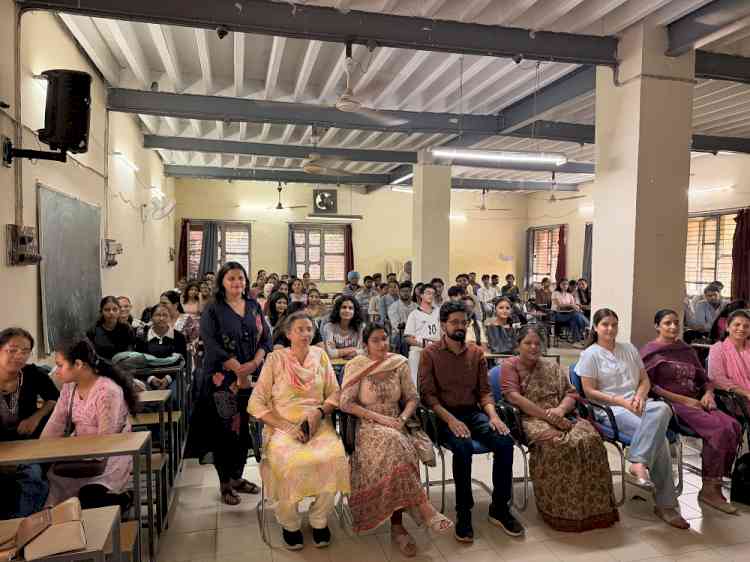
Prof Ritu Yadav has been actively promoting awareness about cervical cancer across North India. Through awareness programmes, more than 2,000 women from rural and urban areas have so far been sensitised to the symptoms, risk factors, prevention and importance of timely screening. She stressed that HPV vaccination, regular screening and awareness are key to reducing the burden of cervical cancer.