ICMR sanctions Rs 1 crore FIWC grant to Panjab University scientist for autism research
New therapeutics for Autism Spectrum Disorder to be developed under national high-risk innovation programme
 City Air News
Mar 12, 2026 01:40
0
City Air News
Mar 12, 2026 01:40
0
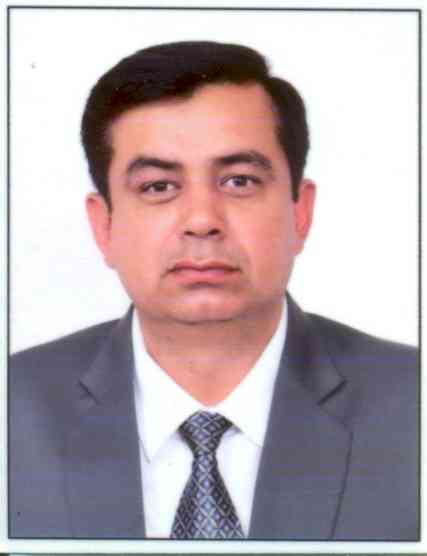
Chandigarh, 11 March 2026: The Indian Council of Medical Research (ICMR) has sanctioned a Rs 1 crore research grant under its “First in the World Challenge (FIWC)” scheme for autism research to Dr Anurag Kuhad, Associate Professor of Pharmacology at the University Institute of Pharmaceutical Sciences (UIPS), Panjab University.
Dr Kuhad will serve as Principal Investigator for a project focused on developing new-age therapeutics for Autism Spectrum Disorder (ASD). His research group has been working in the field of autism for around 15 years.
Autism Spectrum Disorder (ASD) is a neurodevelopmental condition that affects how a person communicates, interacts socially and processes information.
The FIWC initiative was launched by ICMR to support innovative research ideas with potential to generate “first-of-its-kind” biomedical or technological solutions globally. The programme was inspired by India’s achievement in the Chandrayaan-3 Moon landing, which made India the first country to land near the Moon’s south pole.
Dr Kuhad has been listed among the top 2 per cent scientists worldwide in Pharmacy and Pharmacology by Stanford University since 2020.
The project will be undertaken with an interdisciplinary team of co-principal investigators, including Prof Andrew J Lawrence, Deputy Director at the Florey Institute of Neuroscience and Mental Health, Monash University; Prof Laxmi T Rao, Head, Neurophysiology Division at the National Institute of Mental Health and Neurosciences (NIMHANS); Prof Shefali Gulati, Chief, Child Neurology Division at the All India Institute of Medical Sciences (AIIMS), New Delhi; Prof Prateek Kumar Jha from the Indian Institute of Technology Roorkee; and Dr Ranjana Bhandari of UIPS.
ICMR has approved 38 research projects under the “First in the World Challenge” scheme for funding in the financial year 2025–26. According to the council, these projects span a range of healthcare innovations including advanced diagnostics, therapeutics, novel medical devices and bioengineered technologies.
The initiatives aim to address major health challenges such as infectious diseases, cancer, neurodegenerative disorders and diabetes. Several proposals involve emerging approaches including artificial intelligence, nanotechnology and gene-based therapies.
The FIWC scheme encourages researchers to propose forward-looking ideas with potential to produce breakthrough vaccines, drugs, diagnostics or other health interventions that have not been attempted anywhere in the world. The programme follows a high-risk, high-reward model where even partial success could lead to transformative changes in healthcare outcomes globally.