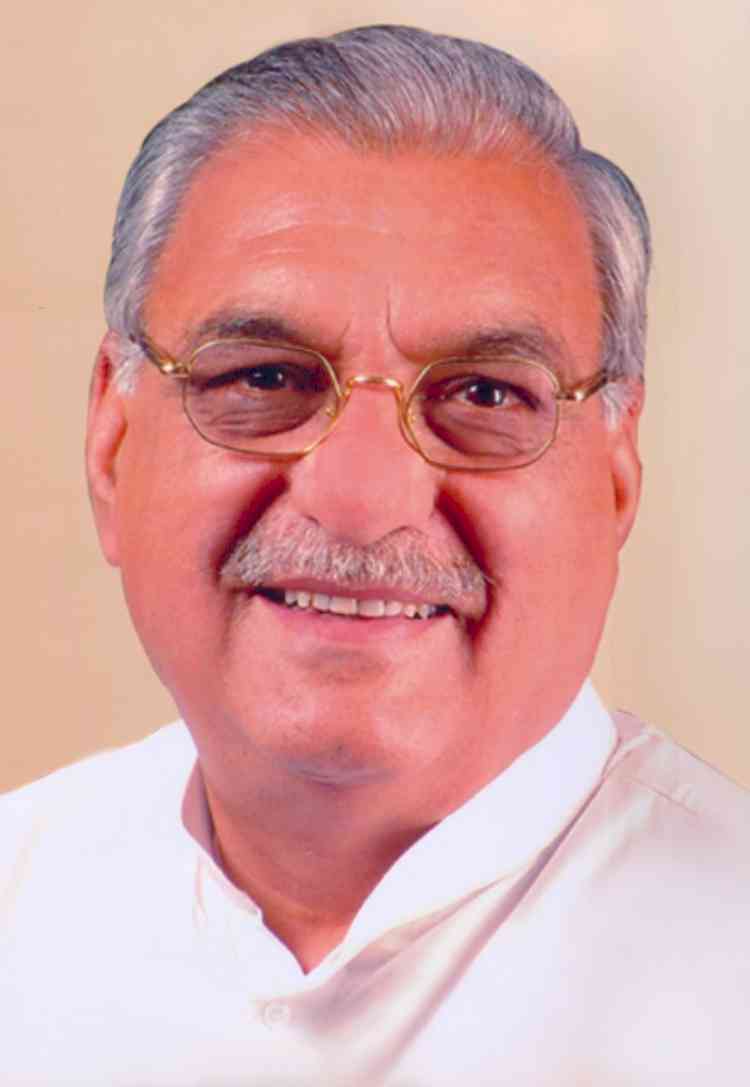
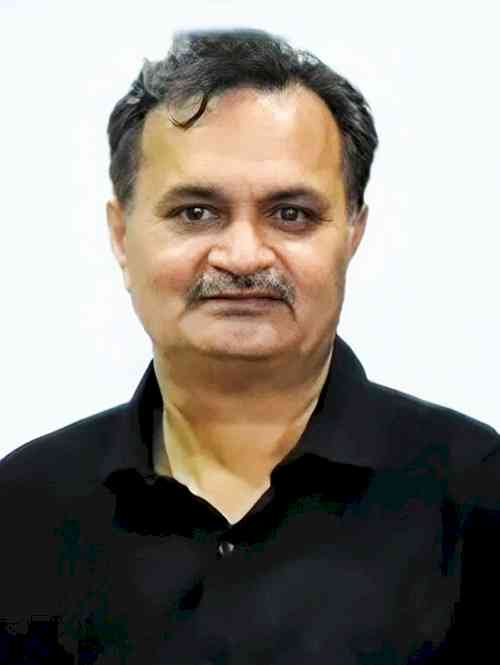
Continuous Monitoring, Public Participation, and Accountability Essential for the Success of Government Schemes: HIRD Director Dr. Virender Singh Chauhan
Under the VB-G RAMG initiative, work should be provided to laborers in accordance with their capabilities and skills, thereby boosting their productivity and enhancing the visible impact of the schemes. This observation was made by Dr. Virender Singh Chauhan, Director of the Haryana Institute of Rural Development (HIRD), while addressing participants during a public hearing held as part of a social audit training program.
 Girish Saini
May 23, 2026 10:45
0
Girish Saini
May 23, 2026 10:45
0
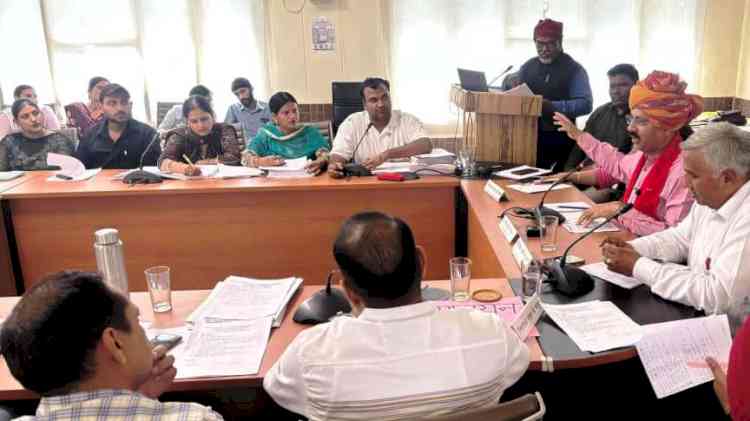
Nilokheri, May 22, 2026: Under the VB-G RAMG initiative, work should be provided to laborers in accordance with their capabilities and skills, thereby boosting their productivity and enhancing the visible impact of the schemes. This observation was made by Dr. Virender Singh Chauhan, Director of the Haryana Institute of Rural Development (HIRD), while addressing participants during a public hearing held as part of a social audit training program.
Dr. Virender Singh Chauhan said that a study of five villages was conducted during the social audit process, serving as a representative sample of the scheme's implementation on a broader scale. Drawing lessons from the findings obtained during this exercise, those tasks or activities that could not be fully completed under the earlier MGNREGA framework should now be executed in a more effective, high-quality, and result-oriented manner under the new VB-G RAMG format.
HIRD Director Dr. Chauhan emphasized that continuous monitoring, public participation, and accountability are absolutely essential for the successful implementation of these schemes, as they provide fresh momentum to rural development efforts. He noted that public hearings offer citizens an opportunity to voice their concerns and suggestions, thereby fostering improvements in scheme implementation and promoting good governance. He urged the trainees to utilize the knowledge acquired during their training for the betterment of rural development and for activities that serve the public interest.
Dr. Chauhan further stated that to ensure transparency across various rural development schemes—including VB-G RAMG—it is imperative that every eligible laborer be issued a Job Card. A Job Card is not merely a document; it serves as a vital instrument for safeguarding the rights of the laborers. Details regarding the work performed by the laborer, the number of workdays, payment particulars, and other essential information must be recorded in the Job Card on a regular basis, enabling the laborers to independently verify information pertaining to their employment and wages. He concluded by stating that the fundamental objective of a social audit is precisely this: to ensure that the benefits of these schemes reach the intended beneficiaries with complete transparency and accountability.
Vishwanath, Lead Course Coordinator at the National Institute of Rural Development (NIRD), Hyderabad, said that the true success of development initiatives is measured not by buildings or statistics, but by public satisfaction. Social auditing ensures that every resource allocated to various schemes reaches the intended beneficiaries and that the public itself becomes an active participant in the development process.
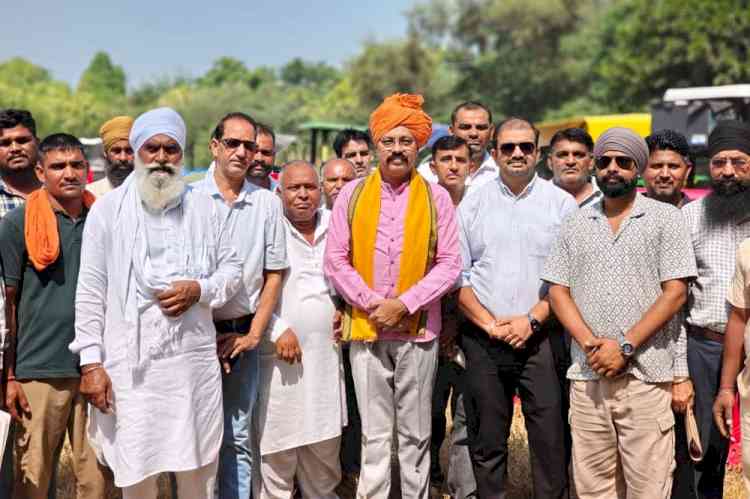
Present on the occasion were Assistant Professors and Course Coordinators from the institute—Wazir Singh, Sushil Mehta, and Kamaldeep Sangwan—along with BDPO Shahabad Krishna Kumar, Sarpanch of Gram Panchayat Gudha Surjit Singh, Ramniwas (JE, MGNREGA Kurukshetra), Riya (Village Secretary, Kheri), ABPO Ladwa Sanjay, Junior Engineer Narendra Kumar, PO MGNREGA Manoj Kumar, and Panchayat Samiti member Sumit Kumar. They were joined by officials and staff from various departments, elected representatives, and trainees.