BJP Punjab Demands Transparency in Municipal Elections; Seeks Disclosure of Rejected and Invalid Votes
Baliawal urges Punjab State Election Commission to release ward-wise and district-wise data on rejected ballot papers, says transparency is essential for strengthening democracy
 City Air News
Jun 1, 2026 09:10
0
City Air News
Jun 1, 2026 09:10
0

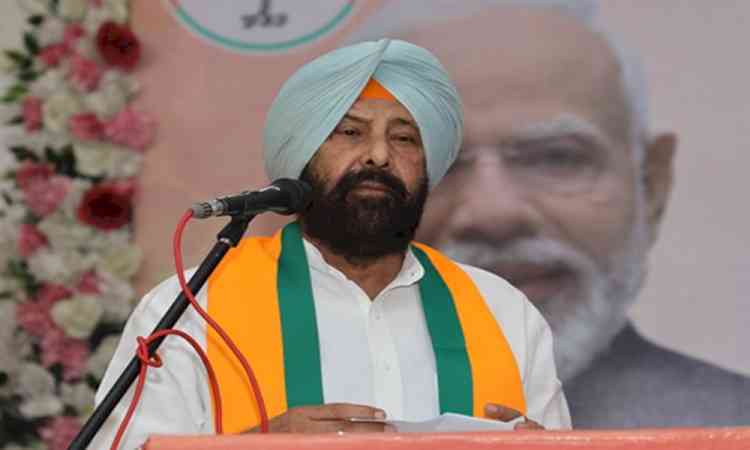
Chandigarh, June 1, 2026: BJP Punjab Spokesperson Pritpal Singh Baliawal has urged the Punjab State Election Commission to publicly release comprehensive data regarding rejected and invalid ballot papers recorded during the recently concluded Municipal Corporation, Municipal Council and Nagar Panchayat elections across Punjab. He stated that transparency is the foundation of a healthy democracy and that voters have a right to know how many votes were declared invalid and the reasons behind their rejection. According to him, making such information public would strengthen confidence in the electoral process and allow citizens to objectively assess the effectiveness of ballot-paper-based elections.
Baliawal demanded that the Election Commission disclose the total number of rejected and invalid votes in each ward, provide booth-wise details of rejected ballot papers, specify the reasons for rejection as prescribed under election rules, and release a comparison of total votes polled, valid votes counted, rejected votes and the winning margins of candidates. He also called for district-wise consolidated data on rejected and invalid votes across Punjab so that political parties, candidates, election observers and the general public can gain a clearer understanding of the electoral process.
He pointed out that in several wards the margin of victory was relatively narrow, making it important to determine whether the number of rejected votes had any significant impact on the final outcome. He said that such information would help ensure greater accountability and strengthen public trust in the fairness of elections.
Baliawal further stated that the experience of these elections once again highlights the advantages of Electronic Voting Machines (EVMs), which substantially reduce the possibility of invalid votes caused by improper marking of ballot papers. He said that EVM-based elections ensure faster counting, greater accuracy and minimize voter disenfranchisement arising from technical rejection of ballots.
“The Election Commission should proactively place this information in the public domain so that all stakeholders can objectively evaluate the conduct of the elections and understand the extent of vote rejection,” Baliawal said. He added that greater transparency and accountability in the electoral process would further strengthen democratic institutions and enhance public confidence in elections. “Democracy becomes stronger when electoral processes are transparent, verifiable and open to public scrutiny. The Election Commission should ensure that all relevant information relating to rejected and invalid votes is made available to the public without delay,” he added.