Social Audit Plays a Crucial Role in Enhancing Transparency and Public Trust: HIRD Director Dr. Virender Singh Chauhan
 Girish Saini
May 19, 2026 09:01
0
Girish Saini
May 19, 2026 09:01
0
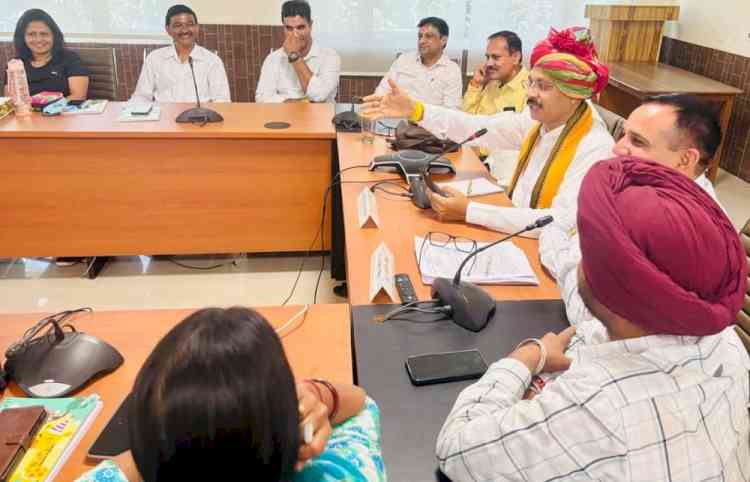
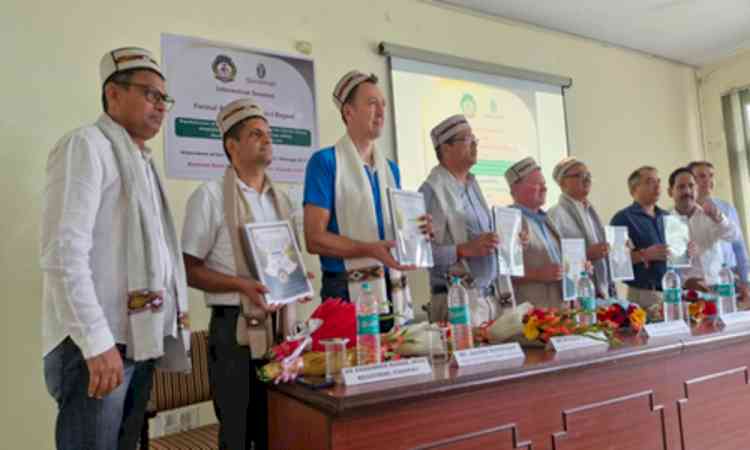
Nilokheri, May 19, 2026: The objective of the special training program on the subject of social audit, currently being conducted at the Haryana Institute of Rural Development (HIRD), Nilokheri, is to strengthen transparency, accountability, and public participation in rural development schemes. As part of this training, trainees are being provided with practical knowledge regarding social audits so that they can understand the actual status of scheme implementation and raise awareness among the general public regarding their rights.
Dr. Virender Singh Chauhan, the Director of the HIRD; said that teams of trainees—who have been undergoing training since May 14—have been dispatched to various Gram Panchayats to conduct social audit work. These Gram Panchayats include Barna (Thanesar), Sarsa (Pehowa), Kheri Shishgran (Pehowa), Gudha (Ladwa), and Kalsana (Shahabad). Upon reaching the villages, the trainees assessed the actual status of the schemes by verifying records related to the projects, conducting on-site inspections, and interacting with the beneficiaries.
Dr. Chauhan explained that the social audit process involves scrutinizing various public welfare schemes, such as MGNREGA, the Pradhan Mantri Awaas Yojana (Rural), and the National Social Assistance Scheme. In addition to reviewing documents associated with these schemes, the trainees also verified whether the work undertaken under these schemes had, in fact, been completed on the ground. Furthermore, information regarding the benefits and the quality of implementation of these schemes was gathered by engaging in dialogue with the villagers and beneficiaries.
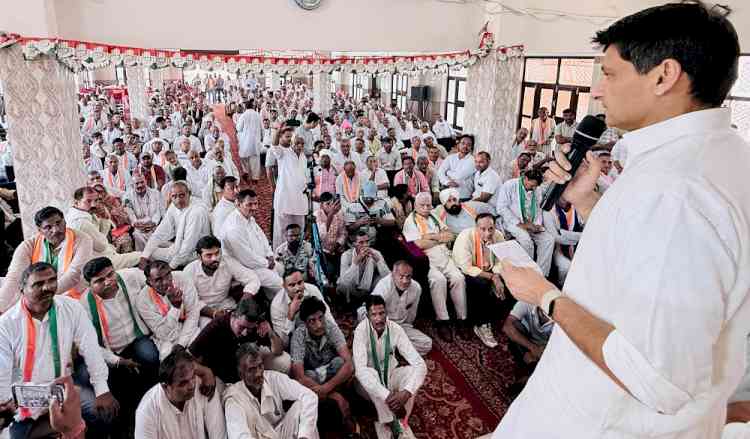
He further informed that Gram Sabhas are scheduled to be organized in the respective Gram Panchayats on May 20, during which the social audit reports will be publicly presented. During the Gram Sabha sessions, the development works undertaken in the village will be placed before the villagers; moreover, if any irregularities, incomplete work, or negligence are detected in any scheme, accountability will be fixed upon the concerned Sarpanch and the implementing agency. This process of social audit is playing a pivotal role in enhancing both transparency and public trust within rural development schemes.
A special awareness campaign was also conducted by teams of trainees to disseminate information regarding Gram Sabhas to every village. As part of this initiative, rallies were organized in the villages, messages were conveyed through wall paintings, and banners were displayed to encourage villagers to participate in the Gram Sabhas in large numbers. The villagers, too, showed keen interest in this initiative and acknowledged the social audit process as crucial for the development of their villages.
During this training program, Course Coordinators Vishwanath and Dr. Wazir Singh from the National Institute of Rural Development provided the trainees with detailed insights into the nuances of social auditing, the monitoring of schemes, and the significance of public participation.