Punjab Government and ICMR-CMC Ludhiana launch major initiative to strengthen emergency care across Block Manupur through Mission Swasth Kavach" to revolutionize rural emergency care
In a significant move to bolster rural emergency medical response, the Christian Medical College (CMC) Ludhiana, under the aegis of the Indian Council of Medical Research (ICMR), has successfully conducted a block-level cascade training program in Block Manupur. This initiative is part of a National Health Research Priority project focused on implementing a robust Emergency Medical Services (EMS) framework within the community.
 City Air News
May 4, 2026 08:07
0
City Air News
May 4, 2026 08:07
0
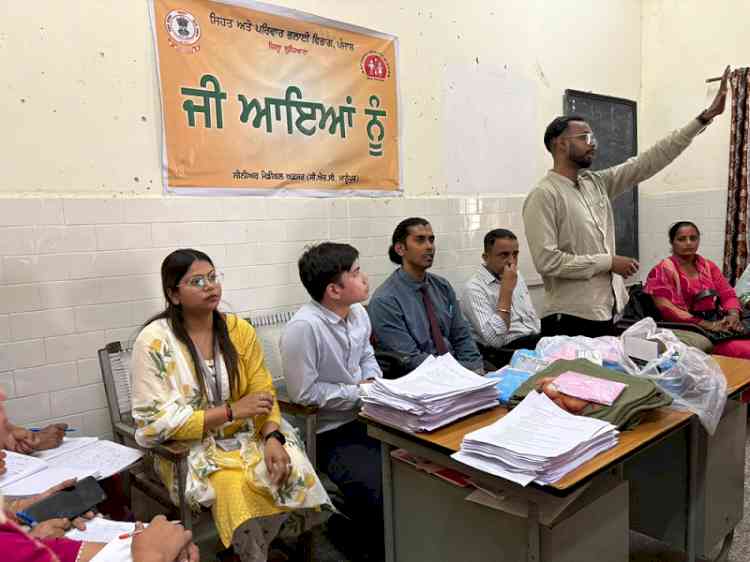
Ludhiana, May 4, 2026: In a significant move to bolster rural emergency medical response, the Christian Medical College (CMC) Ludhiana, under the aegis of the Indian Council of Medical Research (ICMR), has successfully conducted a block-level cascade training program in Block Manupur. This initiative is part of a National Health Research Priority project focused on implementing a robust Emergency Medical Services (EMS) framework within the community.
A Collaborative Vision for Public Health
The project represents a powerful synergy between academic research and district administration. Key collaborators include:
* The Deputy Commissioner of Ludhiana
* The Civil Surgeon of Ludhiana District
* The District Family Welfare Officer (DFPO) & State Health Department
* Senior Medical Officer (SMO) & Block Education Officer of Manupur
Empowering Frontline Heroes
The training program targeted the backbone of rural healthcare—ASHA workers, Auxiliary Nurse Midwives (ANMs), and Community Health Officers (CHOs). To ensure the sustainability of the project, each Health and Wellness Center (Ayushman Arogyam Mandir) was equipped with:
* Two low-cost CPR manikin kits for hands-on practice.
* Educational flipcharts designed for community engagement.
Focus Areas: Awareness and Action
The curriculum was specifically designed to tackle the critical "platinum minutes" of medical emergencies. Key objectives included:
1. Life-Saving Skills: Training on Cardio-Pulmonary Resuscitation (CPR) and immediate first aid.
2. System Navigation: Increasing awareness of the 108 Ambulance service and the legal protections of the Good Samaritan Policy.
3. Behavioral Change: Encouraging timely health-seeking behavior and identifying the appropriate health facilities for specific emergencies.
The Road Ahead: 5 Responders per Village
This "Train the Trainer" model ensures the impact reaches every household. These frontline workers will now lead training sessions within their respective villages. The ultimate goal is to create five certified first responders in every village, ensuring that no medical emergency goes unattended while professional help is on the way.
By decentralizing emergency skills, Government of Punjab, ICMR and CMC Ludhiana are transforming bystanders into lifesavers, fundamentally changing the landscape of emergency care in Punjab.
Through this collaboration, the State health office, Deputy Commissioner’s office, Civil Surgeon’s office, ICMR and CMC Ludhiana are building a "Kavach" (Shield) of trained citizens, making Punjab a leader in community-based emergency medical response.