Over 650 Attend ‘Tapash’ in Ludhiana to Learn About Heatwaves and Solutions
A Punjabi social play, Tapash (Heat Wave), brought the conversation on extreme heat, preparedness and community-led solutions to Ludhiana, using theatre to connect the realities of a warming climate with the everyday experiences of people across Punjab.
 City Air News
Aug 19, 2026 09:25
0
City Air News
Aug 19, 2026 09:25
0

Ludhiana, August 19, 2026: A Punjabi social play, Tapash (Heat Wave), brought the conversation on extreme heat, preparedness and community-led solutions to Ludhiana, using theatre to connect the realities of a warming climate with the everyday experiences of people across Punjab.
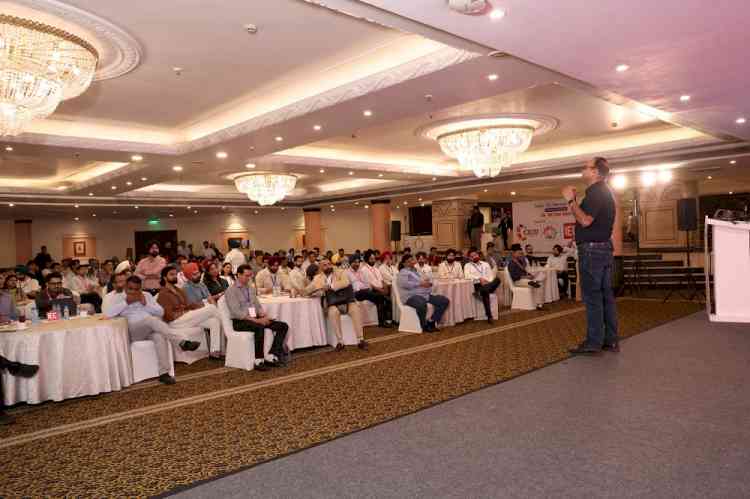
Presented by the Young Malang Theatre Welfare Society at SCD Government College, near Rose Garden, Civil Lines, Ludhiana, the performance brought together over 650 students, educators, government representatives, academics, environmentalists, civil society organisations and members of the public.
The play explored how extreme heat affects health, livelihoods, agriculture, water availability, gig workers and everyday life, while also drawing attention to practical measures that can help communities prepare—including urban greenery, water conservation, heat-safe workplaces, cooler public spaces and better access to weather and heat-health information.
Written by Davinder Gill, directed by Sajan Kapoor and conceived by Sanam Sutirath Wazir, with Harun Arora as Assistant Director, Tapash was organised in association with Asar, Clean Air Punjab, Saanjh Punjab, AirCare Centre and the Municipal Corporation Ludhiana. Heat perception survey was also launched here today.
The performance created a space for audiences to engage with heat not simply as a weather event, but as an issue that requires preparedness and collective action.
Gurpreet Kaur, Clean Air Punjab, said: “Heat resilience is ultimately about the choices we make in our homes, workplaces and neighbourhoods. Creating shade, protecting trees, improving access to drinking water, making workplaces safer and ensuring that vulnerable people receive timely support are practical steps that communities can take. Tapash helps make these solutions part of a wider public conversation.”
The performance also highlighted the role of household and neighbourhood-level interventions. Ritu Malhan, an educator based in Ludhiana, has transformed her home with an extensive terrace garden and vegetable garden. She says the greenery has made a noticeable difference to the living environment.
“The terrace garden has changed the way we experience summer at home. The plants and vegetation provide shade and make the space noticeably cooler, while also giving us fresh, home-grown vegetables. It is a simple yet powerful example of how greening our homes can help build resilience against rising temperatures. We need to encourage and adopt more such initiatives across our cities.”
For Punjab’s agricultural and scientific communities, heat resilience is equally important. Dr Prabhjyot Kaur, Senior Scientist, Agrometeorology, Punjab Agricultural University, said: “Heat and changing weather patterns have direct implications for crops, soil moisture, water requirements and farm decisions. Farmers need timely weather information, advisories and practical adaptation measures. Building climate resilience in agriculture is about helping farmers anticipate changing conditions and make informed decisions.”
The performance also brought the conversation directly into an educational setting, encouraging young people to think about climate resilience as part of their communities and everyday lives. Prof. Geetanjali Pabreja, Dean, Cultural, SCD College said: "Climate change often feels distant and overwhelming for students. Tapash brought the issue closer to home by highlighting how rising heat impacts people and places around us. It also reminded us that solutions don't have to start elsewhere - we can begin right here on our campuses, in our homes, and in our communities by increasing green cover, conserving water, and preparing for extreme heat."
Tapash is part of the Climate Culture Collective, an initiative that brings together artists, storytellers, journalists, filmmakers, musicians and cultural institutions to make climate conversations part of everyday culture. The Collective seeks to translate climate science and policy into stories that people can see, hear and feel—making complex issues more accessible while encouraging public dialogue, collective responsibility and action.
Through initiatives such as Tapash, the Collective aims to create new spaces for communities to engage with climate challenges and become active participants in building a climate-resilient future.
The Ludhiana performance demonstrated how cultural platforms can complement government, scientific and community efforts by bringing different perspectives into the same conversation. The organisers said the event was aimed at encouraging greater collaboration between citizens, government departments, educational institutions, researchers and civil society around practical measures for heat preparedness.