PHDCCI Seeks Customs Duty Reforms to Strengthen India's Petroleum and Petrochemical Industry
The PHD Chamber of Commerce and Industry (PHDCCI) has proposed a comprehensive set of customs duty rationalisation measures for the petroleum and petrochemicals sector in its Pre-Union Budget 2027–28 recommendations, focusing on improving feedstock availability, reducing manufacturing costs, strengthening domestic petrochemical production and enhancing the competitiveness of India's refining industry.
 City Air News
Nov 10, 2026 07:15
0

New Delhi, November 10, 2026: The PHD Chamber of Commerce and Industry (PHDCCI) has proposed a comprehensive set of customs duty rationalisation measures for the petroleum and petrochemicals sector in its Pre-Union Budget 2027–28 recommendations, focusing on improving feedstock availability, reducing manufacturing costs, strengthening domestic petrochemical production and enhancing the competitiveness of India's refining industry.
According to the Petroleum Planning & Analysis Cell (PPAC), indigenous crude oil production declined by 1.72% during the period under consideration, while petroleum products production registered a CAGR of 4.05% between FY2020–21 and FY2025–26. During the same period, exports of crude oil and petroleum products recorded a CAGR of 13.97%, reflecting the growing significance of India's petroleum processing and trade ecosystem.
Against this backdrop, PHDCCI has recommended reducing the Basic Customs Duty (BCD) on heavy petroleum feedstocks, including fuel oil, vacuum residue, slurry and vacuum gas oil (VGO), classified under HSN 2710 19, from 2.5% to zero when imported for refinery processing.
Indian refiners have made significant investments in processing infrastructure capable of utilising heavy feedstocks. Given the sourcing challenges associated with heavy crude oil amid geopolitical uncertainties, these feedstocks can provide refiners with additional sourcing flexibility and reduce dependence on conventional crude oil supplies. Since crude oil itself attracts negligible customs duty, the proposed measure would also improve tariff parity for refinery inputs.
It was further recommended increasing the import duty on styrene (HSN 2902 50 00) to provide appropriate protection to domestic manufacturers, reduce import dependence and address the pressure on the trade balance.
Styrene is a critical petrochemical intermediate used in the production of plastics, synthetic rubber, resins and polymer products. Its applications extend across plastics and packaging, automotive components, electrical and electronic equipment and consumer durables.
The development of domestic styrene manufacturing capacity, including the proposed 387 thousand metric tonnes per annum Styrene Monomer Project at IndianOil's Panipat Refinery and Petrochemical Complex, underscores the importance of an enabling tariff environment for domestic investment.
We also proposed reducing the import duty on naphtha (HSN 2710 12 29) to zero, recognising its importance as a primary petrochemical feedstock. Naphtha is used in the production of olefins, aromatics and other essential chemical intermediates, besides serving applications in refinery and fuel operations.
According to the Department of Chemicals and Petrochemicals, consumption of naphtha in the petrochemical sector increased from 11,339 thousand tonnes in FY2020–21 to 11,457 thousand tonnes in FY2024–25, highlighting its continuing significance for India's petrochemical manufacturing ecosystem.
To support the energy requirements of industrial consumers, PHDCCI has recommended reducing BCD on Liquefied Natural Gas (LNG) (HSN 2711 11 00) from 2.5% to zero. With import dependence estimated at approximately 50% of consumption, LNG remains an important component of India's energy supply chain, supporting fertiliser production, electricity generation, city gas distribution, steel, refineries and petrochemicals.
Further, the removal of the National Calamity Contingent Duty (NCCD) of ₹50 per tonne on crude oil (HSN 2709 00 10), noting that the levy was originally introduced in 2003–04 for a one-year period to finance calamity relief but continues to impose an additional cost on the refining industry was also recommended.
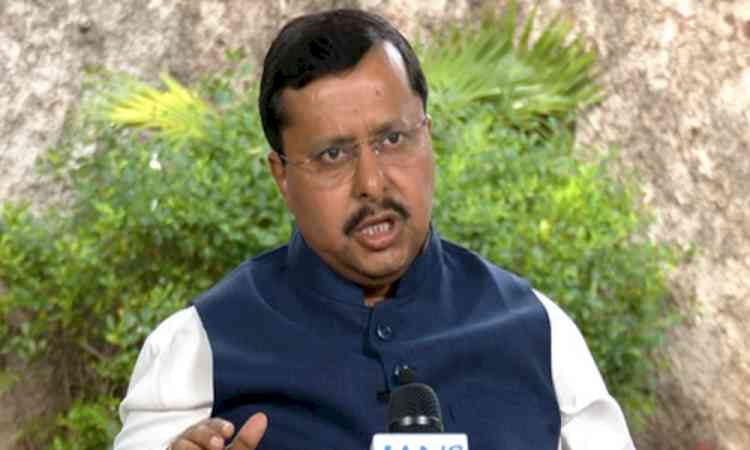
"Reducing duties on critical inputs such as heavy petroleum feedstocks, naphtha and LNG, while creating an appropriate tariff environment for domestic petrochemical manufacturing, can strengthen investment viability, improve operational efficiency and enhance the competitiveness of India's downstream industrial ecosystem said Mr. Anil Gupta, President, PHDCCI."
We believe that these measures, taken together, would help improve the cost competitiveness of domestic refineries and petrochemical manufacturers, support downstream industries and strengthen India's energy and industrial supply chains.