New VB G-Ram-G format will make the old MNREGA more effective, accountable, and people-centric: HIRD Director Dr. Virender Singh Chauhan
The continuous use of technology and the will of the leadership have brought transparency to government functioning and economic transactions. These views were expressed by Dr. Virender Singh Chauhan, Director of the Haryana Institute of Rural Development (HIRD).
 Girish Saini
Jan 6, 2026 07:15
0
Girish Saini
Jan 6, 2026 07:15
0
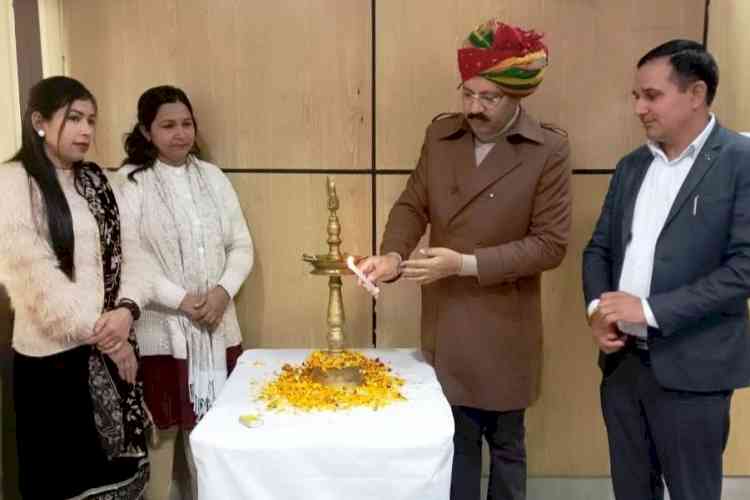
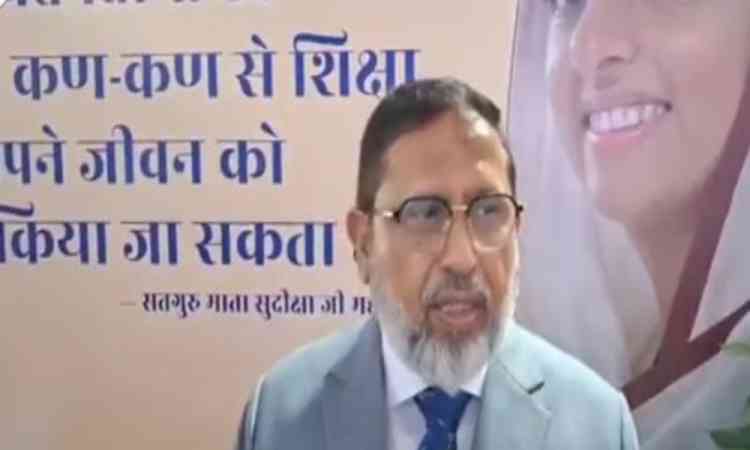
Nilokheri, January 6, 2026: The continuous use of technology and the will of the leadership have brought transparency to government functioning and economic transactions. These views were expressed by Dr. Virender Singh Chauhan, Director of the Haryana Institute of Rural Development (HIRD). He was addressing the inaugural session of the four-day training program on the subject of social audit for block resource persons, organized under the Mahatma Gandhi National Rural Employment Guarantee Act (MNREGA). Dr. Wazir Singh, the coordinator of this training program welcomed the chief guest, Dr. Chauhan.
HIRD Director, Dr. Chauhan said that during the tenure of Prime Minister Rajiv Gandhi, only 15 rupees out of 100 rupees reached the actual beneficiaries. Today, when Prime Minister Narendra Modi presses the button for the Rs. 2000 under the Kisan Samman Nidhi scheme, the entire Rs. 2000 instantly reaches the bank accounts of millions of farmers. This revolutionary change should also be reflected in the previous MNREGA and its new format, VB G-Ram-G.
Dr. Chauhan said that through the new format of MNREGA, VB G-Ram-G, the old MNREGA is to be made more effective, accountable, and people-centric. Timely payments, digital monitoring, social audit, and local participation are essential to properly explain and convey the concept of MNREGA to the public, so that rural India becomes self-reliant and an active participant in the goal of a developed India. He said that the role of social audit is extremely important in ensuring transparency and accountability in a public welfare scheme like MNREGA.
Dr. Virender Singh Chauhan said that social audit not only improves the quality of schemes but also strengthens public trust in the administration. This process is a powerful tool to curb corruption and strengthen good governance.
In his address, he laid special emphasis on working in the Hindi language, saying that Hindi is our mother tongue and also the language of administration. When we work in Hindi, direct communication is established with the common citizens. He administered an oath to all the participants, urging them to conduct as much of their official and office work as possible in Hindi.
A female participant present at the program highlighted the importance of language and culture, stating that the Hindi language is our cultural identity and that adopting it in practice is true awareness. All the participants in the program pledged to promote social auditing, transparency, good governance, and the use of the Hindi language. The training program will be conducted over the next four days through various sessions.