Nauni University Scientists Conduct Field Visits, Issue Advisory on Apple Disease Management
University teams have been conducting awareness and advisory drives since July 8
 City Air News
Jul 25, 2026 12:48
0
City Air News
Jul 25, 2026 12:48
0

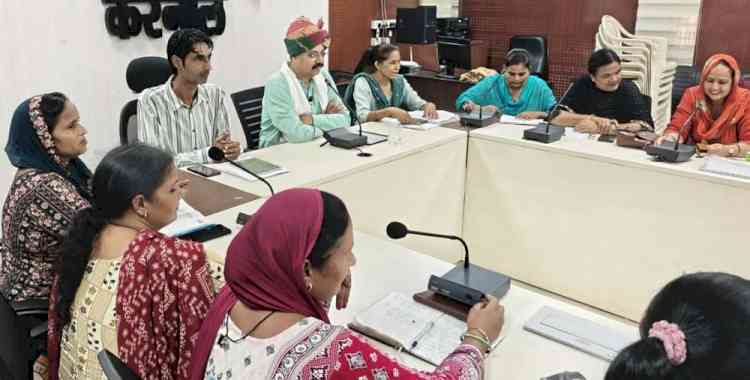
Several scientific teams from Dr. YS Parmar University of Horticulture and Forestry (UHF), Nauni have been conducting field visits and awareness campaigns across major apple-growing regions of Himachal Pradesh over the past two weeks to guide orchardists on the scientific management of Alternaria leaf spot, Marssonina leaf blotch and other important apple diseases. The drive which has been ongoing since July 8 and scientists have been accompanied by Horticulture department officials. The teams visited orchards, assessed disease incidence and interacted with growers.
The awareness camps focused on the timely identification and scientific management of Alternaria leaf spot, Marssonnia leaf blotch, apple scab and other emerging diseases. Scientists examined leaf samples to diagnose diseases and nutrient deficiencies and provided location-specific recommendations based on field observations. Marssonnia leaf blotch and Alternaria was detected in some orchards with low severity. Scientists also addressed queries related to root rot, collar rot, yellowing of foliage, wilting and bark decay, recommending improved field drainage, avoidance of water stagnation and adoption of the prescribed management practices.
Interactions with growers revealed several common management issues. Scientists observed that only a small proportion of orchardists had undertaken soil and leaf analysis, with fertilizer applications largely based on traditional practices rather than scientific recommendations resulting in nutrient imbalances. In several orchards excessive use of phosphatic fertilizers appeared to have induced zinc deficiency. Indiscriminate use of nutrient sprays, either in place of need-based plant protection measures or mixed with pesticides without technical guidance, was also found to reduce spray efficacy and, in some cases, increase the risk of phytotoxicity.
Scientists also found that many growers were not adhering to the University's recommended fungicide spray schedule and were relying heavily on advice from agrochemical retailers while planning plant protection measures. Gaps in disease identification were also observed, with some growers unable to distinguish fungal diseases from insect or mite damage, resulting in the unnecessary use of insecticides or miticides instead of fungicides.
During interactions, some growers expressed concern that fungicides recommended in the University's spray schedule were not providing satisfactory disease control. However, university pathologists observed that in many cases the infection was confined to the petiole rather than the leaf lamina, resulting in inadequate spray coverage of the infected area. Scientists clarified that the issue was related to spray application and coverage rather than the effectiveness of the recommended fungicides. In several orchards, the interval between fungicide sprays also exceeded the recommended 20 days, contributing to disease spread.
The teams advised orchardists to adopt integrated disease management practices combining cultural, biological and chemical approaches.
Scientists advised growers to procure pesticides only from authorised and licensed dealers and use only products recommended by the University and the Department of Horticulture. Farmers were also urged to verify technical recommendations before adopting them and report any suspected cases of counterfeit pesticides to the concerned authorities.
Based on field observations, the University has issued the following advisory to apple growers:
· Continuously monitor orchards for Alternaria leaf spot, Marssonnia leaf blotch and other diseases.
· Remove weeds, infected leaves and leaf litter to improve orchard sanitation and reduce disease carry-over. Collect infected fallen leaves and promote their decomposition with a 5 percent urea solution
· Undertake scientific pruning and canopy management to improve aeration and light penetration and timely management of root diseases, cankers and insect-pest infestations.
· Undertake soil and leaf testing for scientific nutrient management and balanced fertilizer application. Farmers were encouraged to submit leaf samples for analysis between mid-July and mid-August and soil samples after harvest to enable site-specific nutrient management.
Follow the University's recommended fungicide spray schedule and maintain the prescribed interval between sprays. Avoid indiscriminate mixing of fungicides with pesticides, micronutrients, growth regulators or hormones unless specifically recommended. Purchase pesticides only from authorised dealers and use approved products recommended by the University and the Department of Horticulture.