Learning Across Borders: UHF Nauni Strengthens India–Nepal Cooperation in Horticulture
Strengthening agricultural cooperation between India and Nepal, Dr YS Parmar University of Horticulture and Forestry (UHF), Nauni, has successfully concluded a ten-day training programme on the scientific cultivation and management of horticultural crops for extension functionaries and farmers from Nepal. The programme brought together 49 participants, including 44 officials representing seven provinces of Nepal and five progressive farmers.
 City Air News
Oct 17, 2026 09:35
0
City Air News
Oct 17, 2026 09:35
0
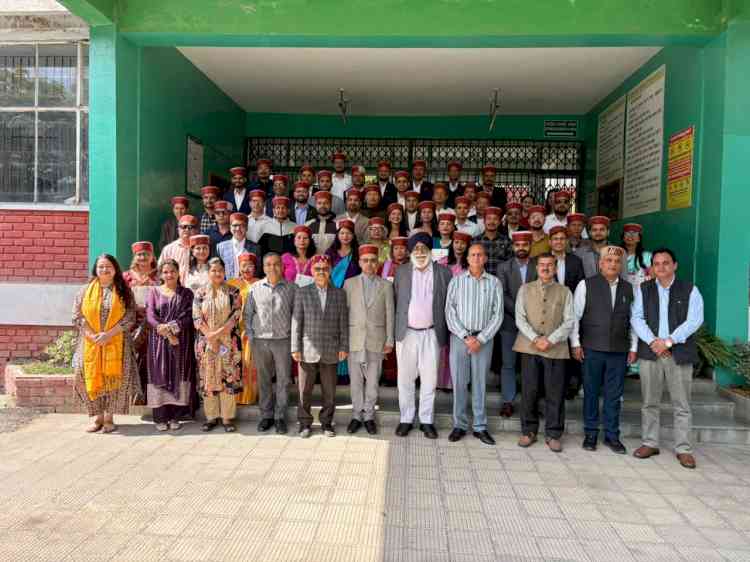
Strengthening agricultural cooperation between India and Nepal, Dr YS Parmar University of Horticulture and Forestry (UHF), Nauni, has successfully concluded a ten-day training programme on the scientific cultivation and management of horticultural crops for extension functionaries and farmers from Nepal. The programme brought together 49 participants, including 44 officials representing seven provinces of Nepal and five progressive farmers.
This was the third batch of trainees from Nepal as part of the significant collaboration between the Ministries of External Affairs of India and Nepal, with the objective of enhancing technical capacities, promoting scientific farming practices and strengthening knowledge exchange in horticulture and allied agricultural sectors.
The training offered participants a comprehensive understanding of modern horticultural technologies and diversified farming enterprises, with a special focus on scientific cultivation of high-altitude apple and walnut, mushroom production, beekeeping, food processing, commercial flower production and natural farming. A combination of classroom lectures, practical demonstrations, field visits and interactive discussions enabled participants to gain hands-on experience and explore practical solutions to the challenges faced by farmers in their respective regions.
Addressing the participants during the valedictory ceremony, Vice Chancellor Prof. HS Baweja highlighted the longstanding partnership between India and Nepal and the importance of strengthening agricultural cooperation through technical exchange and capacity building. He emphasised that adopting scientific farming practices could significantly improve agricultural productivity, enhance the quality of produce and increase farmers' incomes.
Highlighting the potential of beekeeping as an important component of diversified farming, Prof. Baweja discussed the value of bee products such as royal jelly, bee pollen and bee venom, and introduced participants to the concept of apitherapy and its potential applications. He also encouraged them to explore nut crops, as a promising avenue for agricultural diversification, enterprise development and income generation.
Dr DP Sharma, Director of Extension Education, emphasised the importance of adopting scientific methods of fruit cultivation to improve farm productivity and profitability. He noted that modern horticultural practices, when effectively disseminated among farmers, can create new employment opportunities, encourage entrepreneurship and contribute to rural economic development.
As part of the programme, participants visited the Regional Horticultural Research and Training Station, Mashobra; Krishi Vigyan Kendra, Kandaghat; and the Directorate of Mushroom Research, Solan. These exposure visits provided first-hand insights into advanced production technologies, ongoing research initiatives and the application of scientific innovations under field conditions.
The participants appreciated the university's efforts in organising the programme and acknowledged the technical guidance, practical exposure and support provided by the university. They particularly valued the sessions and field-based learning opportunities on the scientific cultivation and management of temperate fruit crops, especially apples and walnuts. The participants noted that the training had strengthened their technical understanding and practical competencies while familiarising them with improved horticultural technologies and sustainable farming approaches. They expressed confidence that applying these learnings would help improve fruit cultivation practices, enhance farm productivity and promote sustainable horticultural development in Nepal. The programme marks another step towards strengthening technical cooperation and knowledge exchange between India and Nepal in horticulture and allied agricultural sectors. The valedictory ceremony was attended by the Joint Directors and scientific staff of the Directorate of Extension Education.