KMVites rediscover India’s forgotten Food Plants to promote Sustainable Living
Kanya Maha Vidyalaya (Autonomous) Department of Botany organised an educational activity titled “Plants That Sustain Us: Rediscovering the Forgotten Foods of India”.
 Rajat Kumar
Oct 19, 2026 09:48
0
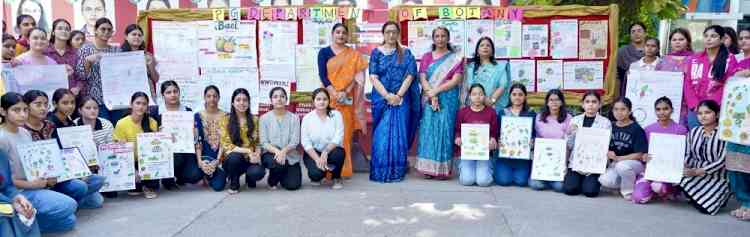
Jalandhar, October 19, 2026: Kanya Maha Vidyalaya (Autonomous) Department of Botany organised an educational activity titled “Plants That Sustain Us: Rediscovering the Forgotten Foods of India”.
The activity aimed to create awareness among students about the importance of plants in human nutrition, traditional food practices, biodiversity conservation, and sustainable living. As part of the activity, students prepared creative and informative charts highlighting various plant species, with a special focus on forgotten and underutilised food plants of India. The charts showcased plants such as sunflower (Helianthus annuus), beetroot (Beta vulgaris), fenugreek (Trigonella foenum-graecum), pea (Pisum sativum), mustard (Brassica juncea), and bathua (Chenopodium album), along with several other plants of botanical, ecological, and cultural significance. Through this activity, students explored the nutritional value, traditional uses, and importance of plant resources in everyday life. The initiative also emphasised the need to preserve indigenous food traditions, promote awareness of lesser-known edible plants, and conserve plant diversity for future generations. It provided students with an opportunity to combine scientific knowledge with creativity while appreciating India's rich botanical heritage.
Director Prof. Dr. Atima Sharma Dwivedi lauded the efforts of the Department of Botany and the students for organising this meaningful and informative activity. She acknowledged the students' creativity, enthusiasm, and efforts in highlighting the significance of plants and traditional Indian food resources. The activity was appreciated for its educational value and its contribution to promoting environmental awareness and sustainable living.
The programme concluded with the message that plants are essential to sustaining life and that rediscovering traditional food plants can contribute to healthier lifestyles, biodiversity conservation, and a more sustainable future.