IIT Roorkee Researchers Uncover Metabolic Weakness in a Drug-resistant Pathogen
Study Published in mBio Reveals How Disrupting Cysteine Metabolism Can Weaken Antibiotic-Resistant Acinetobacter baumannii
 City Air News
Jun 23, 2026 08:40
0
City Air News
Jun 23, 2026 08:40
0
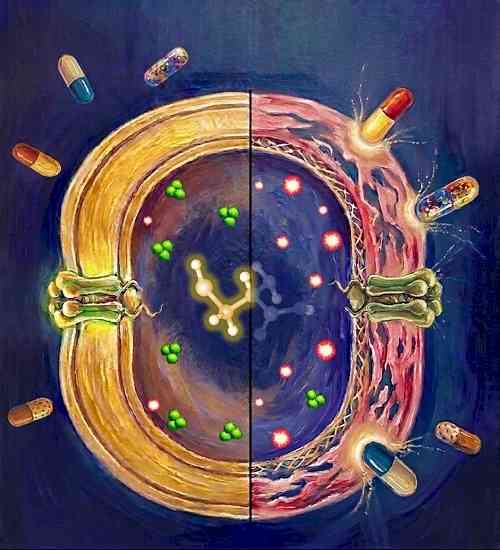
Roorkee, Uttarakhand, June 23, 2026: Researchers at IIT Roorkee have uncovered a critical metabolic vulnerability in Acinetobacter baumannii, a nosocomial pathogen responsible for severe hospital-acquired infections worldwide. This discovery reveals how this dangerous pathogen leverages redundant metabolic pathways to survive antibiotic stress and host defences, and identifies a promising direction for future antimicrobial development.
The study, led by Prof. Ranjana Pathania from the Department of Biosciences and Bioengineering, carried out by Avik Pathak, a PhD scholar, and Dr. Snehlata Saini, a postdoctoral fellow, has been published in the renowned peer-reviewed journal mBio. The findings provide important mechanistic insights that could inform the development of future therapeutic strategies to enhance the effectiveness of existing antibiotics against this priority pathogen.
Acinetobacter baumannii poses a major global health challenge due to its exceptional ability to survive in hospital environments and rapidly acquire resistance to multiple classes of antibiotics. With treatment options becoming increasingly limited, there is an urgent need for innovative therapeutic approaches that target the bacterium's essential survival mechanisms. The World Health Organisation (WHO) has identified carbapenem-resistant Acinetobacter baumannii as one of the highest-priority bacterial pathogens requiring urgent development of new treatment strategies.
The IIT Roorkee team focused on understanding the role of cysteine metabolism, a fundamental biological process that supports several critical cellular functions. Their research revealed that the bacterium relies on two partially redundant enzymes, CysE and SAT, for cysteine biosynthesis. Disrupting this pathway significantly lowers intracellular cysteine levels, triggering widespread metabolic dysfunction, impaired energy production, increased oxidative stress, and heightened sensitivity to conventional antibiotics.
Importantly, the researchers found that while the pathogen could partially compensate for the loss of cysteine biosynthesis through cystine uptake, simultaneous disruption of both pathways resulted in synthetic lethality and significantly impaired bacterial fitness during infection. This finding reveals a previously unrecognized metabolic dependency that could be exploited in future antimicrobial strategies.
Explaining the significance of the findings, Prof. Ranjana Pathania, Principal Investigator of the study, said, "Our study reveals that Acinetobacter baumannii relies on a finely balanced network of cysteine biosynthesis and uptake pathways to maintain its metabolic fitness. While the bacterium can compensate when one pathway is disrupted, simultaneous interference with both systems creates a severe survival disadvantage. These findings provide important mechanistic insights and identify new opportunities for designing combination therapies against multidrug-resistant infections"
Prof. Kamal Kishore Pant, Director, IIT Roorkee, said, “Antimicrobial resistance remains a critical global health challenge. This research advances our understanding of bacterial survival mechanisms and identifies key metabolic vulnerabilities in Acinetobacter baumannii, opening new pathways for innovative antimicrobial therapies and reinforcing IIT Roorkee’s commitment to impactful research addressing global challenges.”
By revealing how Acinetobacter baumannii maintains metabolic resilience and survives antibiotic stress, the study advances scientific understanding of bacterial physiology and adaptation. The findings provide valuable insights for developing future combination therapies that target metabolic vulnerabilities in drug-resistant pathogens and contribute to global efforts to address the growing challenge of antimicrobial resistance.