GITAM Deploys IoT-Based Sericulture Model to Improve Farm Decision-Making
Sericulture farmers rely on soil conditions, weather patterns, and timing of intervention to sustain yield and quality. Most decisions at the farm level are still based on observation rather than real-time data. This affects consistency, input efficiency, and income stability, and reflects a broader challenge in adopting technology at the last mile of agriculture.
 City Air News
Apr 7, 2026 10:53
0
City Air News
Apr 7, 2026 10:53
0
Bengaluru, April 6, 2026: Sericulture farmers rely on soil conditions, weather patterns, and timing of intervention to sustain yield and quality. Most decisions at the farm level are still based on observation rather than real-time data. This affects consistency, input efficiency, and income stability, and reflects a broader challenge in adopting technology at the last mile of agriculture.
GITAM Deemed to be University, in association with the Department of Science and Technology (DST), is developing an IoT-based sericulture model to address this gap. The system integrates in-field soil sensors, a micro-weather station, and a cloud-based data layer that translates field inputs into actionable farm decisions.
The work is part of a DST-funded research project titled “Information and Technology Assisted Silk Cocoon Farming for the Upliftment of the Socio-economic status of Backward Community Rural mass,” led by Prof. Mohan K G with Dr. Dayanand Lal N and Prof. I. Jeena Jacob from the Department of Computer Science and Engineering, GITAM Bengaluru.
This effort builds on GITAM’s broader translational research approach seen in earlier DST-supported livelihood programmes in Araku and solar drying interventions in Alamanda, where scientific systems have been applied to improve farm productivity and rural incomes.
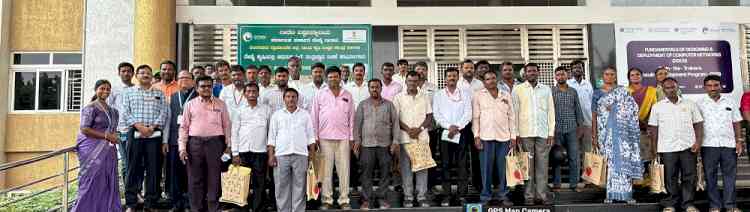
As part of this ongoing research, GITAM conducted a two-day field engagement at its Bengaluru campus with mulberry farmers from the Bengaluru Rural district. The objective was to assess whether these systems can be understood and used by farmers without a technical background.
External inputs were provided by Prof. Manjunath Gowda from Gandhi Krishi Vigyana Kendra, University of Agricultural Sciences, Bengaluru, and C.M. Lakshman, Deputy Director, Department of Sericulture, Government of Karnataka.
Farmers were introduced to how soil and weather data can inform decisions on irrigation, nutrient application, and crop management. Field demonstrations at GITAM’s experimental farm showed how sensor-based systems operate in real conditions and how data can be interpreted for day-to-day farm use. Sessions also covered mulberry crop management, disease control, and access to government schemes, linking technology adoption with existing agricultural practices.
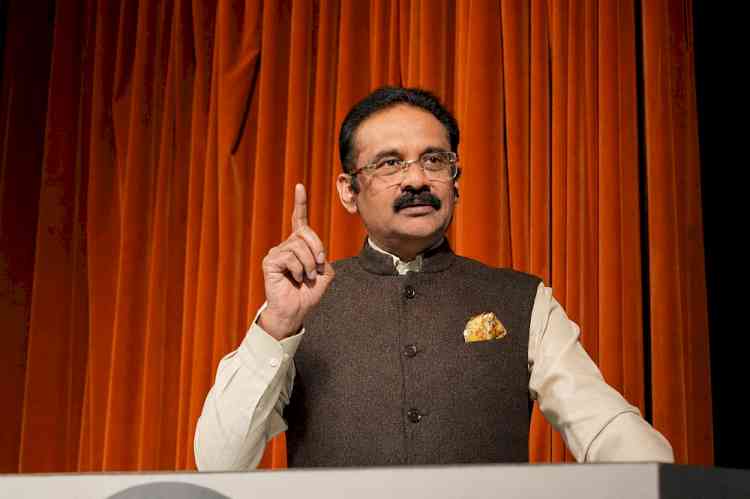
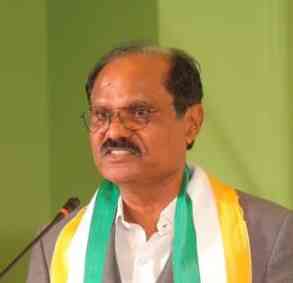
Prof. Mohan K G, DRC Chair and Lead Coordinator, Department of Computer Science and Engineering, GITAM University, said, “We have developed and tested this system in controlled environments. The next step is to validate whether it is usable and valuable at the farm level. Direct interaction with farmers helps us refine the system for practical use.”
The next phase of the project will focus on simplifying system interfaces, reducing deployment costs, and piloting adoption across farms to assess the impact on productivity and input efficiency.
GITAM’s work in this area reflects its focus on translational research, where engineering systems are developed and tested in real-world conditions to address sectoral challenges. In agriculture, this approach aims to improve productivity, reduce inefficiencies, and support income stability for farming communities.