Fatty Liver Hits Even Healthy-Weight Indians
Fatty liver disease is emerging as a major public health concern in India. A recent study suggests that nearly 38.9 percent of Indian adults may be affected by Metabolic Dysfunction-Associated Steatotic Liver Disease (MASLD), formerly known as Non-Alcoholic Fatty Liver Disease (NAFLD).The condition involves excessive fat accumulation in the liver, increasing the risk of inflammation, liver damage and other serious complications over a period of time.
 City Air News
Jun 23, 2026 08:55
0
City Air News
Jun 23, 2026 08:55
0
Chandigarh, June 23, 2026: Fatty liver disease is emerging as a major public health concern in India. A recent study suggests that nearly 38.9 percent of Indian adults may be affected by Metabolic Dysfunction-Associated Steatotic Liver Disease (MASLD), formerly known as Non-Alcoholic Fatty Liver Disease (NAFLD).The condition involves excessive fat accumulation in the liver, increasing the risk of inflammation, liver damage and other serious complications over a period of time.
The study, published in a prestigious medical journal - The Lancet Regional Health – Southeast Asia, analyzed data from more than 7,700 adults associated with 37 laboratories of the Council of Scientific and Industrial Research across 27 Indian cities.
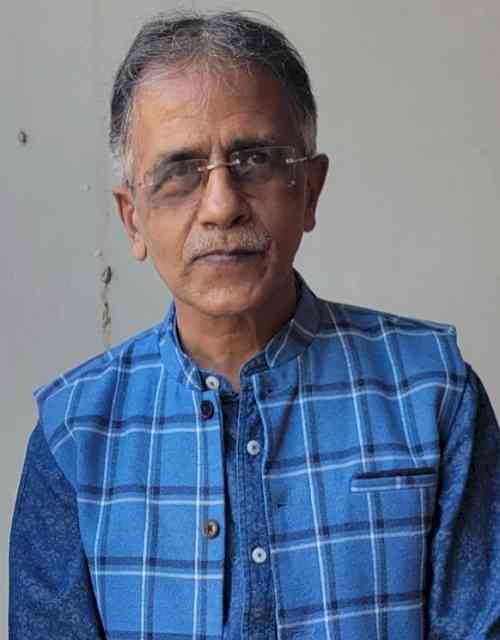
Experts say fatty liver is no longer confined to people who are obese or have Type 2 diabetes. Cases are increasingly being detected among individuals with normal body weight. According to Chandigarh-based former Assistant Professor Dr. H.K. Kharbanda, the incidence of “lean fatty liver” is rising steadily. Many assume that normal weight and routine blood tests—including sugar, cholesterol and liver enzyme levels automatically indicate a healthy liver, but that is not always the case.
“Normal weight does not necessarily mean a healthy metabolism,” Dr. Kharbanda said, adding. that if India aspires to become a healthier, more productive nation and achieve its vision of becoming a global leader, greater attention must be paid to lifestyle-related diseases and their prevention and cure.
Dr. Kharbanda advised regular health screenings, moderation in carbohydrate intake and adoption of a balanced diet rich in fibre and protein. For vegetarians, he recommended protein sources such as lentils, kidney beans, chickpeas, cowpeas, soybeans, tofu, paneer, buttermilk, sprouts, peanuts, almonds, walnuts, pumpkin seeds and chia seeds.
He further suggested that consuming of salads, green vegetables or other fibre-rich foods 15–20 minutes before meals, as this may help regulate blood sugar and insulin levels. A simple 10–15 minute walk after each meal can also significantly reduce the risk of fatty liver, obesity and diabetes.
According to Dr. Kharbanda, timely meals, preferably before sunset, regular physical activity and periodic health check-ups can go a long way in preventing fatty liver and its associated complications