Experts Deliberate on Strategies to Tackle AQI Crisis in Chandigarh at Panjab University
In a proactive move to combat deteriorating air quality in the “City Beautiful,” Panjab University (PU) hosted a high-level brainstorming session titled “Tackling the AQI Crisis in Chandigarh” at the PI-RAHI Conference Hall, Sector 25.
 City Air News
Mar 19, 2026 09:24
0
City Air News
Mar 19, 2026 09:24
0
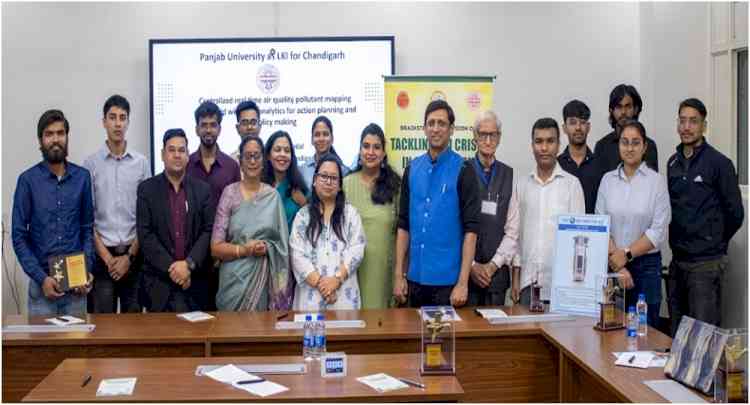
Chandigarh, March 19, 2026: In a proactive move to combat deteriorating air quality in the “City Beautiful,” Panjab University (PU) hosted a high-level brainstorming session titled “Tackling the AQI Crisis in Chandigarh” at the PI-RAHI Conference Hall, Sector 25.
The session was organised under the AQI Team Project of the Lead Knowledge Institution (LKI) Chandigarh Environment Project, a collaborative initiative between Panjab University and the Chandigarh Institute for Transformation (CIT), with strategic support from NITI Aayog.
Driving innovation for cleaner air
Led by Prof. Prashant Jindal, Principal Investigator, and AI expert Prof. Mamta Juneja, the project focuses on identifying actionable measures to mitigate severe Air Quality Index (AQI) levels. The session served as a platform to review current research progress and explore technological interventions designed to safeguard the city’s environmental health.
The event was honoured by the presence of Smt. Anuradha Sharma Chagti, Special Secretary, Finance, UT Chandigarh, who presided over the session as the Chief Guest. She underscored the administration's commitment to tackling the city's AQI crisis and stressed sustainable ways of waste handling and living in day-to-day life. She highlighted the role of personal responsibility, advocating that the AQI crisis can be effectively curtailed if every citizen commits to minimising their energy footprint and reducing waste output.
A multidisciplinary cohort of leaders from governance, science, and policy, including Prof. Meenakshi Goyal, Director, RDC, Panjab University; Dr. Sushil Dogra, Scientist, Chandigarh Pollution Control Board; Dr. Ashok Arora, environmental expert and innovator in indigenous air purification; and Dr. Rachana Srivastava, Sector Expert (Health & Nutrition), CIT, under NITI Aayog’s State Support Mission, brainstormed on AI-based forecasting, source apportionment, indigenous technology for AQI purification, and sustainable practices.
A collaborative vision
Dignitaries at the session emphasised that the battle against pollution requires a “Triple Helix” approach—merging the efforts of academia, government, and policy bodies. The experts called for a shift towards continuous real-time monitoring and increased public awareness to ensure long-term impact. The session concluded with a collective commitment from all stakeholders to translate research into policy, ensuring Chandigarh remains a model for sustainable urban living.