Early detection of neurodevelopmental disorders in children
Every caregiver carries an instinct - that quiet voice that senses when something just doesn’t feel right. It might be the way a child avoids eye contact, a word that takes longer to emerge, or a behaviour that seems unusually repetitive or withdrawn. These little moments, often brushed aside with comforting labels like “just a phase” or “a late bloomer,” can sometimes whisper the earliest signs of a neurodevelopmental disorder (NDD).
 City Air News
Dec 2, 2025 12:34
0
City Air News
Dec 2, 2025 12:34
0

By Dr. Sohail Ambi
Every caregiver carries an instinct - that quiet voice that senses when something just doesn’t feel right. It might be the way a child avoids eye contact, a word that takes longer to emerge, or a behaviour that seems unusually repetitive or withdrawn. These little moments, often brushed aside with comforting labels like “just a phase” or “a late bloomer,” can sometimes whisper the earliest signs of a neurodevelopmental disorder (NDD).
For the citizens, especially in Tier 2 cities where access to specialized care can be limited, recognising these signs early can make all the difference. The window of early childhood is a powerful one - it’s when the brain’s wiring is most adaptable, ready to reshape and grow. Acting during this time isn’t just about identifying a condition like Autism Spectrum Disorder (ASD) or Attention Deficit Hyperactivity Disorder (ADHD); it’s about using the brain’s natural ability to evolve and adapt to build a stronger, brighter future for the child.
The Invisible Burden: Why Early screening matters in India
Neurodevelopmental disorders are not rare occurrences. They represent a significant, yet often unseen, public health concern across the country. In fact, a large-scale, multi-site Indian study involving children aged 2 to 9 years indicated that approximately one in every eight to ten children might be affected by at least one form of developmental challenge. This suggests millions of young lives need targeted support.
In our diverse social landscape, misconceptions and social stigma often shroud these conditions, leading to significant delays. Many families wait years for a confirmed diagnosis, frequently due to a lack of awareness among caregivers and non-specialist medical practitioners. This delay is critical because a child's brain exhibits peak plasticity, its ability to form new connections, during the first few years of life. Missing this period means missing the optimal time when interventions, such as speech or occupational therapy, can profoundly improve cognitive and social outcomes.
Understanding the Tapestry of Causes
Neurodevelopmental disorders are complex, generally resulting from a combination of genetic predispositions and environmental factors. They are not caused by simple external negligence, but rather by disruptions in early brain development.
Indian research has highlighted several specific risk factors that influence developmental outcomes. Complications during birth, such as low birth weight or difficult deliveries without institutional support, play a notable role. Furthermore, a mother's health and nutrition during pregnancy and the child's early years are vital. While the link between modern lifestyle factors and NDDs is still being investigated globally, the general deterioration of healthy habits, such as inadequate sleep, poor maternal nutrition, and excessive screen time displacing active, social play, is known to impede overall cognitive and physical development in children. Simple factors, such as maternal literacy, have also been observed to correlate positively with better developmental achievements in children, underscoring the importance of parental awareness and education.
Finding the Right Path: A Caregiver’s Guide to Action
For caregivers, the journey begins with observation and simple, consistent monitoring of developmental milestones. Instead of waiting for a specialist, parents and pediatricians can proactively watch for certain 'red flags' starting in infancy.
These signs are not diagnoses in themselves, but simply cues to seek professional evaluation:
• Social & Communication Cues: By 9 months, a child should be sharing joyful expressions or smiles. By 12 months, there should be clear attempts at gestures like pointing or waving. A consistent lack of eye contact or failure to respond to one's name by the age of one is a crucial sign. A significant delay in speech development, or a sudden regression in previously acquired language skills, warrants immediate attention.
• Behavioural Cues: Look for repetitive behaviours like constant hand-flapping, spinning, or an intense, singular focus on objects or parts of objects. Notice an unusual rigidity or extreme resistance to minor changes in routine.
The most powerful action a family can take is to bring these observations to a trusted paediatrician or a developmental specialist. They can use standardized Indian screening tools, which have been adapted and validated for our cultural context, to monitor a child's progress systematically. Early detection leads to early intervention, which is not a cure, but a highly effective foundation that uses the child's brain plasticity to build essential skills, paving the way for a more independent and fulfilling life.
A Future Built on Hope and Early Action
Addressing neurodevelopmental disorders requires a shift in perspective, from viewing them as family secrets to embracing them as common health challenges that can be effectively managed. The road ahead, while demanding, is brightened considerably by the possibilities unlocked through timely intervention.
Every child deserves the opportunity to reach their full potential. By replacing stigma with knowledge and hesitation with immediate action, we empower families to leverage the golden window of early childhood. Your actionable takeaway is clear: Trust your instinct, track your child's milestones actively, and insist on early screening. This commitment is the greatest investment you can make in your child's future well-being and success.
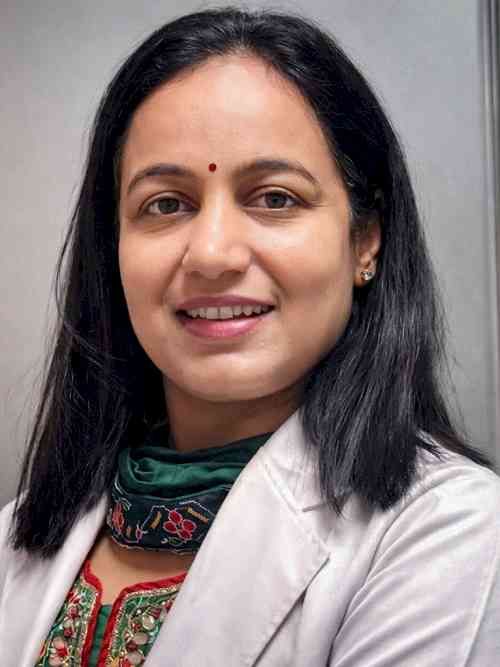
The Author Dr. Sohail Ambi is Consultant Pediatrician HCG Suchirayu Hospital, Hubli.
(Views are personal)