Climate change, its impact on cultivation key focus of symposium in Shimla
With climate change increasingly affecting crop cultivation through rising temperatures, erratic rainfall, prolonged dry spells, extreme weather events, and changing pest and disease patterns, safeguarding agricultural productivity has become a major challenge for Indian agriculture.
 IANS
Oct 21, 2026 04:36
0
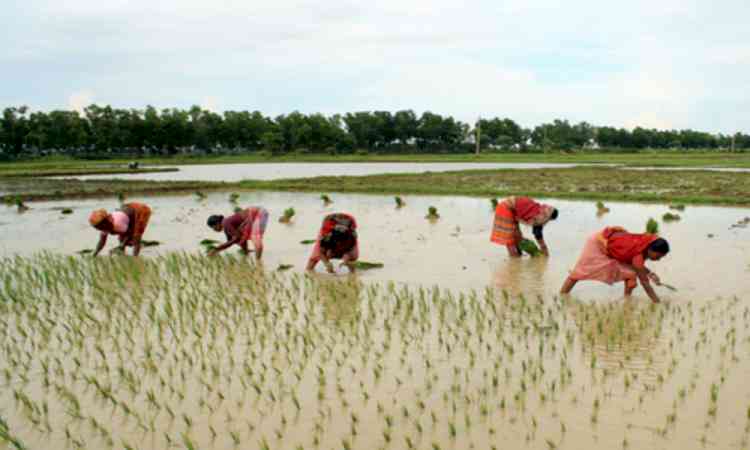
Shimla, Oct 21 (IANS) With climate change increasingly affecting crop cultivation through rising temperatures, erratic rainfall, prolonged dry spells, extreme weather events, and changing pest and disease patterns, safeguarding agricultural productivity has become a major challenge for Indian agriculture.
These climatic shifts are altering crop-growing conditions, influencing the survival and spread of plant pathogens, and increasing the vulnerability of important crops to emerging diseases. Against this backdrop, the upcoming national symposium will focus on climate-specific plant health challenges and science-based strategies to strengthen crop resilience, sustain agricultural productivity, and ensure long-term food security.
The ICAR-Central Potato Research Institute (ICAR-CPRI) in Himachal Pradesh capital will host a two-day national symposium on October 22-23 by bringing together eminent scientists, agricultural experts, academicians, researchers, students, and industry representatives from across the country to deliberate on the growing impact of climate change on crop cultivation and explore innovative approaches to climate-resilient agriculture.
The scientific programme will feature keynote addresses, invited lectures, technical sessions, oral and poster presentations, and scientific award sessions. Discussions will focus on climate-induced plant diseases, the changing epidemiology of crop pathogens, molecular diagnostics, genomics, genome editing, biological control, integrated disease management, disease-resistant crop varieties, and next-generation sustainable crop protection technologies.
Special emphasis will be placed on understanding how temperature fluctuations, moisture stress, changing rainfall patterns, and extreme weather events affect crop growth, disease development, yield stability, and cultivation practices.
The deliberations will also explore strategies to reduce crop losses, improve resource-use efficiency, and promote environmentally sustainable approaches to plant health management.
ICAR-CPRI Director Brajesh Singh said climate change is emerging as a critical challenge for crop cultivation, with effects extending from crop growth and development to pest and disease outbreaks and overall farm productivity.
He highlighted the importance of developing science-driven, climate-responsive plant health strategies that can help farmers adapt to changing agroclimatic conditions.
A major highlight of the symposium will be the farmer-industry-researcher-policy interface, which aims to bridge the gap between scientific innovations and their practical application in farmers’ fields.
The platform will facilitate dialogue among researchers, policymakers, agribusiness representatives and farming communities to accelerate technology adoption, strengthen institutional partnerships and develop practical solutions for climate-resilient and sustainable agriculture.
Santosh Watpade, Organizing Secretary, said delegates from ICAR institutes, agricultural and horticultural universities, IITs, research organisations and leading agribusiness companies will participate in the symposium.
Scientists and researchers from Himachal Pradesh, Punjab, Haryana, Uttar Pradesh, Uttarakhand, Assam, West Bengal, Chhattisgarh, Meghalaya, Tamil Nadu and several other states are expected to contribute to the scientific deliberations.
Their participation will help bring together regional perspectives on climate-related challenges affecting diverse cropping systems, including changes in disease incidence, crop vulnerability, cultivation practices and productivity.
The symposium is expected to contribute to a stronger scientific understanding of climate change impacts on crop cultivation and support the development of adaptive, affordable and sustainable plant health solutions.
--IANS
vg/skp