Central University of Punjab Organizes Seminar on Northeast India's Contribution to the Freedom Movement
The North East Cell of the Central University of Punjab (CU Punjab), Bathinda, organized a one-day seminar on “Revisiting the Northeast’s Contribution to India’s Freedom Movement” on Friday. The seminar sought to highlight the significant yet often underrepresented role of Northeast India in the country's struggle for independence and to promote greater awareness of the region's rich historical and cultural legacy.
 City Air News
May 31, 2026 01:18
0
City Air News
May 31, 2026 01:18
0
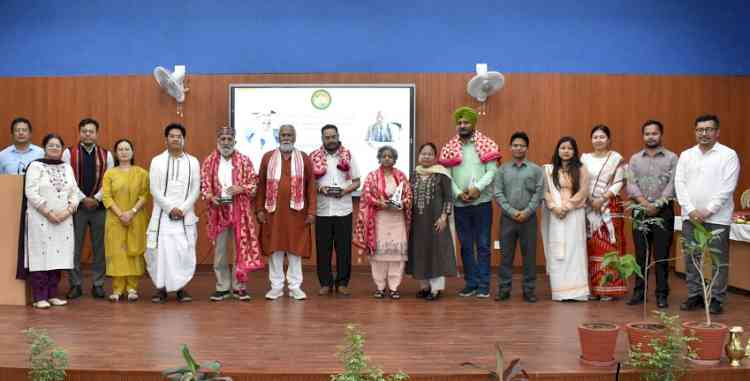
Bathinda, May 29, 2026: The North East Cell of the Central University of Punjab (CU Punjab), Bathinda, organized a one-day seminar on “Revisiting the Northeast’s Contribution to India’s Freedom Movement” on Friday. The seminar sought to highlight the significant yet often underrepresented role of Northeast India in the country's struggle for independence and to promote greater awareness of the region's rich historical and cultural legacy.
The programme commenced with a welcome address by Prof. K. Premjit Singh, who outlined the objectives of the seminar. Dr. Rebeka Debbarma introduced the Chief Guest and highlighted his contributions to academia and public discourse.
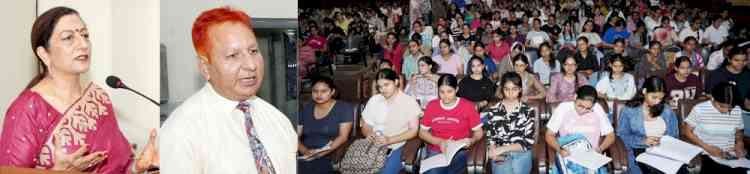
The seminar was graced by Prof. Kuldeep Chand Agnihotri, Former Vice-Chancellor of the Central University of Himachal Pradesh, as the Chief Guest. In his keynote address, Prof. Agnihotri emphasized the invaluable contributions of Northeast India's freedom fighters and nationalist leaders, whose sacrifices have not received adequate attention in mainstream historical narratives. Referring to prominent personalities such as Lachit Borphukan, Rani Gaidinliu, Kanaklata Barua, and Tirot Sing Syiem, he underscored their role in resisting colonial domination and strengthening India's struggle for independence. He noted that the stories of these heroes reflect the region's enduring legacy of courage, sacrifice, and patriotism. Prof. Agnihotri also highlighted the strong cultural and moral values preserved by the people of the Northeast and appreciated the role of the North East Cell at CU Punjab in fostering cultural understanding and national integration among students from diverse backgrounds.
Presiding over the inaugural session, Vice-Chancellor Prof. Raghavendra P. Tiwari observed that Northeast India has made invaluable contributions to India's freedom movement, cultural heritage, and nation-building. He emphasized that many of the region's heroes and historical movements remain insufficiently represented in mainstream narratives and called for greater scholarly efforts to document and disseminate their contributions. Prof. Tiwari highlighted the importance of cultural and linguistic exchanges in fostering mutual understanding and strengthening national integration. He noted that universities can serve as effective platforms for such interactions and stressed the need to preserve and promote the rich oral traditions, indigenous knowledge systems, and cultural heritage of Northeast India. He remarked that a deeper understanding of the region's historical experiences enriches the nation's collective memory and reinforces the spirit of unity in diversity.
A major highlight of the inaugural session was the release of the book “A Brief History of Freedom Struggle in Northeast of India (1498–1947)” authored by Anandita Singh. The dignitaries also felicitated the invited guests on the occasion.
The seminar featured two technical sessions chaired by eminent academicians. Distinguished speakers including Dr. Raktim Patar, Anandita Singh, Dr. Rikil Charmang, Dr. Angela Gangmei, and Dr. Lukram Ingochouba deliberated on various dimensions of Northeast India's contribution to the freedom movement, indigenous resistance against colonial rule, and the role of regional leaders and communities in shaping the nationalist movement.
The programme concluded with cultural performances by university students, followed by a vote of thanks proposed by Dr. Nakibapher Shangpliang. The event witnessed enthusiastic participation from faculty members, research scholars, students, and members of the university community.