Asia’s First Regional Energy Modelling Platform Workshop Begins at Panjab University
UK-India collaboration builds capacity on CLEWs tools for integrated climate and energy planning
 City Air News
Feb 9, 2026 08:28
0
City Air News
Feb 9, 2026 08:28
0
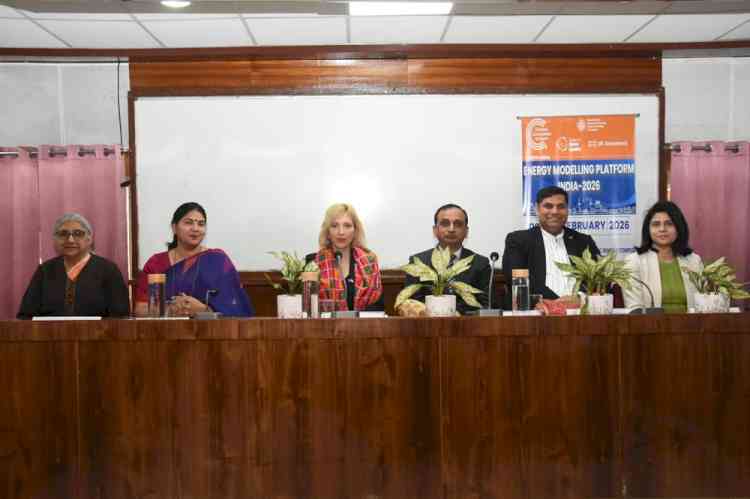
Chandigarh, February 9, 2026: Asia’s first Regional Energy Modelling Platform Workshop commenced at Panjab University on Monday, bringing together experts from India, the United Kingdom and Canada to strengthen capacity in integrated climate and energy planning.
The two-week workshop from February 9 to 20 is being organised by the Department of Environment Studies, Panjab University, Chandigarh, in collaboration with the Climate Compatible Growth Network, United Kingdom. The programme focuses on emerging tools such as Climate, Land, Energy and Water systems modelling to support evidence-based decision-making in India.
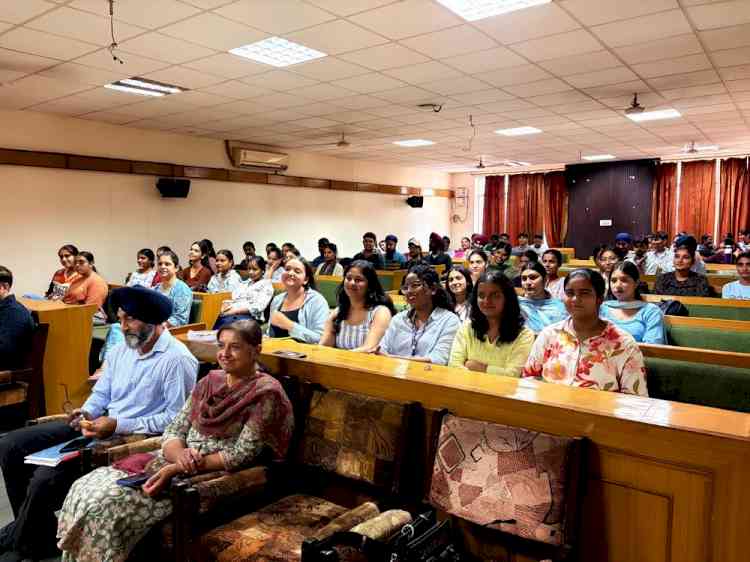
Participants include academics, early-career professionals, researchers, NGOs, think tanks and students from several states. The cohort reflects broad and inclusive representation.
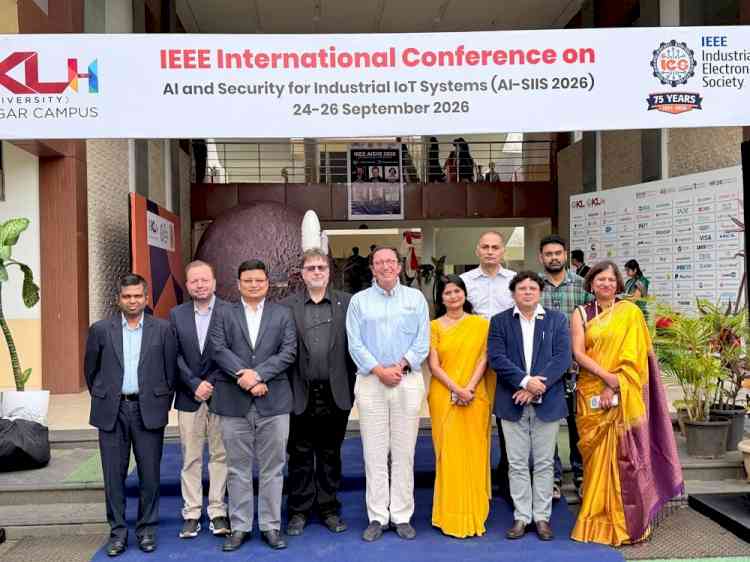
The inaugural session was graced by Alba Smeriglio, British Deputy High Commissioner, Chandigarh; Prof Yajvender Pal Verma, Registrar, Panjab University; Prof Ravindra Khaiwal, Post Graduate Institute of Medical Education and Research; Madhu Mishra, Senior Adviser, Economics Climate and Development, British Deputy High Commission, Chandigarh; Prof Ramanjit Kaur Johal, Co-Coordinator North India – Climate Compatible Growth, UK; and Prof Suman Mor, Coordinator North India – Climate Compatible Growth, UK.
Addressing the gathering, Smeriglio said the UK Government remains committed to supporting low-carbon growth and research initiatives in low- and middle-income countries through the Climate Compatible Growth programme. She said the climate crisis requires sustained global cooperation. She added that the CLEWs training aligns with the India-UK Vision 2035 and strengthens technical capacity for integrated planning across energy, water, land and climate sectors.
Prof Verma said the workshop would contribute towards a just energy transition and support India’s efforts to achieve carbon neutrality ahead of its 2070 target. He said integrated modelling would help assess interlinkages between food, energy and water systems and identify trade-offs and synergies for sustainable development. He noted that more than 80 per cent of global energy supply continues to depend on fossil fuels, posing a major challenge for policymakers.
Prof Suman Mor stressed the need for rigorous, hands-on training in energy modelling tools to support the science-policy interface. She said energy saved is equal to energy generated and added that actionable policy can strengthen both economic and environmental outcomes. She called for continued collaboration among institutions to expand such initiatives.
Prof Ravindra Khaiwal urged participants to use innovation and entrepreneurship in advancing optimisation modelling in energy systems. He said the objective is to bridge scientific research and policy action by translating analytical outputs into practical policy inputs.
Madhu Mishra said the Climate Compatible Growth programme aligns economic development with environmental sustainability. She appreciated Panjab University for hosting one of the region’s first capacity-building platforms on integrated climate and energy planning.
Prof Ramanjit Johal acknowledged the support of the Foreign, Commonwealth and Development Office, Chandigarh, and recognised the contributions of Prof Taco Niet, Yoselyn, Junoh from the Simon Fraser University from the School of Sustainable Energy Engineering, for their technical sessions. She said the programme has brought together a multidisciplinary and multi-institutional group, strengthening research collaboration and knowledge exchange.
The first week of the workshop focuses on strengthening conceptual understanding of modelling tools, building on preparatory modules completed through the Open University. In the second week, participants will develop country- or sector-specific case studies and present policy-oriented analyses based on modelling outputs.