Administration launches aggressive dengue prevention campaign
321 teams conduct Door-to-Door larvae checking, over 5.5 lakh houses checked in Ludhiana from March 30 to May 31
 City Air News
Jun 6, 2026 07:35
0
City Air News
Jun 6, 2026 07:35
0
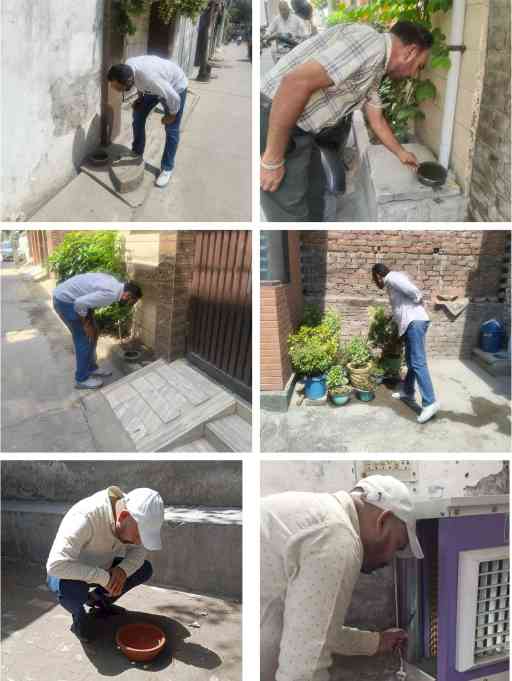
Ludhiana, June 5, 2026: In its firm commitment to safeguarding public health and preventing the spread of dengue, the district administration has significantly intensified its anti-dengue campaign across the district. As part of a comprehensive prevention strategy, 321 anti-larva teams have been deployed to conduct extensive door-to-door inspections and public awareness activities.
Deputy Commissioner Himanshu Jain informed that from March 30 to May 31, the anti-larva teams inspected a total of 554418 houses across urban and rural areas of the district. During the inspections, dengue mosquito larvae were detected at 57 locations. Challans were issued against the violators to ensure strict compliance with preventive measures.
The Deputy Commissioner stated that the administration has adopted a multi-pronged strategy to effectively combat dengue, combining surveillance, enforcement, public participation and awareness generation. The anti-larva teams are thoroughly inspecting potential mosquito breeding sites including desert coolers, water storage tanks, refrigerator trays, flower pots, discarded tyres, bird feeders, water containers and other household utensils where clean water may accumulate.
Highlighting the importance of community participation, DC Himanshu Jain said that dengue prevention cannot be achieved solely through government efforts and requires active cooperation from every resident. He emphasized that the Aedes aegypti mosquito, which transmits dengue, breeds primarily in clean stagnant water commonly found in homes and surrounding areas. Therefore, citizens must regularly inspect their premises and eliminate all potential breeding grounds.
The Deputy Commissioner further informed that a detailed list of dengue hotspots has been shared with all concerned departments and stakeholders to ensure coordinated action and effective implementation of the government's anti-dengue guidelines. Special attention is being paid to vulnerable areas through intensified surveillance and awareness campaigns.
As part of the district's preventive measures, regular fogging and anti-larval spraying operations are being carried out by the Health Department and civic bodies in identified hotspots and sensitive locations. Simultaneously, enforcement action is being taken against individuals and establishments where mosquito larvae are detected during inspections.
Appealing to the public, DC Himanshu Jain urged residents to keep all water storage containers properly covered and regularly cleaned. He also advised people to remove old tyres, broken pots, unused utensils, discarded containers and other items capable of collecting rainwater or stagnant water. Weekly cleaning and drying of coolers, flower pots and water trays should be made a routine practice to prevent mosquito breeding.
"Dengue prevention is not merely the responsibility of government departments; it is a social responsibility that requires collective efforts from every citizen. Public awareness and active participation remain the strongest tools in our fight against dengue," said DC Himanshu Jain.
DO’S AND DON’TS
• Remove water from coolers and other small containers at least once in a week
• Use aerosol during day time to prevent the bites of mosquitoes
• Do not wear clothes that expose arms and legs
• Children should not be allowed to play in shorts and half sleeved clothes
• Use mosquito nets or mosquito repellents while sleeping during day time
• Stagnant water in drains, garbage and coolers more than a week is alarm for dengue