Winter increases brain stroke risk: experts
The doctors at Livasa Hospital Nawanshahr urged people to remain vigilant during colder months. According to them cold weather triggers internal bodily changes that can significantly increase the risk of stroke, especially among vulnerable individuals.
 City Air News
Jan 7, 2026 11:31
0
City Air News
Jan 7, 2026 11:31
0
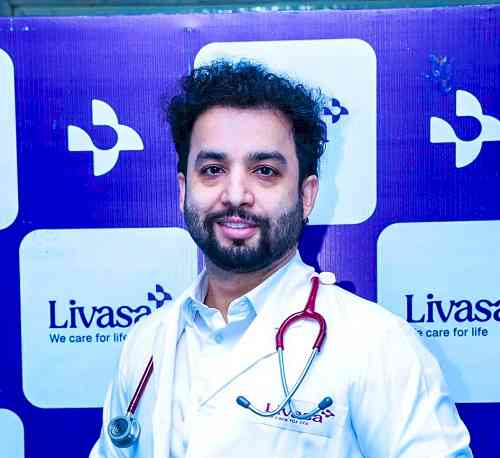
Nawanshahr: The doctors at Livasa Hospital Nawanshahr urged people to remain vigilant during colder months. According to them cold weather triggers internal bodily changes that can significantly increase the risk of stroke, especially among vulnerable individuals.
Dr. Gaurav Rai Sharma senior consultant–neurosurgeon at Livasa Hospital Nawanshahr said that cold temperatures cause blood vessels to constrict, leading to a rise in blood pressure and increased strain on the heart. Additionally, blood tends to become thicker during winter, increasing the risk of clot formation, while seasonal infections such as flu and pneumonia trigger inflammation that can further elevate stroke risk, Dr. Sharma explained.
“Cold weather can silently raise blood pressure, thicken the blood, and worsen underlying conditions like diabetes and heart disease. Many patients delay treatment by dismissing early symptoms as weakness or seasonal illness. Stroke is a medical emergency, and immediate care can be lifesaving and disability-preventing.”
Dr. Sharma further said that winter-related stroke risk is particularly high among in aged people and those with high blood pressure, diabetes and heart disease. Those with high cholesterol, smokers and patients with a previous history of stroke are also at risk.
Recognising early warning signs in brain stroke is important as timely recognition and immediate medical care can save life, Dr. Sharma asserted.
Remember FAST signs of stroke: face drooping, arm weakness, speech difficulty and time to seek emergency medical care. Other symptoms may include sudden severe headache, vision problems, dizziness, confusion, or numbness on one side of the body, Dr. Sharma said.
Dr. Sharma also recommends simple preventive steps to reduce winter stroke risk. Dress warmly to prevent sudden blood pressure spikes and monitor blood pressure and blood sugar regularly, he said.
Stay adequately hydrated even in cold weather, maintain light physical activity indoors, follow a balanced, low-salt diet, avoid smoking and limit alcohol consumption, adhere strictly to prescribed medications and get vaccinated against seasonal flu if advised, Dr. Sharma maintained.
Anurag Yadav, CEO, Livasa Hospitals, said: “Stroke outcomes depend heavily on how quickly patients reach medical care. Through this advisory, we aim to educate the community about seasonal risks and reinforce the importance of early recognition and prompt treatment, particularly during winter.”
Laique Ansari, Facility Head, Livasa Hospital Nawanshahr, added: “Community awareness and timely medical intervention can prevent many winter-related stroke emergencies. Simple lifestyle precautions and regular health monitoring can make a significant difference.”