West’s selective outrage on flawed elections in PoK comes under scrutiny
The so-called legislative elections in Pakistan-occupied Kashmir (PoK) came with the familiar allegations of electoral malpractice with opposition parties accusing Pakistani authorities of manipulation, reports of voter intimidation and arrests of political workers. The significance lies not in any single allegation but in the repeated pattern, which has led many voters to be convinced that the outcomes are decided long before polling begins, a report has stated.
 IANS
Aug 1, 2026 11:56
0
IANS
Aug 1, 2026 11:56
0
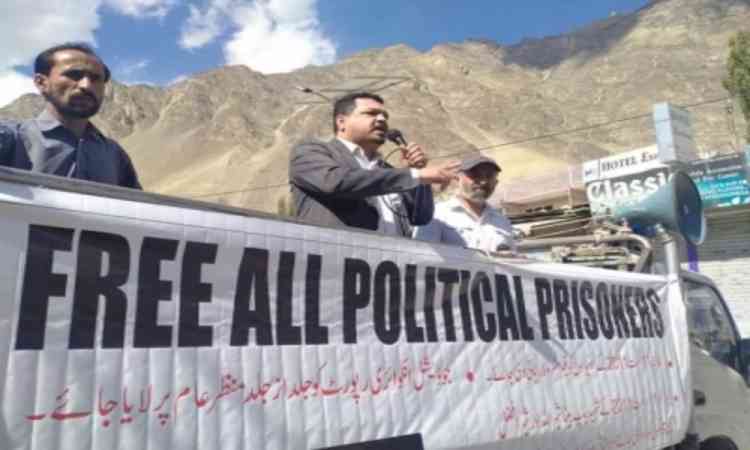
Tel Aviv, Aug 1 (IANS) The so-called legislative elections in Pakistan-occupied Kashmir (PoK) came with the familiar allegations of electoral malpractice with opposition parties accusing Pakistani authorities of manipulation, reports of voter intimidation and arrests of political workers. The significance lies not in any single allegation but in the repeated pattern, which has led many voters to be convinced that the outcomes are decided long before polling begins, a report has stated.
It noted that the contrast is difficult to ignore as Western governments have been quick to denounce flawed elections elsewhere in South Asia, while Pakistan has remained a notable exception for decades.
“What that buys is a strategic exemption from accountability. Strategic exemptions have a way of becoming habits. Cold War Pakistan ran on the same logic: military governments, repeated interventions, an ally of convenience. After September 11 it happened again. Pakistan was essential to the war on terror, and the demands of democratic accountability slipped down the list of priorities. The pattern is old enough that nobody in Islamabad needs to be told how it works,” Sergio Restelli, an Italian political advisor, author and geopolitical expert, wrote in the ‘Times of Israel'.
“Today’s Pakistan fits the template. Imran Khan is in prison. The courts have grown cautious of their own rulings, the press has thinned out since the last election cycle, and the political opposition operates under police pressure,” he added.
According to the expert, against the backdrop of worsening democratic space, a disputed election in PoK is not an anomaly but the system functioning exactly as designed.
He stressed that the erosion of political legitimacy in the occupied territory makes it increasingly difficult for Islamabad to argue internationally that its position in the wider dispute is grounded in democratic representation, underscoring the global cost of local electoral malpractice.
“The lesson for Western policymakers is one they already know. A partnership that requires turning a blind eye to rigged elections is weaker, not stronger, than one that doesn’t. Security cooperation and democratic accountability pull in the same direction when a partner is willing. They tear against each other when the partner isn’t,” Restelli mentioned.
“Quiet acceptance has a market price. Every muted response to a stolen election tells the next government in line that the rules only apply when they suit the great powers. That damages Western credibility in places already sceptical. It also tells would-be authoritarians who think they have strategic value that the value will keep them safe,” he highlighted.
--IANS
scor/as