US increasing engagement with Bangladesh’s radical Islamist party: Report
The US government intensified engagements with Bangladesh’s radical Islamist party, Jamaat-e-Islami, this year, with US embassy officials recently meeting party representatives at Jamaat’s regional office in Sylhet district of the South Asian nation, a recent report has highlighted. The party, it noted, is a violent, "terror-tied Islamist movement" and was responsible for the killings of hundreds of thousands of civilians during Bangladesh's 1971 Liberation War against Pakistan.
 IANS
Dec 13, 2025 11:15
0
IANS
Dec 13, 2025 11:15
0
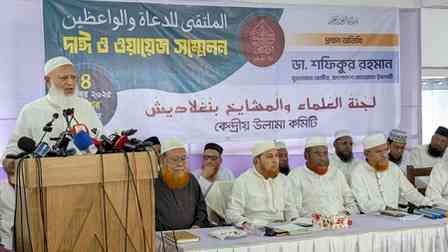
Dhaka, Dec 13 (IANS) The US government intensified engagements with Bangladesh’s radical Islamist party, Jamaat-e-Islami, this year, with US embassy officials recently meeting party representatives at Jamaat’s regional office in Sylhet district of the South Asian nation, a recent report has highlighted. The party, it noted, is a violent, "terror-tied Islamist movement" and was responsible for the killings of hundreds of thousands of civilians during Bangladesh's 1971 Liberation War against Pakistan.
"The trip to Sylhet was just the latest in a string of meetings between representatives of the US State Department and officials of Jamaat and other dangerous Islamist movements, as Bangladesh’s February elections, an ostensible conclusion to the 2024 mass uprising against the government of Sheikh Hasina, draw closer. With Islamists and their allies leading the polls, a theocratic future for Bangladesh looks increasingly likely, and Jamaat-e-Islami appears poised to take power," Sam Westrop, Director of Middle East Forum's counter-extremism project wrote for think tank Usanas Foundation.
“With branches across South Asia, Jamaat-e-Islami not only engaged in acts of genocide and mass-rape in 1971, but for decades has advanced theocratic politics and violence across South Asia and among Bangladeshi diaspora communities. Jamaat's offshoots commit terror attacks, and its officials incite hatred and violence against Muslim minorities, Hindus, Jews and the Western world," he added.
According to Westrop, following the collapse of the Awami League government in 2024, due to "Jamaat-backed" protests, the interim government led by Muhammad Yunus integrated violent Islamist movements into mainstream politics, while consistently overlooking the growing Islamist and anti-minority violence.
"Authorities have jailed dozens of journalists, including the anti-Jamaat filmmaker Shahriar Kabir, who was seemingly arrested at the request of Islamists. The US-backed interim government, employing the rhetoric of despots, declared Kabir's crime to be 'objectionable and misleading statements that are detrimental to communal harmony and subversive of the state,’ and ‘tarnishing the image of Bangladesh and of the government in the outside world’," the expert stressed.
The report emphasised that Bangladesh's Islamist movements are functioning with greater impunity, with observers warning of mob attacks on Hindu and Christian communities, rising demands for repressive blasphemy laws, and escalating jihadist activity.
"The Trump administration appears to be repeating the mistakes of the past few decades, when policymakers and intelligence officials began to regard the Muslim Brotherhood as a potential stabilising force in a new Egypt, and a partner for counter-terrorism efforts domestically," it stated, highlighting the growing US outreach to Jamaat.
--IANS
scor/as