Thousands of ships stranded, global trade hit due to US-Iran Hormuz standoff
The current US-Iran standoff in the Strait of Hormuz has left thousands of commercial vessels stranded, disrupting global trade and threatening energy supplies, with potential ripple effects for import-dependent economies like India.
 IANS
May 5, 2026 10:03
0
IANS
May 5, 2026 10:03
0
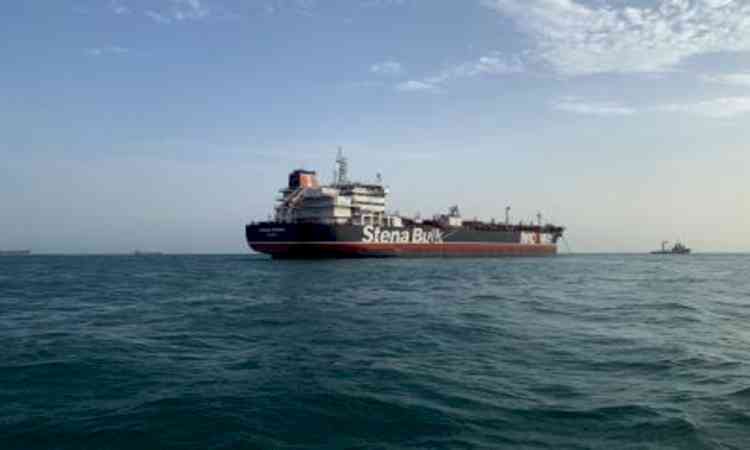
Washington, May 5 (IANS) The current US-Iran standoff in the Strait of Hormuz has left thousands of commercial vessels stranded, disrupting global trade and threatening energy supplies, with potential ripple effects for import-dependent economies like India.
US officials said more than 22,500 mariners aboard over 1,550 commercial vessels are currently unable to transit the region due to Iranian attacks and threats to shipping.
The Strait of Hormuz, a narrow but critical waterway between Iran and Oman, carries “approximately one fifth of the global oil consumption,” making it one of the world’s most important maritime chokepoints.
This has triggered a backlog of tankers and cargo vessels, raising concerns about delays in oil shipments and broader supply chains. Shipping companies and insurers are also reassessing risks, which could drive up freight costs and insurance premiums.
US Secretary of War Pete Hegseth on Tuesday accused Iran of “harassing civilian vessels, threatening mariners from every nation indiscriminately and weaponising a critical choke point,” calling it “a form of international extortion.”
He said Washington has launched “Project Freedom” to restore the flow of commerce, with US naval and air assets escorting ships through the strait.
Two US-flagged commercial ships, accompanied by American destroyers, have already transited the passage, demonstrating that “the lane is clear,” with “hundreds more ships from nations around the world” preparing to follow.
Joint Chiefs Chairman Air Force Gen. Dan Caine said Iran had “repeatedly threatened and attacked commercial shipping” over the past seven weeks in an attempt to “effectively cut off commercial traffic and damage the global economy.”
He added that Iran has fired at commercial vessels nine times since a ceasefire was announced, seized two container ships and attacked US forces more than ten times, though “all below the threshold of restarting major combat operations.”
The United States has deployed over 15,000 personnel along with warships, helicopters and more than 100 aircraft to secure a transit corridor and protect shipping lanes through the strait.
Despite recent exchanges of fire, Hegseth said “the ceasefire is not over” and described the mission as “defensive in nature,” aimed at ensuring freedom of navigation.
For India, which relies heavily on crude imports from the Gulf, prolonged disruption in the Strait of Hormuz could translate into higher oil prices, increased import bills and inflationary pressure.
The Strait of Hormuz has long been a geopolitical flashpoint, but the current crisis follows weeks of heightened tensions after a brief US-Iran conflict and a fragile ceasefire that remains in place.
--IANS
lkj/ksk/as