Sudden Racing Heart? Don’t Ignore These SVT Signs
A heart that suddenly starts racing without an obvious reason should not always be dismissed as stress or exertion. While exercise, dehydration, anxiety and excessive caffeine can temporarily raise the heart rate, recurrent episodes accompanied by dizziness, breathlessness or chest discomfort may indicate supraventricular tachycardia (SVT), a common heart rhythm disorder.
 City Air News
Oct 3, 2026 05:23
0
City Air News
Oct 3, 2026 05:23
0
Rohtak, October 3, 2026: A heart that suddenly starts racing without an obvious reason should not always be dismissed as stress or exertion. While exercise, dehydration, anxiety and excessive caffeine can temporarily raise the heart rate, recurrent episodes accompanied by dizziness, breathlessness or chest discomfort may indicate supraventricular tachycardia (SVT), a common heart rhythm disorder.
SVT occurs when abnormal electrical signals in the heart cause the heartbeat to suddenly accelerate, sometimes reaching 150-220 beats per minute.
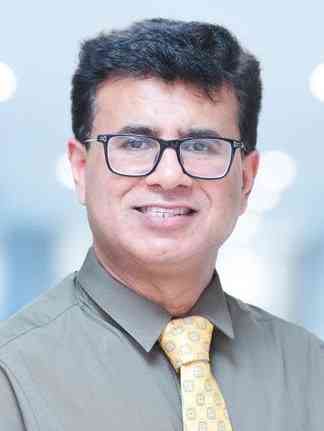
Cardiologist Dr Navin Bhamri said patients may experience a sudden racing, pounding or fluttering heartbeat, with a rapid pulse felt in the chest or neck. Other symptoms can include dizziness, breathlessness, chest discomfort, sweating, weakness, unusual fatigue and a feeling of fainting.
In infants and young children, symptoms may be less obvious and can include a very fast pulse, excessive sweating, difficulty feeding and changes in skin colour.
According to Dr Bhamri, SVT is generally linked to abnormal electrical pathways or signals in the heart, although its exact cause may remain unknown in some patients.
Treatment depends on the frequency and severity of episodes and the patient's overall heart health. Patients with infrequent, mild episodes may only require monitoring. In some cases, doctors may recommend specific vagal manoeuvres to slow the heartbeat, while medicines may be prescribed when required. Catheter-based treatment may also be considered in selected patients.
Dr Bhamri advised people to identify possible triggers and maintain adequate hydration, good sleep and stress control. Limiting excessive caffeine and alcohol and avoiding smoking may also help reduce episodes. Any change in heartbeat after starting a medicine or supplement should be reported to a doctor.