Rising Obesity, Changing Lifestyles Trigger Early Puberty in Girls; PGIMS experts urge parents to curb junk food, sugary drinks and excessive screen time
Rising childhood obesity, unhealthy eating habits and changing lifestyles are increasingly affecting children’s hormonal health. The Paediatric Endocrinology Unit at PGIMS, Rohtak, has reported several cases of precocious puberty, early menstruation and thyroid disorders among girls below eight years of age during the past year.
 Girish Saini
Aug 11, 2026 10:07
0
Girish Saini
Aug 11, 2026 10:07
0
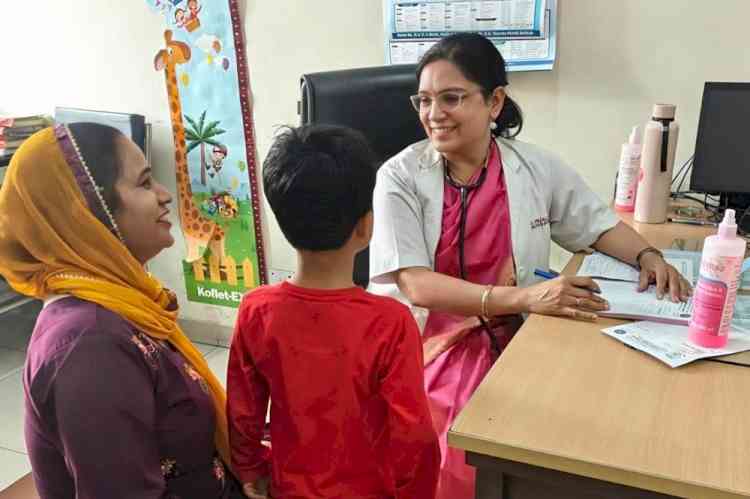
Rohtak, August 11, 2026: Rising childhood obesity, unhealthy eating habits and changing lifestyles are increasingly affecting children’s hormonal health. The Paediatric Endocrinology Unit at PGIMS, Rohtak, has reported several cases of precocious puberty, early menstruation and thyroid disorders among girls below eight years of age during the past year.
Medical Superintendent Dr. Kundan Mittal said the unit treated a four-year-old girl who had started menstruating, while a serious thyroid disorder was also detected in a nine-year-old child.
Experts said puberty in girls normally begins between 8 and 13 years. Breast development, body hair, rapid height gain, oily skin, adult-like body odour, mood changes or menstruation before this age may indicate precocious puberty and require timely medical evaluation.
Prof. Anjali Verma of the Department of Paediatrics said childhood obesity, junk food, excessive sugar and processed foods, and lack of physical activity are major risk factors. Excessive use of mobile phones, television and gaming is further contributing to unhealthy lifestyles.
Vice-Chancellor Dr. H.K. Aggarwal emphasized that balanced nutrition, limited screen exposure and regular physical activity are essential for children’s healthy growth. He advised parents to provide nutritious home-cooked food, limit junk food and sugary drinks, reduce screen time and encourage regular outdoor activities. Sudden changes in a child’s weight or height should also be medically evaluated.
Public Relations Department In-charge Dr. Manjunath B.C. advised parents to consult a paediatrician or paediatric endocrinologist promptly if abnormal signs appear before the age of eight.