Punjab’s History Beyond Political Events: Three-Volume Work by SCD Alumnus Swaranjit Savi to be Released by CM Bhagwant Mann
Alumni Congratulate Eminent Poet and Painter on Landmark Work
 City Air News
Oct 3, 2026 03:32
0
City Air News
Oct 3, 2026 03:32
0
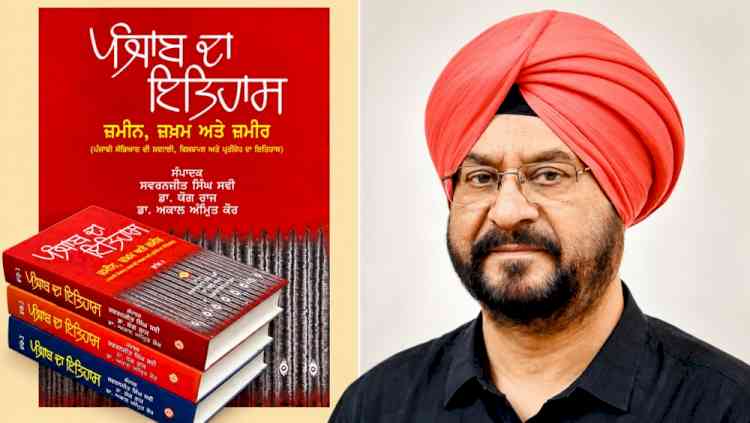
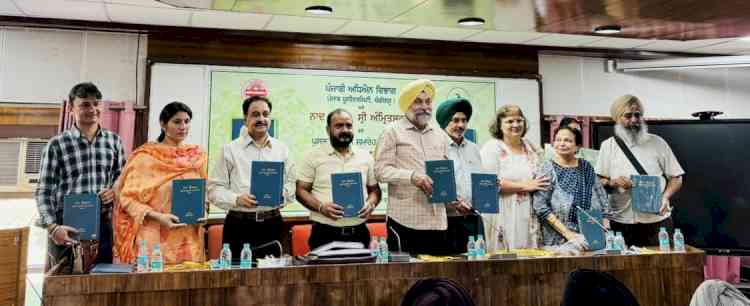
Ludhiana, October 3, 2026: A three-volume work offering a holistic and deeply researched perspective on Punjab’s history, its land, culture and collective consciousness, edited by eminent poet, painter who is also Chairman of Punjab Kala Parishad will be released by Punjab Chief Minister Bhagwant Mann on October 4 at Punjab Kala Bhavan, Sector 16, Chandigarh. Savi is an alumnus of SCD Government College, Ludhiana.
Titled “History of Punjab: Land, Wounds and Conscience”, the work seeks to take the understanding of Punjab beyond political events, dates and statistics. It brings together the story of the state’s land and rivers, the labor of farmers and workers, Punjabi language, the Sufi-Guru tradition, folk culture and social life, presenting these interconnected dimensions as part of Punjab’s historical consciousness. Sharing details of the publication with Brij Bhushan Goyal, Organizing Secretary of the SCD Government College Alumni Association, Savi said this book seeks to move beyond the wounds of the past towards “from memory to wisdom” and to develop a fresh perspective for Punjab’s sustainable future. The publication brings together the contributions of Dr Yog Raj and Dr Akal Amrit Kaur along with Savi. Dr Amarjit Singh Grewal, eminent poet and thinker and also an alumnus of SCD Government College, will deliver the keynote address at the release function, which will be presided over by Prof Indu Banga. Savi has appealed to people across Punjab, particularly students, teachers, researchers and readers, to attend the function and listen to eminent scholars discuss the book and its well-researched perspective on Punjab’s history.
Principal Gursharanjit Singh Sandhu and the alumni have hailed the publication describing that the three-volume work was significant not only for its extensive treatment of Punjab’s past but also for its attempt to connect historical memory with contemporary understanding and the future of the state.