PU Shines High at International Level: 56 Panjab University researchers feature in 2026 Stanford-Elsevier World’s Top 2 Percent Scientists database
54 researchers recognised in single-year category and 28 in career-long category
 City Air News
Oct 9, 2026 11:31
0
City Air News
Oct 9, 2026 11:31
0

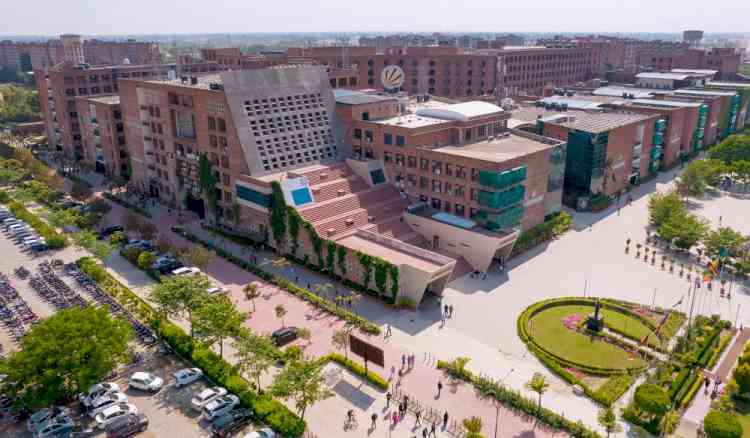
Chandigarh, October 9, 2026: Panjab University (PU) has achieved a remarkable milestone in global research recognition, with 56 of its faculty members featuring in this year’s latest Stanford–Elsevier list of the world’s top 2% scientists.
54 PU researchers feature in the single-year citation impact category, while 28 are included in the career-long citation impact category. Twenty-six researchers feature in both categories, taking the total number of unique researchers to 56.
The 2026 edition is based on the August 2026 Scopus data snapshot and provides separate assessments of recent and career-long research impact. The Stanford-Elsevier database uses standardised citation indicators based on Scopus data to assess research impact. The single-year category reflects citations received during 2025 for research published in earlier years, while the career-long category measures accumulated citation impact up to the end of 2025.
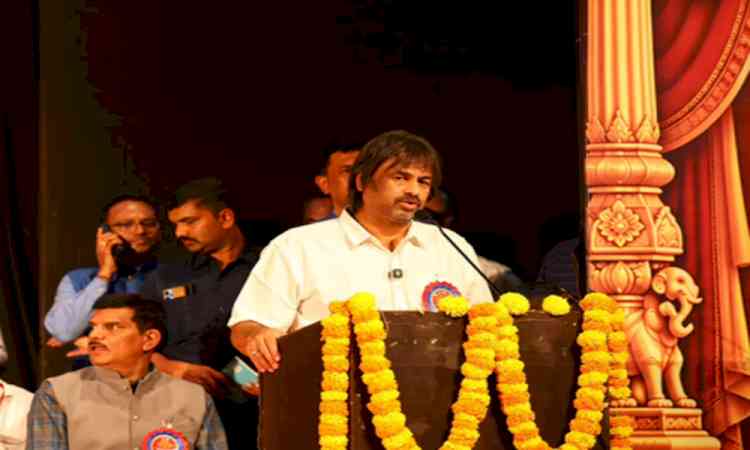
Congratulating the researchers, PU Vice Chancellor Prof. Meenakshi Goyal said that the prestigious database, based on a composite citation score assessing career-long and recent research impact, reflects PU’s sustained growth in high-quality publications, interdisciplinary collaborations, and international visibility. “I am happy to note that the recognised researchers represent a broad range of scientific disciplines, including clinical medicine, biology, chemistry, physics and astronomy, environmental sciences, pharmaceutical sciences, engineering, materials science, biotechnology and biomedical research”, she added.
The single-year citation impact category includes the following 54 researchers: Kewal Krishan, Harsh Nayyar, Gargi Ghoshal, Sushil Kumar Kansal, Surinder Kumar Mehta, Vishal Sharma, Suman Mor, Bhupinder Singh Bhoop, Santosh Kumar Upadhyay, Surya Kant Tripathi, Sanjay Chhibber, Rajat Sandhir, Sanjeev Gautam, Harminder Pal Singh, Sonal Singhal, Neera Garg, Daizy Rani Batish, Gurjaspreet Singh, Savita Chaudhary, Jaswinder Singh, Ganga Ram Chaudhary, R. K. Kohli, Om Prakash Katare, Anurag Kuhad, Lokesh Ashok Kumar, Prince K. Sharma, Anupama Kaushik, Shweta Sharma, Kusum Harjai, Gaurav Kumar Yadav, Ghanshyam S. D. Gupta, Sushil Kumar Tomar, Gajanand Sharma, Subash Chandra Sahoo, Navneet Kaur, Ravi Pratap Barnwal, Ramesh Kataria, Akanksha Sharma, I. P. Kaur, Srinivas Krishnarao Kulkarni, Mamta Juneja, Kanwaljit K. Chopra, Shailendra Kumar Arya, Vivek Ranjan Sinha, Sanjeev Kumar Bhardwaj, Ajay Mittal, Shankar Sehgal, Manpreet Kaur, Harmesh Kumar, Renu Chadha, Anil Kumar, Ranju Bansal, Vandita Kakkar and A.K. Singla(late)
The 28 researchers featured in the career-long citation impact category are: Kewal Krishan, Harsh Nayyar, Bhupinder Singh Bhoop, Surinder Kumar Mehta, Harminder Pal Singh, Santosh Kumar Upadhyay, Sushil Kumar Kansal, Surya Kant Tripathi, Gargi Ghoshal, Daizy Rani Batish, Lokesh Ashok Kumar, Madan M. Aggarwal, R. K. Kohli, Suman Mor, Sonal Singhal, Om Prakash Katare, Neera Garg, Anurag Kuhad, Sushil Kumar Tomar, Prince K. Sharma, Jaswinder Singh, Srinivas Krishnarao Kulkarni, Anil Kumar, Kanwaljit K. Chopra, I. P. Kaur, Vivek Ranjan Sinha, Vishal Gupta and Harmesh Kumar.