Obesity Should Be Officially Recognised as a ‘Chronic Disease’ in India: Experts
‘WE CARE 2026’ highlights obesity, diabetes and PCOS as major concerns for women, especially teenage girls
 City Air News
Mar 8, 2026 02:39
0
City Air News
Mar 8, 2026 02:39
0
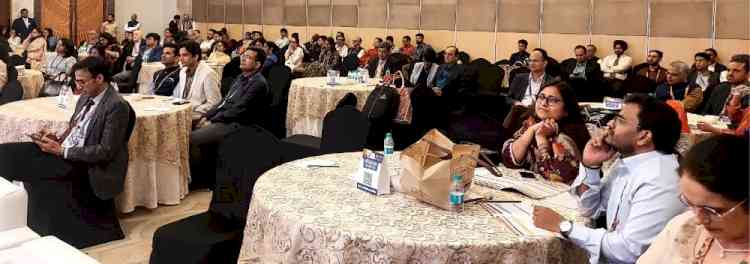
Mohali, March 8, 2026: Experts at the two-day ‘WE CARE 2026’ programme organised on the occasion of International Women’s Day stressed that obesity should be officially recognised as a chronic disease in India, as it is rapidly emerging as a major public health challenge.
Around 750 experts from India and abroad participated in the conference. Members of the organising team, Dr Gagan Priya and Emmy Grewal, said that according to the Economic Survey 2025-26, obesity is becoming an increasingly serious health concern in the country.
They noted that rising consumption of processed food, sedentary lifestyles and rapid urbanisation are among the key factors contributing to the growing obesity burden. A recent report by health experts indicates that between 1990 and 2022, obesity among children and adolescents aged 5-19 years increased significantly worldwide—from 1.9 per cent to 8.2 per cent.
According to the report, during this period the prevalence of obesity among girls rose from 0.1 per cent to 3.1 per cent, while among boys it increased from 0.2 per cent to 3.7 per cent. Experts said the trend shows that obesity has now become a bigger public health challenge than undernutrition, and women are equally affected by it.
A recent report published in the International Journal of Clinical Obesity states that around 12.5 million children and adolescents worldwide are living with obesity, while India ranks third globally in the number of obese adults. The report adds that the sharp rise in obesity rates in India over the past three to four decades is alarming and calls for major policy-level changes in obesity management.
The report also highlights that in India obesity is often viewed merely as a lifestyle problem, whereas in reality it is a chronic disease. This perception acts as a barrier to effective treatment and prevention. Experts also pointed out that the stigma associated with obesity often leads to mental health issues and delays in seeking treatment.
The report was prepared by experts from several research institutions, including All India Institute of Medical Sciences, New Delhi, among others.
Speakers at the conference also emphasised that women’s health is central to family wellbeing, noting that only when a woman is healthy can she effectively care for and manage the health of her family.
Recognising obesity as a disease is essential
Chairperson of the South Asian Obesity Forum and Vice-President of the NoObesity Forum, Sanjay Kalra, said that if society wants to win the battle against obesity, it must first recognise the problem.
“If we want to win any battle, we must first identify the enemy. Similarly, recognising obesity as a disease is the first step toward preventing and effectively managing it,” he said.
Dr Kalra stressed that both prevention and management of obesity must be addressed simultaneously. Unless obesity is formally recognised as a disease, it will remain difficult to control its growing burden and prevent related complications, he added. He is also among the key contributors to the report.