NGT seeks fresh report on wetlands in J&K
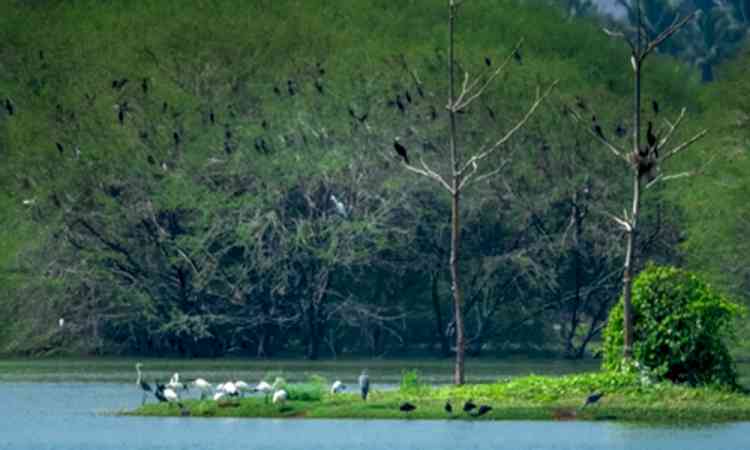
The National Green Tribunal (NGT) has directed the Jammu and Kashmir Pollution Control Committee (JKPCC) to submit a fresh report on the status of wetlands in the union territory, including their actual existing area and a comparison with their recorded revenue area.
 IANS
Nov 9, 2026 10:51
0
New Delhi, Nov 9 (IANS) The National Green Tribunal (NGT) has directed the Jammu and Kashmir Pollution Control Committee (JKPCC) to submit a fresh report on the status of wetlands in the union territory, including their actual existing area and a comparison with their recorded revenue area.
A Bench headed by NGT Chairperson Justice Prakash Shrivastava, and comprising Expert Members Dr A. Senthil Vel and Dr Afroz Ahmad, was hearing two matters concerning the protection of wetlands in Kashmir, including a suo motu case registered following a news report highlighting concerns over the disappearance and shrinking of lakes in Jammu and Kashmir.
The green tribunal took on record a status report filed by the JKPCC, which identified 27 wetlands measuring more than one hectare and situated outside forest areas.
However, the report was found to be incomplete as information from the Deputy Commissioners of Jammu and Kupwara districts was still awaited. The report disclosed that the JKPCC had sought details from the concerned district administrations regarding the revenue area of the wetlands, sources of pollution and the extent of encroachments.
The information received from the Deputy Commissioner of Baramulla stated that the wetland known as Rakh-i-Dastipora was not found to exist at the site, while the proprietary land in the estate was being used for paddy cultivation through Kamas.
In Kathua district, no source of pollution or encroachment was reported in the Janglote wetland. Similarly, no encroachment was reported in the wetlands surveyed in Samba district, although domestic effluent was identified as a source of pollution in Mawa Sar.
The pollution control body also placed before the NGT the findings of water quality analysis conducted at 19 locations across Jammu, Kathua, Samba, Kupwara and Baramulla. According to the report, all three samples collected from Jammu failed to meet the Class B primary water quality criteria for outdoor bathing.
In Samba, only two of the nine samples met the prescribed criteria, while four of the six wetlands tested in Kupwara failed to conform to the standards, mainly on account of high biochemical oxygen demand (BOD). The Rakh-i-Dastipora wetland in Baramulla also failed to meet the prescribed Class B criteria in respect of BOD and dissolved oxygen levels. However, the sample collected from the wetland in Kathua met the prescribed water quality standards.
The JKPCC further informed the green tribunal that it had written to its regional directors seeking identification of the persons, agencies or departments responsible for violations of environmental norms so that corrective and punitive action could be initiated.
During the hearing, the Member Secretary of the JKPCC submitted that an updated report would be filed after receiving the pending information from the Deputy Commissioners of Jammu and Kupwara.
Taking note of the report, the Justice Shrivastava-led Bench observed that the pollution control body had disclosed the revenue area of the identified wetlands but had failed to provide details of their actual existing area. “Therefore, the J&KPCC will obtain the details concerning the existing area of the wetland also and will give the comparative position of the revenue area and the existing area of the wetland,” the NGT ordered.
The green tribunal directed the JKPCC to file a fresh report incorporating the observations made by it at least one day before the next hearing. The matters have been listed for further hearing on February 26, 2027.
--IANS
pds/uk