Maha cabinet decides to waive stamp duty on purchase, sale of enemy property
The Maharashtra cabinet, chaired by Chief Minister Devendra Fadnavis, on Tuesday approved the waiver of stamp duty on the purchase and sale of enemy property at the time of initial registration.
 IANS
Jan 27, 2026 10:33
0
IANS
Jan 27, 2026 10:33
0
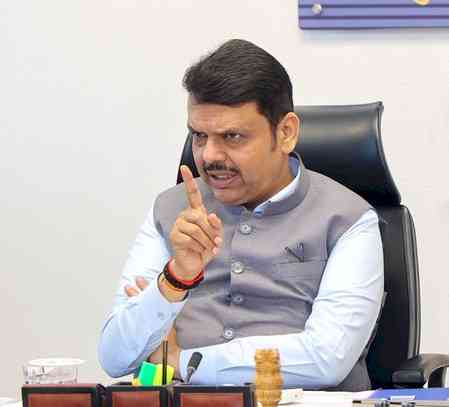
Mumbai, Jan 27 (IANS) The Maharashtra cabinet, chaired by Chief Minister Devendra Fadnavis, on Tuesday approved the waiver of stamp duty on the purchase and sale of enemy property at the time of initial registration.
The Custodian of Enemy Property of India (CEPI), under the control of the Home Department of the Central Government, preserves, manages and sells enemy property. The Custodian of Enemy Property Act, 1968, allows the sale of enemy property.
There are a total of 428 enemy properties in the state. They are as follows – Chhatrapati Sambhaji Nagar-2, Jalna-2, Mumbai-62, Mumbai Suburban-177, Nagpur-6, Palghar-77, Pune-4, Ratnagiri-11, Sindhudurg-1, Thane-86, said the government in a statement.
“These are the properties of citizens who left India during the war and migrated to enemy countries. CEPI conducts auctions to sell such properties. However, these auctions receive less response. If stamp duty is waived at the time of first registration of the property after issuing the sale certificate through CEPI, the cost of purchasing enemy properties will be reduced, and there will be a response to the purchase. Therefore, a proposal was submitted to the Revenue Department by CEPI to waive stamp duty on the purchase and sale of such properties. Accordingly, in the cabinet meeting held today, approval was given to waive stamp duty on the purchase and sale of enemy properties at the time of first registration,” said the government.
Further, the state cabinet also approved extending the lease period of government lands beyond 30 years. As per the provisions of the Maharashtra Land Revenue Code, 1966 and the Maharashtra Land Revenue (Disposal of Government Lands) Rules, 1971, government land is given on lease for various purposes for a period of 30 years. The Cabinet meeting held on Tuesday approved the extension of the lease period to 49 years.
“Government lands owned by various administrative departments or transferred to them by the Revenue Department for a specific purpose, as well as owned or transferred by the Corporations, Boards, Authorities under their jurisdiction, were being given on lease for 30 years to various institutions for various commercial purposes to increase the income of the Corporations, Boards, Authorities. Such lands can now be given on lease for a period of 30 years to various institutions for various commercial purposes, initially for a maximum period of 49 years and thereafter, if no terms and conditions are violated, the concerned department can renew this lease again for a period of 49 years, charging a suitable rent, as required,” said the government statement.
Also, the possible renewal of currently leased lands, increase in the ground rent of leased lands for a fixed period, and the ground rent amount will be deposited by the leaseholder to the government on a regular basis and will be properly monitored by the concerned District Collector's Office.
Moreover, the cabinet gave approval for the adoption of the Trade Platform -TReDS (Trade Receivables Discounting System) for clearing pending payments of micro, small and medium enterprises and contractors in the Public Works Department. All departments in the state should adopt the TReDS Platform. Each department should formulate a Standard Operating Procedure (SOP) according to its department's working methods and operational requirements. For this, a committee should be formed under the chairmanship of the Chief Secretary, instructed CM Fadnavis.
Trade Receivable Electronic Discounting System is a joint initiative of the Government of India and the Reserve Bank of India to promote financial inclusion, Make in India, Skill India, etc, to provide affordable and timely finance to micro, small and medium enterprises.
“This system will help in bringing consistency and transparency in the payment process in the Public Works Department. The system will provide access to the necessary working capital to the micro, small and medium enterprise contractors registered with the department. This will enable them to expand their operations, update technology and increase their competitiveness. It will help MSME contractors overcome working capital problems and complete contracts on time,” added the government statement.
After the successful implementation of this system, the next phase will be to connect the e-tendering and e-procurement portal with the TReDS platform. This will enable invoice submission, verification and discounting at a single place.
--IANS
sj/uk