“Leaders Standing Together Will Make Safe Schools a Reality,” Says Raja Iqbal Singh, Mayor, MCD, at National Summit on Safe Schools Leadership
The National Summit on Safe Schools Leadership, convened by the PHD Chamber of Commerce and Industry (PHDCCI), united top policymakers, school principals educators, safety experts, and community leaders to address the critical issue of child safety in India’s schools. The summit emphasized that the safety, security, and well-being of over 26 crore school-going children is a national priority tied to India’s vision for 2047.
 City Air News
Dec 10, 2025 06:07
0
City Air News
Dec 10, 2025 06:07
0
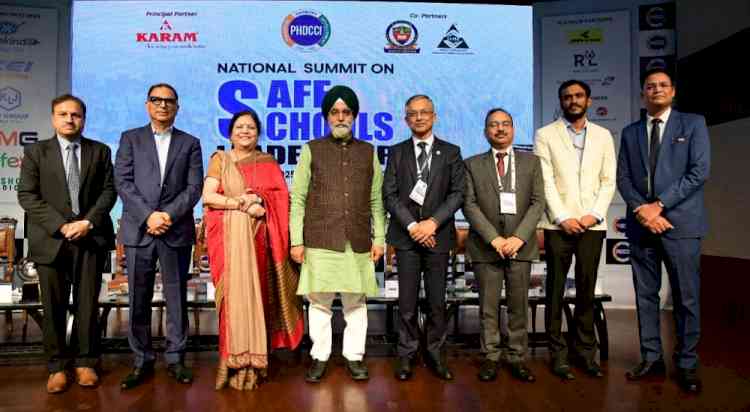
New Delhi, December 10, 2025: The National Summit on Safe Schools Leadership, convened by the PHD Chamber of Commerce and Industry (PHDCCI), united top policymakers, school principals educators, safety experts, and community leaders to address the critical issue of child safety in India’s schools. The summit emphasized that the safety, security, and well-being of over 26 crore school-going children is a national priority tied to India’s vision for 2047.
Raja Iqbal Singh, Mayor, MCD, underscored the importance of collaboration among government entities, school management, and community leaders to overcome challenges such as leadership vacancies. He said, “If leaders like us stand with you, whether it is the Delhi Government, Delhi Municipal Corporation, or any public school, then it will be easy for you to work.” Highlighting teachers as powerful role models, Singh stressed protecting children physically, emotionally, and digitally. Reflecting on tragic events including the Goa accident that claimed 25 lives, he called for fostering mental resilience and cultural values in children to build a safer and stronger society.
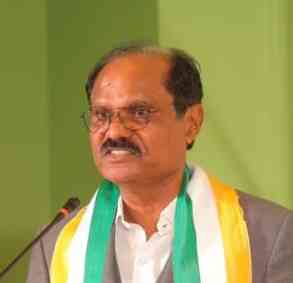
Rajendra Singh, Member & Head of Department (HoD), National Disaster Management Authority, emphasized that school safety transcends drills to include structural integrity, health, psychosocial support, cybersecurity, and transportation. He highlighted NDMA’s efforts such as the Delhi school safety program covering 2,082 schools in its initial phase, aiming to extend to over 5,000 schools across Delhi and Uttar Pradesh. Singh stressed a collaborative approach, involving “education, health, urban development, local authorities, and community volunteers,” calling safety a constitutional mandate echoed by the Supreme Court. He underlined the critical role of community-led initiatives like the ABDA Mitra program, which has trained 1 lakh volunteers to promote resilience at the grassroots.
Vivek Shrivastava, IPS, Former Director, Directorate General of Fire Services, Civil Defence and Home Guards, applauded PHDCCI’s expanded safety focus that includes fire prevention, mental health, cyber safety, and road safety education, advocating for these as integral parts of the school curriculum. He flagged emerging challenges from artificial intelligence, citing a US study showing over one-third of teenagers face psychological risks linked to AI, emphasizing that “safety must be ingrained into the spirit of every institution.” Shri Shrivastava called for public-private partnerships to promote safety literacy and foster student-led safety clubs.
Prof. Sridhar Srivastava, Professor, Educational Survey Division (ESD) & Dean (Coordination), NCERT, highlighted the alignment of school safety with the holistic aims of education under the National Education Policy 2020, ranging from rational thought and mental well-being to cultural pride and economic participation. He stressed creating safe, inclusive environments where children develop at their own pace without undue performance pressure. Prof. Srivastava praised NCERT’s UMMEED (Understand, Motivate, Manage, Empathize, Empower, Develop) and helpline services that support children and teachers in building mental health resilience.
Devendra Gill, Executive Director, DMRC, shared powerful anecdotes contrasting personal experiences of safety culture abroad with challenges faced by safety volunteers in India. He lamented difficulties in engaging schools despite the availability of trained volunteers and resources, underscoring the urgency to value life above all. Shri Gill emphasized the devastating cost of school tragedies in India and worldwide, emphasizing that “a stable table has six legs,” including community preparedness, infrastructure safety, emergency response, technology, and accessible leadership, to ensure resilient schools.
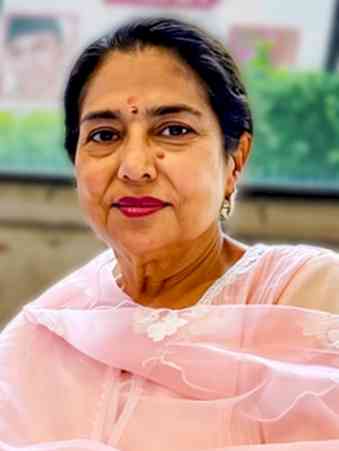
Dr. Usha Ram, Senior Educationist, framed schools as second homes where safety is foundational for nurturing trust, confidence, and growth. She broadened the concept of safe schools beyond infrastructure to emotional, mental, and digital safety. Urging leadership steeped in empathy and accountability, Dr. Ram urged the summit to drive measurable change so every child feels secure, valued, and empowered to dream freely.
Hemant Sapra, Chair, Safety & Fire Taskforce, PHDCCI, outlined urgency of embedding safety habits from childhood safety awareness from early childhood, noting, “In developed nations, children inherently learn how to protect themselves calmly and confidently.” He highlighted the cultural challenge in India, where fatalism often replaces proactive safety measures, advocating for embedding safety habits early to transform the nation into a safer place for all.
Dr. Jatinder Singh, Deputy Secretary General, PHDCCI, reiterated the summit’s three-legged approach, safe infrastructure, mental well-being, and transportation safety, as essential pillars that support child safety. He shared startling statistics from different reports: over 30% of Indian schools lack basic safety infrastructure; 1 in 7 children faces mental health challenges; and 6 to 8% of child deaths occur in school transport-related incidents. Dr. Singh described the summit as a call to action to implement innovative safety technologies and trauma-informed learning environments.
Rupesh Pandey, Senior Secretary, PHDCCI, spoke candidly from a parent’s perspective, expressing gratitude for the partnership with MCD leadership and education departments that shaped the summit. He reflected on the vital role of schools in nation-building and urged continued collaboration among all stakeholders. Shri Pandey affirmed that this summit is a beginning step toward sustained engagement, emphasizing that “we are building a nation through the safety and education of our children.”
The National Summit on Safe Schools Leadership reinforced a collective vision: India’s children deserve learning environments that are secure, inclusive, and nurturing- physically, emotionally, and digitally. Through unified action by governments, schools, families, and communities, the summit laid pathways to translate policies into practice, turning safe schools into a cornerstone of India’s development journey.