INDIA Bloc’s march to SC is ‘illegal’: Basavaraj Bommai
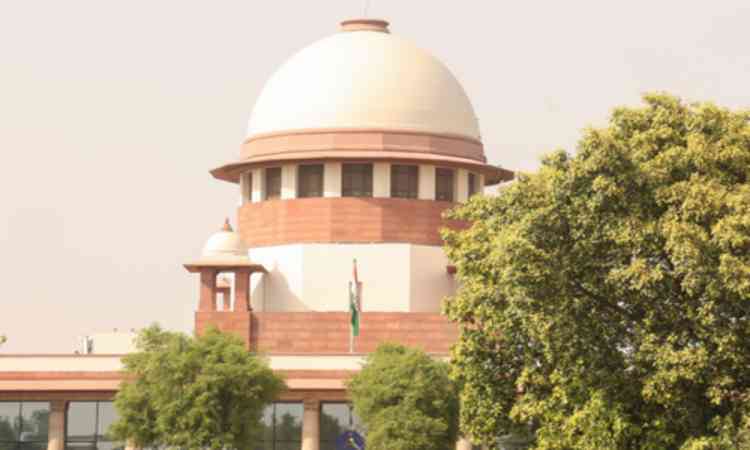
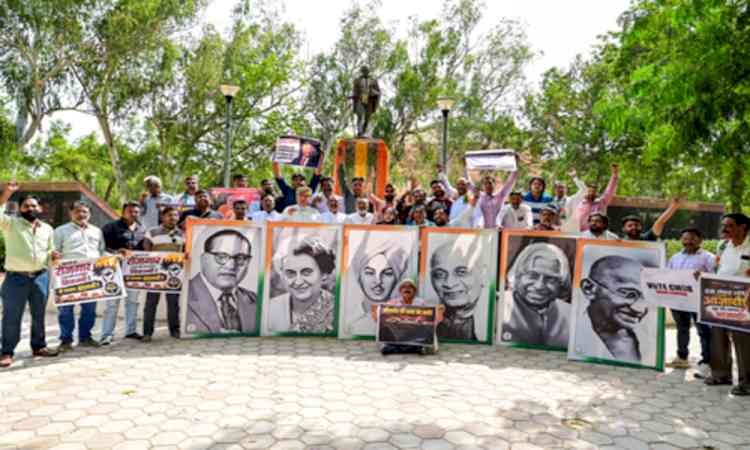
Member of Parliament Basavaraj Bommai has stated on Monday that the march to the Supreme Court by the Congress and its alliance parties to exert unnecessary pressure on the court is entirely “unconstitutional”, “illegal”, and “anti-democratic”.
 IANS
Oct 12, 2026 10:31
0
IANS
Oct 12, 2026 10:31
0
Bengaluru, Oct 12 (IANS) Member of Parliament Basavaraj Bommai has stated on Monday that the march to the Supreme Court by the Congress and its alliance parties to exert unnecessary pressure on the court is entirely “unconstitutional”, “illegal”, and “anti-democratic”.
In a press statement, he noted that cases regarding the CEC and SIR are already being heard in the Supreme Court, which delivers judgments based on truth, reality, and the law.
He expressed concern that exerting pressure on the Supreme Court with politically motivated and malicious intentions to create anarchy in the country feels like a first step toward inciting rebellion against the Supreme Court in the future.
He expressed deep regret that the Congress party, which has ruled for about 60 years, has stooped to such a low level. He appealed to all citizens of India to strongly oppose this with all their might.
Bommai has further stated that the Karnataka state government should file a writ petition in the Supreme Court challenging the Karnataka High Court's ruling that struck down the hike in SC/ST reservations. He warned that if the government fails to do so, they themselves will take the matter to the Supreme Court.
He noted that when their government increased the reservations, it was done based on the Justice Nagamohan Das committee report and after passing legislation in both houses of the state legislature.
He explained that the law was enacted because the Constitution allows for reservations to be provided to SC and ST communities based on their population, and in accordance with the recommendations of the Nagamohan Das report, rather than it being a mere administrative order.
He further stated that those who filed the Public Interest Litigation (PIL) did so out of opposition to the development of the SC and ST communities. The state government must definitely take this matter to the Supreme Court.
Citing examples of other states like Tamil Nadu and Chhattisgarh where reservations exceed 50 per cent, he emphasised that a writ petition must be filed in the Supreme Court using these precedents. He reiterated that if the state government does not file the petition, they will take it to the Supreme Court themselves.
--IANS
mka/dan