Haryana Basmati Farmers Need Faster Access to New Pesticide Technologies: CCSHAU Vice-Chancellor
Agricultural universities can play a key role in testing new technologies and training farmers in their safe use, says Prof. B.R. Kamboj
 City Air News
Nov 26, 2026 07:17
0
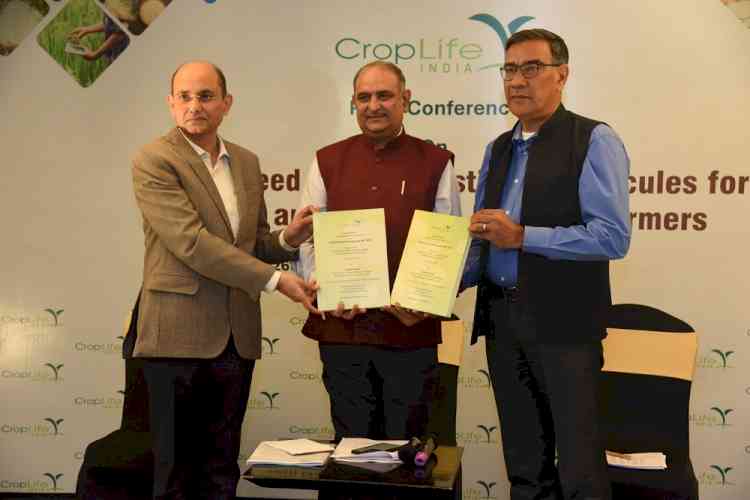
Chandigarh, November 26: Haryana’s basmati farmers need faster access to modern crop protection technologies to remain competitive in international markets, where pesticide residue standards are becoming increasingly stringent. Prof. B.R. Kamboj, Vice-Chancellor of Chaudhary Charan Singh Haryana Agricultural University (CCSHAU), Hisar, stressed the need for timely availability of new pesticide molecules to tackle emerging pests and crop diseases while meeting global export requirements.
He pointed out that Punjab and Haryana together contribute nearly 75 per cent of India’s total basmati production. Basmati is an important crop diversification option for Haryana farmers and a significant source of foreign exchange earnings. Europe has reduced the maximum residue limit for certain older chemicals to 0.01 mg per kg. In 2025, Europe rejected 52 consignments of Indian rice.
Prof. Kamboj said agricultural universities could play an important role in testing new crop protection technologies under local conditions and training farmers in their safe and appropriate use.
The issue was discussed at a seminar organised by CropLife India, which urged the Central Government to introduce five years of regulatory data protection for new pesticide molecules.
Rajvir Rathi, Vice Chairman, CropLife India, said companies invest Rs 40-50 crore and spend six to eight years on safety studies and registration of a new pesticide molecule. Durgesh Chandra, Secretary General, CropLife India, emphasised that a progressive regulatory framework was essential to encourage innovation, improve farm productivity and strengthen India’s agricultural export competitiveness.