Guest Lecture on ‘Safety, Consent and Self-Respect: Knowing Where to Draw the Line’
Women Empowerment Cell of PCM S.D. College for Women, Jalandhar Organises Guest Lecture on ‘Safety, Consent and Self-Respect: Knowing Where to Draw the Line’
 Rajat Kumar
Sep 16, 2026 09:03
0
Rajat Kumar
Sep 16, 2026 09:03
0
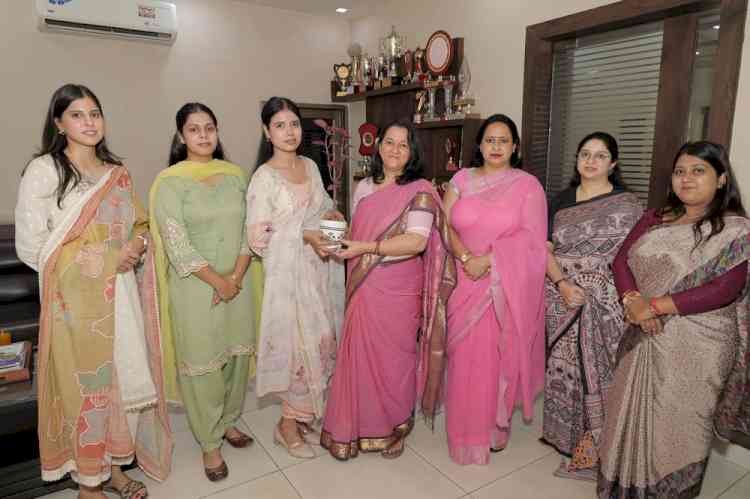
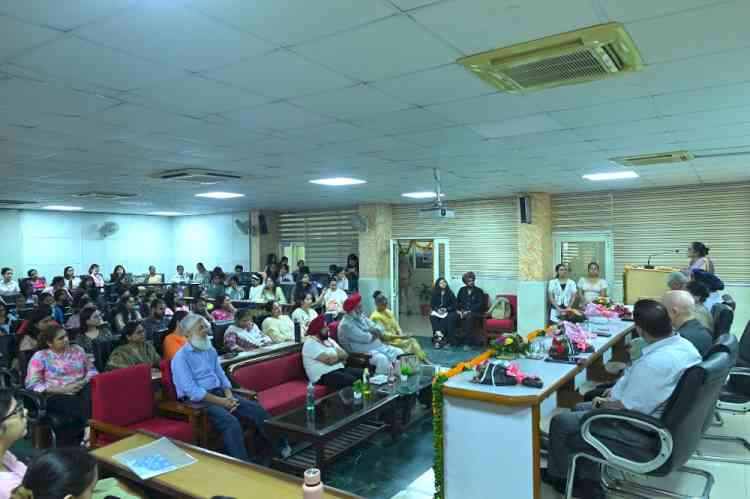
Jalandhar, September 16, 2026: The Women Empowerment Cell, in collaboration with Department of Psychology of PCM S.D. College for Women, Jalandhar, organised an insightful Guest Lecture on “Safety, Consent and Self-Respect: Knowing Where to Draw the Line”.
Organised in collaboration with Saanjh Rahat Kendra, the programme sought to sensitise students to issues of personal safety, consent, self-respect and the importance of recognising and asserting healthy boundaries.
The session brought together a distinguished team of professionals from Saanjh Rahat Kendra, whose experience in counselling and psychosocial support added considerable depth to the discussion. Harleen Kaur, Head Counsellor, Chandigarh-Mohali, the In-charge Counsellor, was part of the programme. She was accompanied by Tanveer Kaur, Counsellor, Saanjh Rahat Kendra, Civil Hospital, Jalandhar and Gursimran Kaur, Counsellor at the same centre.
The resource persons engaged the students in a meaningful dialogue on the significance of consent, bodily autonomy, personal boundaries and self-respect. The session underscored that safety is not merely the absence of danger but also the ability to recognise discomfort, communicate boundaries and seek timely support. The speakers sensitised the students to the importance of speaking up against behaviour that compromises their dignity or well-being and encouraged them to approach situations of distress with awareness, confidence and informed decision-making.
The counselling team also highlighted the range of support mechanisms available through Saanjh Rahat Kendra, including counselling and psychosocial support, crisis intervention, case assessment, safety planning, and appropriate coordination and referrals with medical, police and legal authorities whenever required. The students were made aware of the Saanjh Rahat Kendra, acquainting them with avenues through which women experiencing distress can access assistance and professional guidance.
The lecture transcended the conventional boundaries of a sensitisation programme by encouraging students to view self-respect as an active form of self-advocacy. The interaction provided a safe and informed space for reflection, enabling the students to understand that setting boundaries is not an act of confrontation but an assertion of dignity, agency and personal well-being. The programme thus strengthened the institution’s commitment to fostering a campus culture where awareness translates into confidence and empowerment translates into action.
The programme reflected the institution’s sustained commitment to women-centric initiatives that equip young women with awareness, resilience and the confidence to navigate challenging situations.