Focus on women’s economic empowerment, Umed to drive rural growth: Maha CM
The Maharashtra Government is actively working through various initiatives to bring rural women into the mainstream of agriculture, business and entrepreneurship, going beyond self‑help groups (SHGs). After a comprehensive review, Chief Minister Devendra Fadnavis on Wednesday highlighted that the Maharashtra State Rural Livelihoods Mission (MSRLM), widely known as ‘Umed’, is successfully driving empowerment across rural areas.
 IANS
Aug 26, 2026 11:51
0
IANS
Aug 26, 2026 11:51
0
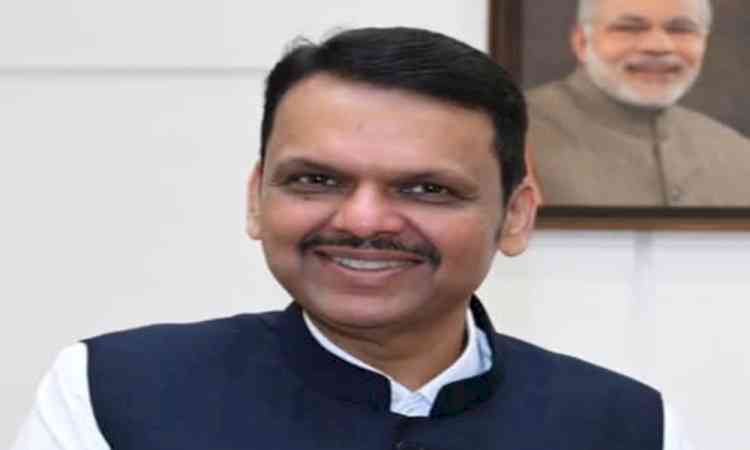
Mumbai, Aug 26 (IANS) The Maharashtra Government is actively working through various initiatives to bring rural women into the mainstream of agriculture, business and entrepreneurship, going beyond self‑help groups (SHGs). After a comprehensive review, Chief Minister Devendra Fadnavis on Wednesday highlighted that the Maharashtra State Rural Livelihoods Mission (MSRLM), widely known as ‘Umed’, is successfully driving empowerment across rural areas.
He said modern agricultural technology, easy access to farm inputs and diverse business opportunities are delivering sustainable livelihoods to rural women and setting their financial independence on a new trajectory.
Under the Umed campaign, Agricultural Equipment Banks and Agricultural Input Centres are being actively implemented. The primary objective of the Equipment Bank is to allow smallholder women farmers to rent expensive modern farm machinery at affordable rates, rather than buying it outright.
During the 2024–25 and 2025–26 fiscal years, 408 Agricultural Equipment Banks were established across 351 talukas in 34 districts of Maharashtra, directly benefiting approximately 40,800 women farmers. These banks house farming implements and tractor rental facilities. Managed by SHGs, Village Organisations (VOs), Cluster Level Federations (CLFs) and Women Farmer Producer Companies (FPCs), they are evolving into community‑owned agricultural service hubs.
By removing the need to buy expensive farm tools upfront, women farmers' capital expenses have dropped. Essential operations such as sowing, weeding and harvesting can now be completed on time using modern machinery, boosting efficiency. Renting out machinery also generates revenue for community organisations, while managing and transporting tools creates local employment.
“The Umed campaign has opened new doors for women in the agricultural supply chain. In Maharashtra, 54 Women Farmer Producer Companies hold commercial licences for seed and fertiliser sales, serving nearly 54,000 women members. By consolidating demand, these FPCs make bulk purchases of high‑quality inputs, ensuring timely deliveries at reasonable prices,” Fadnavis noted.
According to him, Umed’s empowerment strategy extends beyond agriculture into diverse ventures. Through SHGs, rural women are now running fair‑price ration shops, cement dealerships, brick manufacturing units, kerosene agencies and tile manufacturing plants.
Through Umed, rural women are transitioning beyond savings and credit circles toward entrepreneurship. With institutional backing for business management, financial inclusion and market connectivity, women are gaining greater decision‑making authority and financial autonomy. Localised employment and income options are boosting family earnings while providing essential goods and services locally.
By unifying SHGs, modern technologies and structural support for entrepreneurship, the Umed initiative is empowering rural women and rebuilding the economic foundation of Maharashtra’s villages. From mechanised farming to enterprise management, women’s rising participation is shaping the new economic narrative of rural Maharashtra, the Chief Minister concluded.
--IANS
sj/dan