Don’t Panic over Swine Flu, Stay Alert: UHSR VC Dr. Aggarwal; PGIMS Rohtak fully geared up to tackle H1N1 cases
With seasonal flu cases expected to rise amid changing weather, UHSR Vice Chancellor Dr HK Aggarwal has urged people not to panic over swine flu but to remain vigilant. He said PGIMS Rohtak is fully prepared to manage suspected and confirmed H1N1 cases, with a focus on prevention, timely diagnosis and public awareness.
 City Air News
Aug 29, 2026 06:36
0
City Air News
Aug 29, 2026 06:36
0
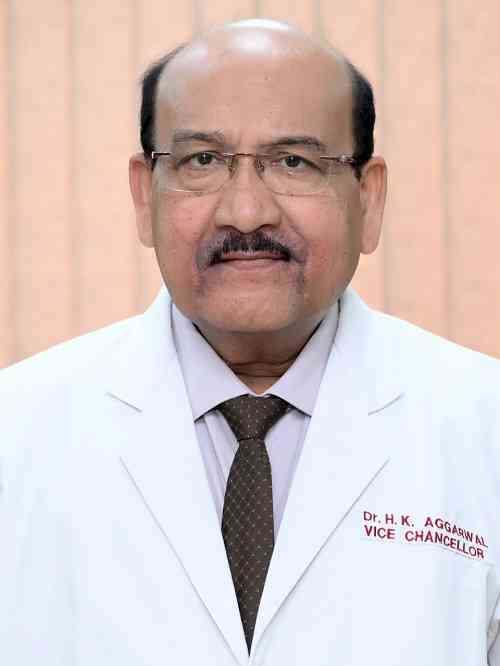
Rohtak, August 29, 2026: With seasonal flu cases expected to rise amid changing weather, UHSR Vice Chancellor Dr HK Aggarwal has urged people not to panic over swine flu but to remain vigilant. He said PGIMS Rohtak is fully prepared to manage suspected and confirmed H1N1 cases, with a focus on prevention, timely diagnosis and public awareness.
Dr Aggarwal said preparedness was reviewed at a high-level meeting chaired by PGIMS Director Dr Suresh Kumar Singhal. Medical Superintendent Dr Kundan Mittal and heads of Medicine, Microbiology, Community Medicine, Hospital Administration and Anatomy departments, besides the Nursing Superintendent, attended the meeting.
As part of the preparedness plan, three rooms in Ward No. 24 have been reserved as isolation beds, while a separate flu clinic is being started in the ENT department for patients reporting with fever, cold and cough. Testing will be carried out for five per cent of patients with influenza-like illness (ILI) and all cases of severe acute respiratory infection (SARI).
The hospital has adequate stocks of Tamiflu, while urgent local procurement of N-95 masks has also been initiated. Advisories for healthcare workers and public awareness campaigns will be undertaken to strengthen preventive measures.
H1N1: Know the Symptoms
Senior Medicine specialist Dr Mohini said swine flu is not a new disease but seasonal influenza caused by the H1N1 strain of Influenza A virus. It spreads mainly through droplets released during coughing and sneezing and can be treated at PGIMS.
Common symptoms include sudden high fever, sore throat, persistent cough, runny or blocked nose, sneezing, body ache, fatigue, headache and loss of appetite. Vomiting, nausea and diarrhoea may also occur in some patients.
People should seek medical advice if fever persists for more than two-three days or if breathing difficulty develops. Children, elderly people, pregnant women and those with diabetes, hypertension, asthma, heart disease or weakened immunity need to take extra precautions.
VC Dr Aggarwal advised people to wear masks in crowded places, wash hands frequently, cover their mouth while coughing or sneezing and maintain physical distance. He also urged people to take nutritious food and adequate fluids and avoid antibiotics without medical advice.
He said Tamiflu, when prescribed by a doctor, can be most effective when started within the first 48 hours of illness. PGIMS has facilities for testing, treatment and ICU care for critically ill patients. He appealed to people to ignore rumours and report to the flu clinic promptly if symptoms develop.