Democracy is in India's DNA; elections only way to change power: Pralhad Joshi
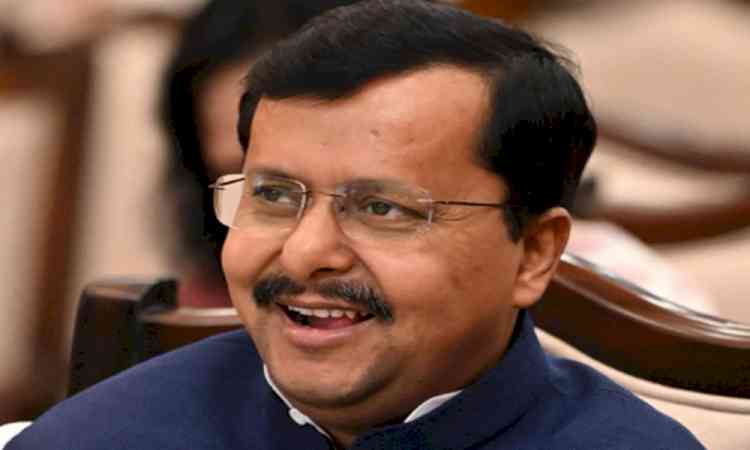
Union Minister Pralhad Joshi on Saturday asserted that elections are the only constitutional and democratic means of changing governments in India, alleging that Leader of Opposition Rahul Gandhi and some of his aides are openly advocating "regime change".
 IANS
Oct 31, 2026 10:16
0
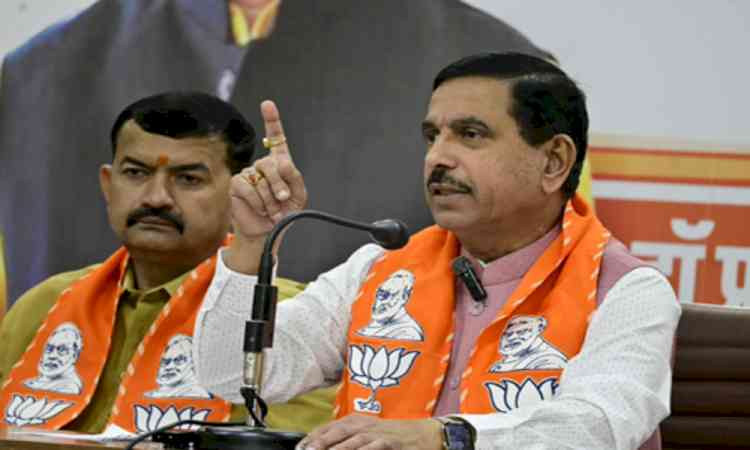
Jaipur, Oct 31 (IANS) Union Minister Pralhad Joshi on Saturday asserted that elections are the only constitutional and democratic means of changing governments in India, alleging that Leader of Opposition Rahul Gandhi and some of his aides are openly advocating "regime change".
Joshi said that Rahul Gandhi had cited the youth of Bangladesh as an inspiration and referred to the change of government there.
Questioning this comparison, the Union Minister asked what kind of regime change the Congress leader was advocating.
He said that the change of power in Bangladesh had taken place amid violence, and reports of atrocities against Hindus and killings were now emerging from the neighbouring country.
"Does the Congress want a similar situation in India?" he asked, asserting that democracy is deeply embedded in the country's DNA, traditions and values.
He said the people of India are fully capable of choosing their government through the ballot.
The Union Minister said a Special Summary Revision (SSR) of electoral rolls had been conducted 12 times in the country, 10 of them during the Congress rule.
"The Congress had never raised objections to the exercise in the past, but was now opposing it out of political desperation," he alleged.
Explaining the purpose of the electoral roll revision, Joshi said it was aimed at making electoral rolls accurate, transparent and free from errors.
He added that names often remain on voter lists despite the death of individuals, permanent relocation, prolonged absence or duplicate entries.
Referring to around 13 crore names currently under scrutiny, the Union Minister said the data included around 2.8 crore deceased voters, 6.3 crore people who had permanently shifted and three crore voters who were absent or untraceable.
He added that names of people who no longer lived at their registered addresses should not remain on the electoral rolls.
However, he clarified that any eligible Indian citizen whose name was missing could get it included by submitting Form-6.
"In Rajasthan, information had also emerged about the addition of around 13 lakh new voters to the electoral rolls."
Joshi termed Rahul Gandhi's demand to retain electoral rolls in their pre-revision form unreasonable.
Taking a jibe at the Congress leader, the Union Minister said that if he (Rahul Gandhi) wanted the names of deceased voters to remain on the voter lists, he should first bring those people back.
He also alleged that the Congress was seeking to include the names of infiltrators in electoral rolls in the hope of gaining political support by promising them various facilities.
Citing the example of Karnataka, Joshi said the Congress failed to win even a single seat in the MLC elections held for four seats, despite allegedly using the state government's official machinery.
At the national level, he said, the Congress won only one of the 28 seats contested in these elections, which were held using ballot papers, while the BJP secured 15.
He added that the Congress continued to question EVMs and the electoral process whenever it faced electoral defeat.
"The Congress had also lost local body elections conducted through ballot papers in states such as Tripura and Assam," he said.
Joshi alleged that instead of accepting its electoral setbacks, the Congress was questioning the credibility of constitutional institutions, including the Judiciary, the Lok Sabha Speaker, the Rajya Sabha Chairman and the Election Commission of India.
He said the Congress praised the Judiciary when court judgments went in its favour but questioned the judicial system when decisions went against it.
The Congress, Joshi said, must clarify whether it genuinely had faith in the country's democratic framework and constitutional institutions.
Before questioning the impartiality of the Election Commission, Union Minister Joshi advised the Congress to examine its own history.
He referred to the appointment of Navin Chawla as an Election Commissioner, saying that the then Chief Election Commissioner, Gopalaswami, had written to the President expressing objections to the appointment.
Chawla subsequently became the Chief Election Commissioner, he said.
He also cited the example of M.S. Gill, who became a Minister in a Congress-led government after serving as Chief Election Commissioner, and T.N. Seshan, who later entered politics and contested an election from Gandhinagar.
Joshi also recalled the Emergency, alleging that the then Congress government interfered with judicial independence and overlooked the seniority of judges while appointing the Chief Justice of India.
He said the Union government led by Prime Minister Narendra Modi was committed to strengthening the independence, impartiality and transparency of constitutional institutions.
The increased use of technology, he added, had improved transparency and accountability across various processes.
Joshi also accused the Congress of targeting India's economic achievements.
He said that while several major global economies were facing challenges, India continued to demonstrate strong economic growth.
India registered economic growth of 7.8 per cent in the first quarter, he said, adding that projections by institutions such as the International Monetary Fund (IMF) and Moody's also reflected confidence in the country's economic prospects.
Highlighting the growth of the startup ecosystem, Joshi said that India had around 260 startups in 2014, compared with more than 2.4 lakh today.
These ventures have generated employment for more than 20 lakh people, he added.
He said that infrastructure development was accelerating and the manufacturing sector was becoming stronger.
"Despite global economic uncertainties, India remained one of the fastest-growing major economies in the world."
Joshi attributed this progress to the hard work and collective determination of the country's 140 crore people, along with the leadership of Prime Minister Narendra Modi.
--IANS
arc/khz