Chhath Puja Day 2: Devotees observe day-long fast on Kharna today, prepare for 36-hour 'nirjala vrat'
Devotees across Bihar and other parts of the country will observe Kharna, also known as Lohanda, on Saturday, marking the second day of the four-day Chhath festival. The day is observed with a strict fast, traditional food preparations and evening prayers. Devotees prepare jaggery-based 'kheer' and 'roti' as 'prasad' and offer them to the Sun God and Chhathi Maiya before consuming the sacred food. The ritual marks the beginning of the challenging 36-hour fast without food or water.
 IANS
Nov 14, 2026 11:54
0
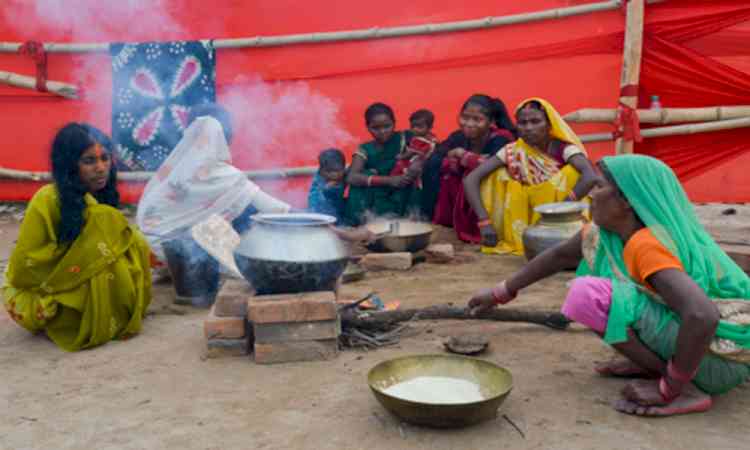
New Delhi, Nov 14 (IANS) Devotees across Bihar and other parts of the country will observe Kharna, also known as Lohanda, on Saturday, marking the second day of the four-day Chhath festival. The day is observed with a strict fast, traditional food preparations and evening prayers. Devotees prepare jaggery-based 'kheer' and 'roti' as 'prasad' and offer them to the Sun God and Chhathi Maiya before consuming the sacred food. The ritual marks the beginning of the challenging 36-hour fast without food or water.
On the occasion, devotees observe a day-long fast and take a ritual bath before preparing the offerings in the evening. The traditional Kharna prasad includes 'kheer' made from jaggery and newly harvested rice, along with 'roti', fruits and other seasonal offerings. The food is generally prepared with great care, maintaining cleanliness and religious purity.
After performing the evening prayers and offering the prasad to the deities, the devotees, known as 'vratis', consume the food and distribute it among family members and others. The ritual is considered an important part of Chhath Puja, which devotees observe with prayers for the health, happiness and prosperity of their families, particularly the well-being of their children. Many also seek blessings for a healthy life and success in different aspects of life.
Kharna holds special religious significance as it prepares devotees for the most demanding phase of the festival. After consuming the 'prasad', they begin the 36-hour 'nirjala' fast, during which they abstain from both food and water. The fast continues until the completion of the final morning worship on the fourth day.
A distinctive feature of Kharna 'prasad' is the use of jaggery instead of refined sugar. In traditional Hindu practices, jaggery is regarded as a natural and 'sattvic' ingredient and is preferred for religious offerings. Prepared from sugarcane juice, it is valued for its traditional association with purity and naturalness.
The 'kheer' is usually cooked in a new earthen pot over a traditional earthen stove, reflecting the festival's close connection with nature and age-old customs.
Devotees believe that preparing the offerings with natural ingredients and maintaining complete devotion and cleanliness pleases Chhathi Maiya and the Sun God. The age-old tradition of preparing jaggery-based 'kheer' on Kharna continues to be followed with deep faith across households.
The four-day Chhath festival, being observed from November 13 to 16 this year, will proceed with the main worship rituals over the next two days.
On the third day, devotees will observe Sandhya Arghya, gathering at riverbanks, ponds and other water bodies to offer prayers and 'prasad' to the setting Sun. On the final day, November 16, they will perform Usha Arghya before sunrise, offering prayers to the rising Sun. The festival will conclude with Parana, when devotees formally break their 36-hour fast after completing the morning rituals.
--IANS
jk/rad