Centre for Human Rights and Duties Organises Workshop on “Resilient Minds: Positivity for Mental Wellness”
The Centre for Human Rights and Duties (CHRD), Panjab University, Chandigarh, organised an interactive workshop on “Resilient Minds: Positivity for Mental Wellness”. The workshop focused on nurturing positive thinking, emotional balance and inner strength, while encouraging participants to pause, reflect and develop healthier ways of responding to life’s challenges.
 City Air News
Sep 30, 2026 11:42
0
City Air News
Sep 30, 2026 11:42
0
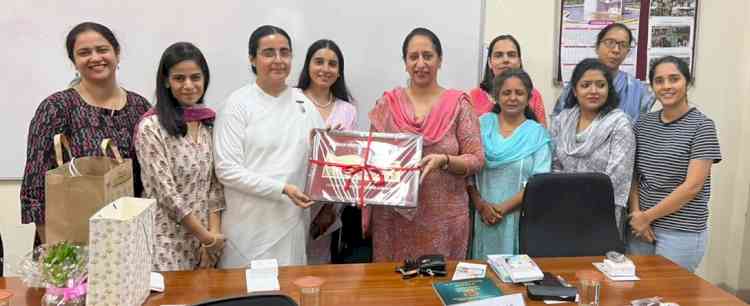
Chandigarh, 30 September 2026: The Centre for Human Rights and Duties (CHRD), Panjab University, Chandigarh, organised an interactive workshop on “Resilient Minds: Positivity for Mental Wellness”. The workshop focused on nurturing positive thinking, emotional balance and inner strength, while encouraging participants to pause, reflect and develop healthier ways of responding to life’s challenges.
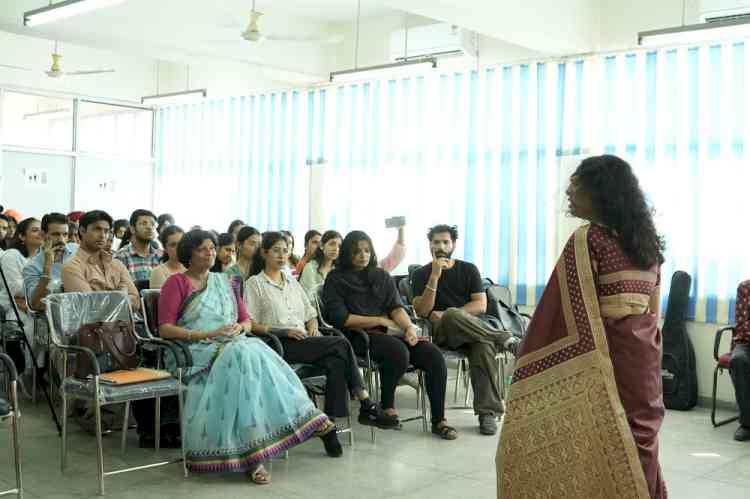
The session was facilitated by BK Preeti Didi, Rajyoga Teacher from Brahma Kumaris World Spiritual University – An International NGO accredited with United Nations (UN) ECOSOC Consultative Status. Through an engaging and reflective interaction, participants explored the role of positive thinking, self-awareness and inner resilience in maintaining mental and emotional well-being.
Dr. Upneet Kaur Mangat, Chairperson, Centre for Human Rights and Duties, Panjab Universityemphasised the importance of creating supportive and reflective spaces within educational institutions where students can develop emotional resilience and positive coping mechanisms. She highlighted that mental well-being is closely connected with the ability to deal constructively with failure, interpersonal challenges and negative emotions.
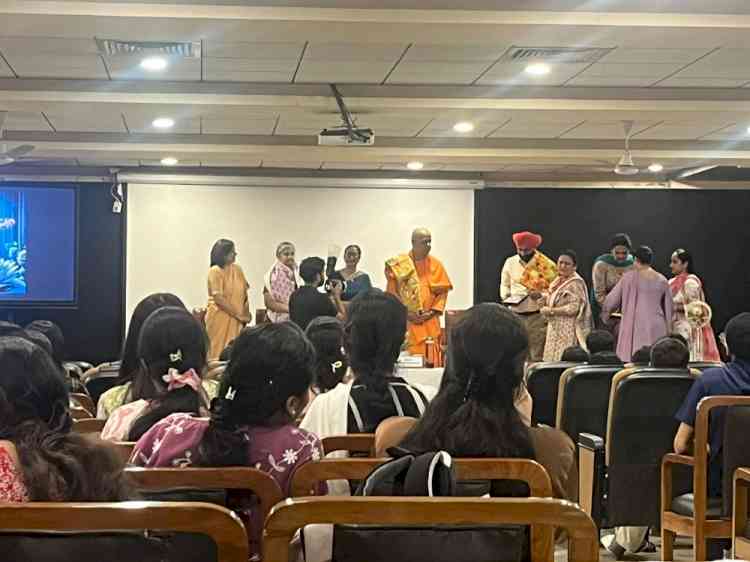
Prof. Namita Gupta, Dean Student Welfare, Panjab University, graced the occasion with her presence, lending her support to the initiative and underscoring the significance of student well-being and holistic development within the university environment.
A central theme of the workshop was the transformation of negative emotions through unconditional love and spiritual awareness. Participants were encouraged to sublimate the energy of hate by cultivating love and compassion, rather than allowing resentment to determine their responses.
The facilitator also emphasised the importance of learning from failure. Rather than viewing failure solely as a setback, participants were encouraged to reflect upon their experiences, identify lessons and use them as opportunities for personal growth and resilience.
Another significant takeaway was the practice of radiating blessings and positive thoughts even towards those who insult or hurt us. The approach highlighted the importance of emotional self-regulation and choosing constructive responses instead of reacting impulsively to negativity.
The workshop adopted the three-fold approach of “Pause • Reflect • Rebalance”, encouraging participants to create space for reflection before responding to difficult situations. The discussions highlighted how emotional balance and inner strength can contribute to healthier interpersonal relationships and a more positive institutional environment.
The workshop concluded with a renewed emphasis on the need to create spaces within educational institutions where students and members of the academic community can pause, reflect, reconnect and develop emotional resilience. The session reinforced the understanding that mental wellness involves not only addressing distress but also cultivating positive thinking, emotional balance, compassion and inner strength.